
This post may contain affiliate links. Please read our disclosure policy.
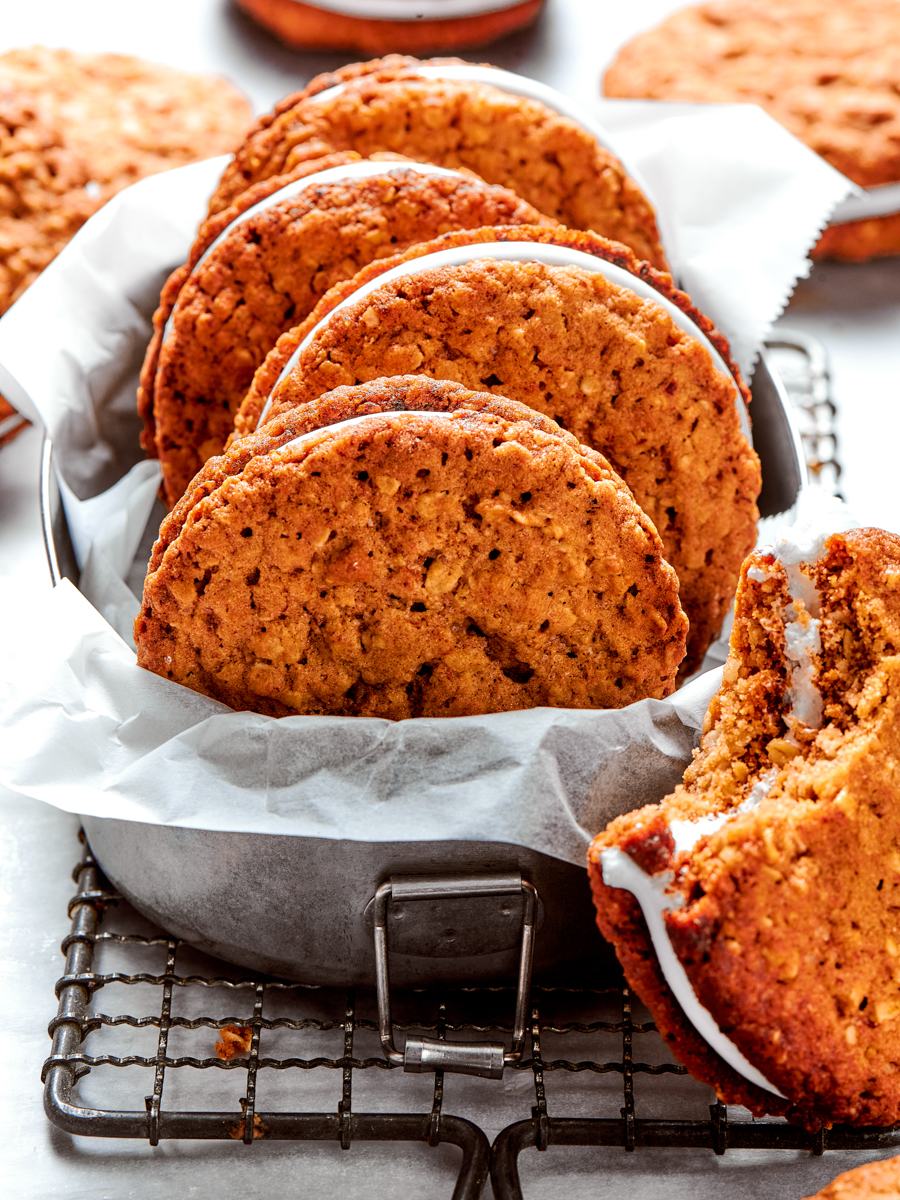
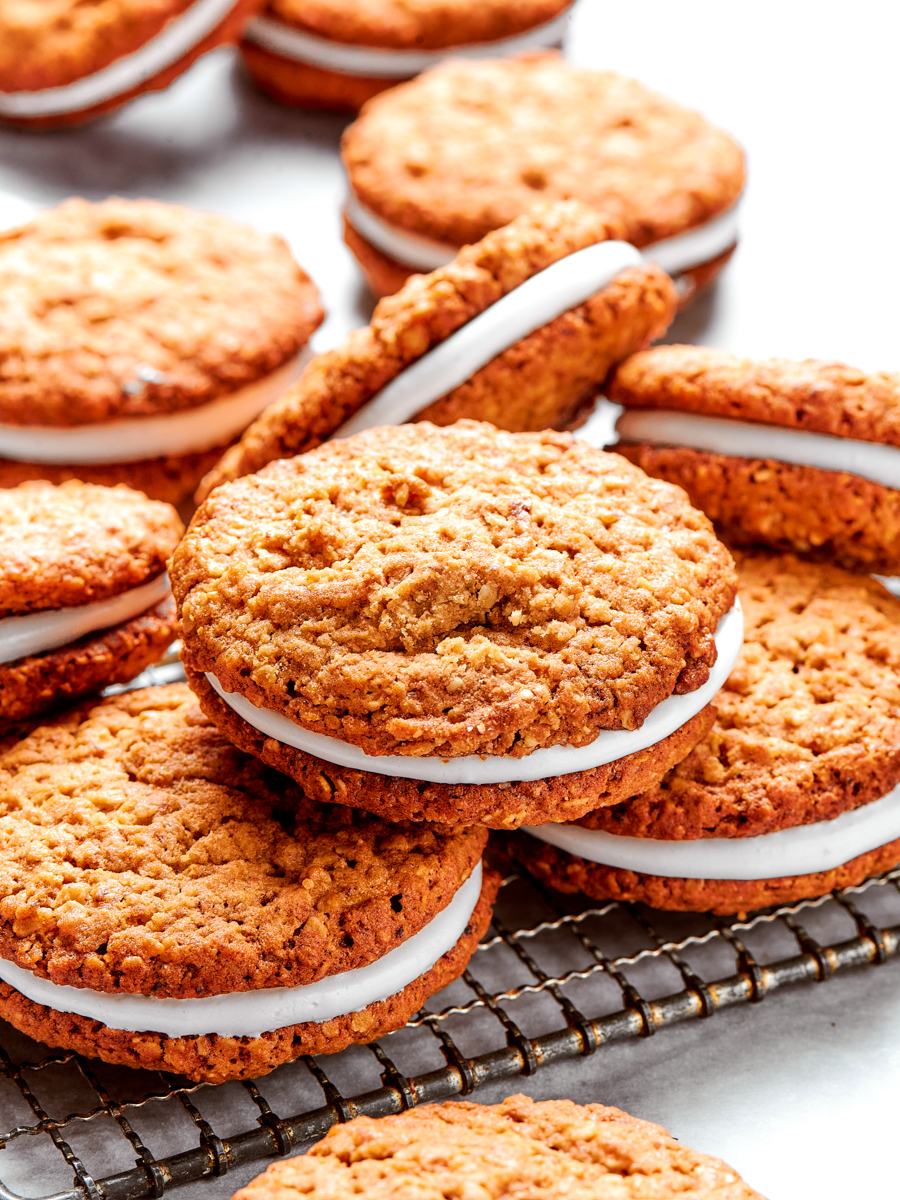
Oatmeal cream pies made from scratch have a depth of flavor that the classic packaged version simply cannot match. Raisin paste and dark brown sugar work together to keep the cookies soft, chewy, and full of warm spice in every bite.

A Quick Look At The Recipe
This is a brief summary of the recipe. Jump to the recipe to get the full details.
Jump to RecipePrep Time
30 minutes
Cook Time
16 minutes
Cooling Time
30 minutes
Total Time
1 hour 16 minutes
Servings
10 oatmeal cream pies
Difficulty
Intermediate
Calories *
513 kcal per serving
Technique
Make raisin paste, make dough, divide, bake, chill and assemble!
Flavor Profile
Chewy oatmeal, warm spices, deep molasses, buttery richness.
* Based on nutrition panel
I was excited to use my new immersion blender to make the raisin paste! It adds this deep, almost caramel-like flavor. The cookies stayed soft for days, and the marshmallow filling held up perfectly without getting sticky. My family demolished the whole batch in one afternoon. ⭐⭐⭐⭐⭐
Rachel
Why This Recipe Works
- Raisin paste adds moisture and depth without making the cookies cakey. Blending raisins into a smooth paste works the natural sugars and pectin into the dough, keeping the cookies chewy for days and developing a subtle, almost molasses-like richness that dried raisins alone cannot deliver.
- The creaming method gives the cookies structure and the right amount of spread. Properly creaming butter and sugar aerates the dough just enough to produce a thin, chewy cookie with slightly crisp edges rather than a thick, puffy one. These are Oatmeal Cream Pies the way they are supposed to be!
- Dark brown sugar deepens the flavor in a way light brown sugar cannot match. The higher molasses content in dark brown sugar intensifies the warm spice notes and gives the finished cookie that distinctively deep, almost caramel-like flavor. If you only have light brown sugar, it is a workable swap.
- Marshmallow fluff filling that holds its shape. I use original Marshmallow Fluff because it actually contains egg whites, just like homemade marshmallow fluff.
Table of Contents
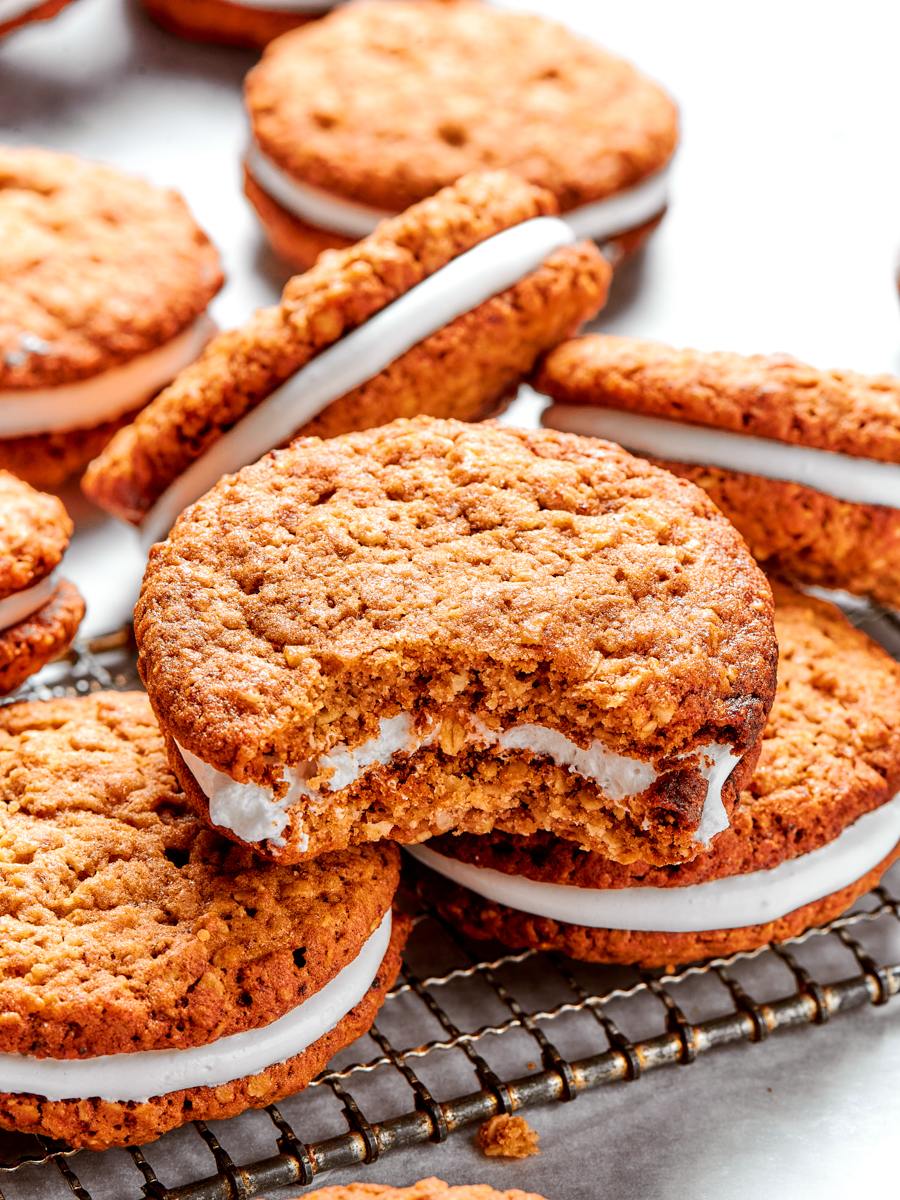
These oatmeal cream pies capture all the nostalgia and texture of a Little Debbie treat, but with so much more flavor. Real butter gives these cookies a complexity and richness that oil just can’t deliver. If you grew up loving the original, you’re going to fall head over heels for this homemade version.
Expect a thin, chewy oatmeal cookie with notes of molasses, warm spice, and real butter, sandwiched with a cloud of marshmallow fluff that softens beautifully as it sits. The raisin paste used here makes enough for three batches, so the leftover paste is worth keeping around for stirring into energy bites or these gluten free pumpkin bars.
Ingredients & Substitutions
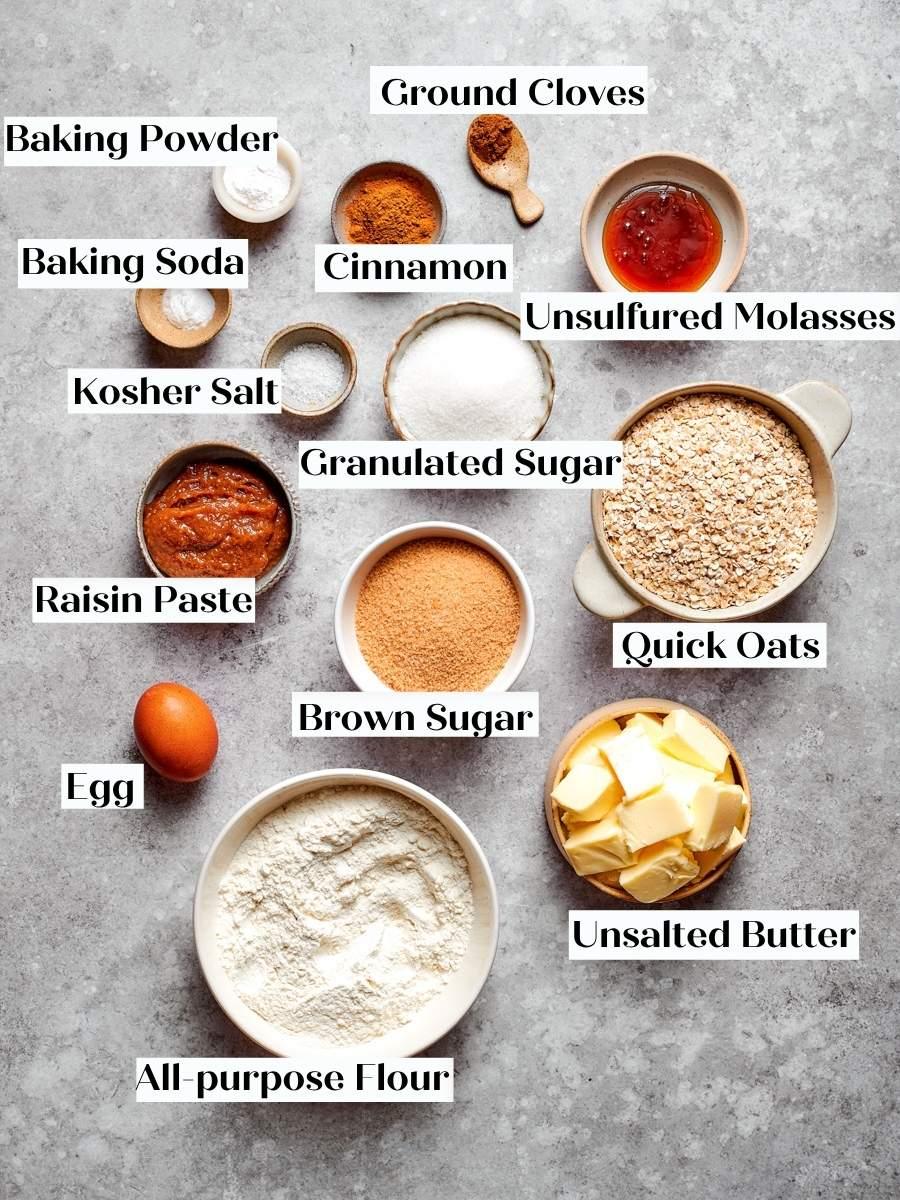
- Dark Brown Sugar: The higher molasses content in dark brown sugar intensifies the warm spice notes and keeps the cookies soft for days, which matters when they need to hold up around a marshmallow filling. Light brown sugar is the one substitution I condone if that is all you have.
- Unsulfured Molasses: Molasses deepens the chew and gives the cookies their characteristic dark color and rich, almost toffee-like flavor. Unsulfured specifically matters here because the sulfured variety brings a harsh, bitter edge that competes with the spices.
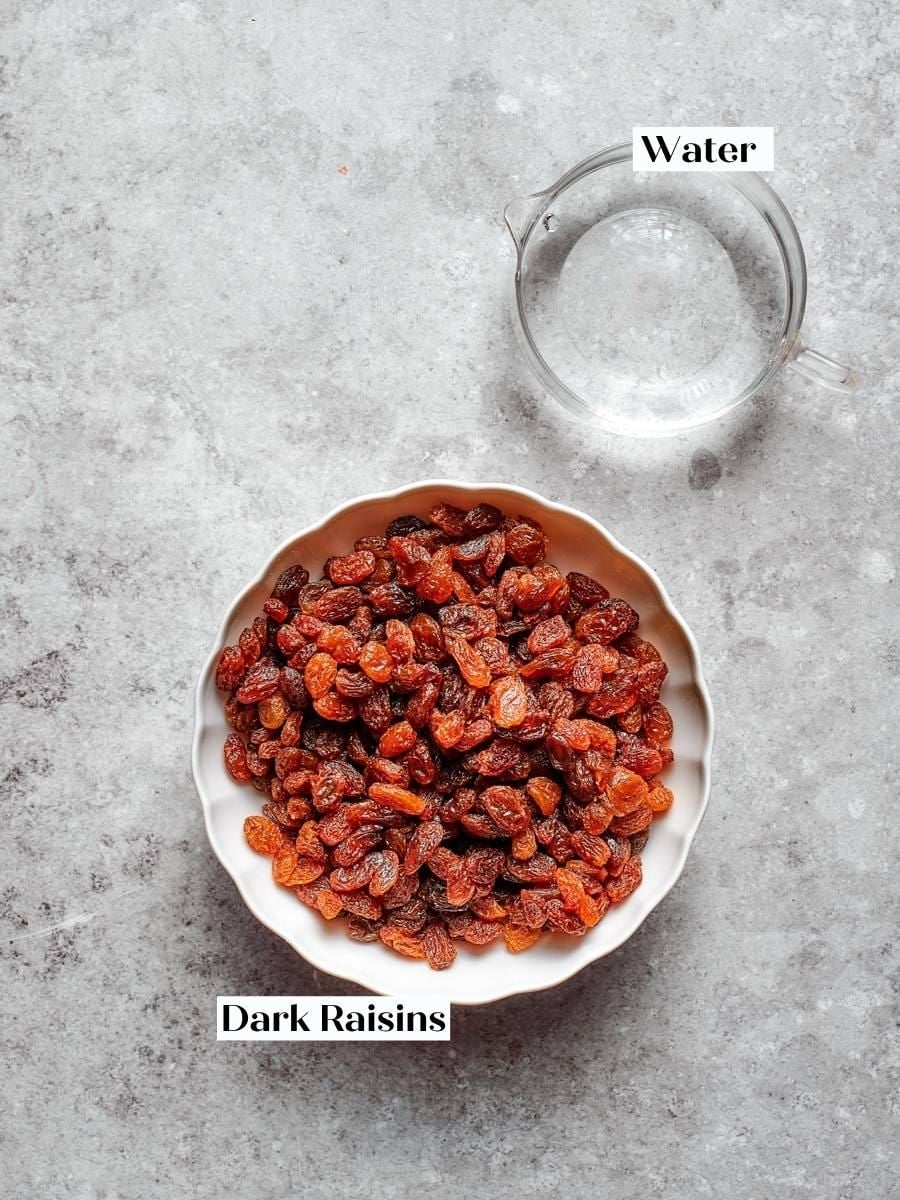
- Raisin Paste: The paste disperses moisture and sweetness evenly throughout the dough, keeping every cookie uniform and soft. The recipe makes enough for three batches, so store the remainder in the refrigerator and use it anywhere you would use date paste, like in energy bites.
- Quick Oats: Quick oats hydrate faster and disperse more evenly than old-fashioned oats, giving a softer, uniform chew without large, tough flakes. Using old-fashioned oats would produce a chewier, rougher texture that does not sandwich as cleanly save those for this carmelita recipe.
- Baking Powder and Baking Soda: Baking powder provides most of the lift, creating a soft and bendable crumb rather than a dense, flat one. The small amount of baking soda works with the molasses and brown sugar to enhance spread and deepen browning.
- Ground Cinnamon and Ground Cloves: Cinnamon is the dominant spice and gives the cookies their classic warm personality. Cloves add depth and a slightly herbal warmth that elevates the flavor, but measure carefully because they are potent and too much will turn medicinal.
- Marshmallow Fluff: Marshmallow fluff creates a sweet, stable filling that mimics the classic cream center without weeping or collapsing. I use original store-bought Marshmallow Fluff because it contains egg whites, just like homemade marshmallow fluff, which gives it the structure to hold up between soft cookies. If you use homemade fluff, do not keep the assembled pies at room temperature for more than 3 days, as it will start to weep before the store-bought version does.
See the recipe card for full information on ingredients and quantities.
Variations on This Oatmeal Cream Pie
- Change the filling. The marshmallow fluff is doing specific structural work here, so swapping it changes the filling considerably. A Cream Cheese Buttercream Frosting or my [ermine frosting recipe] would be a natural alternative if you want something tangier and more stable for piping, and it pairs well with the warm spice and molasses notes in the cookie. That said, nothing replicates the exact cloud-like chew of the original without the fluff.
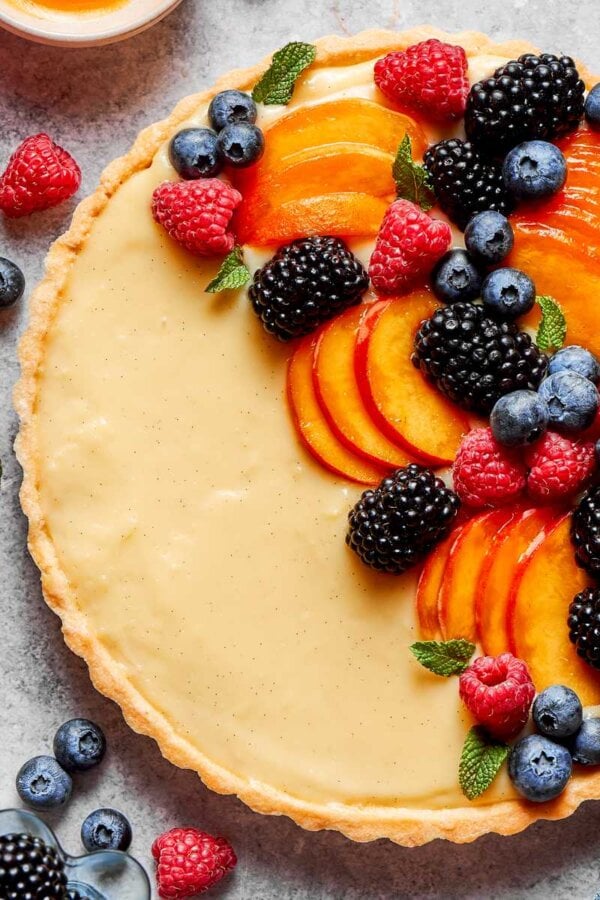
- Apple-Filled Oatmeal Cream Pies. The warm spice and molasses notes in these cookies would pair naturally with a thin layer of apple pie filling alongside the marshmallow fluff, similar to what makes this Caramel Apple Tart so satisfying as a fall dessert.
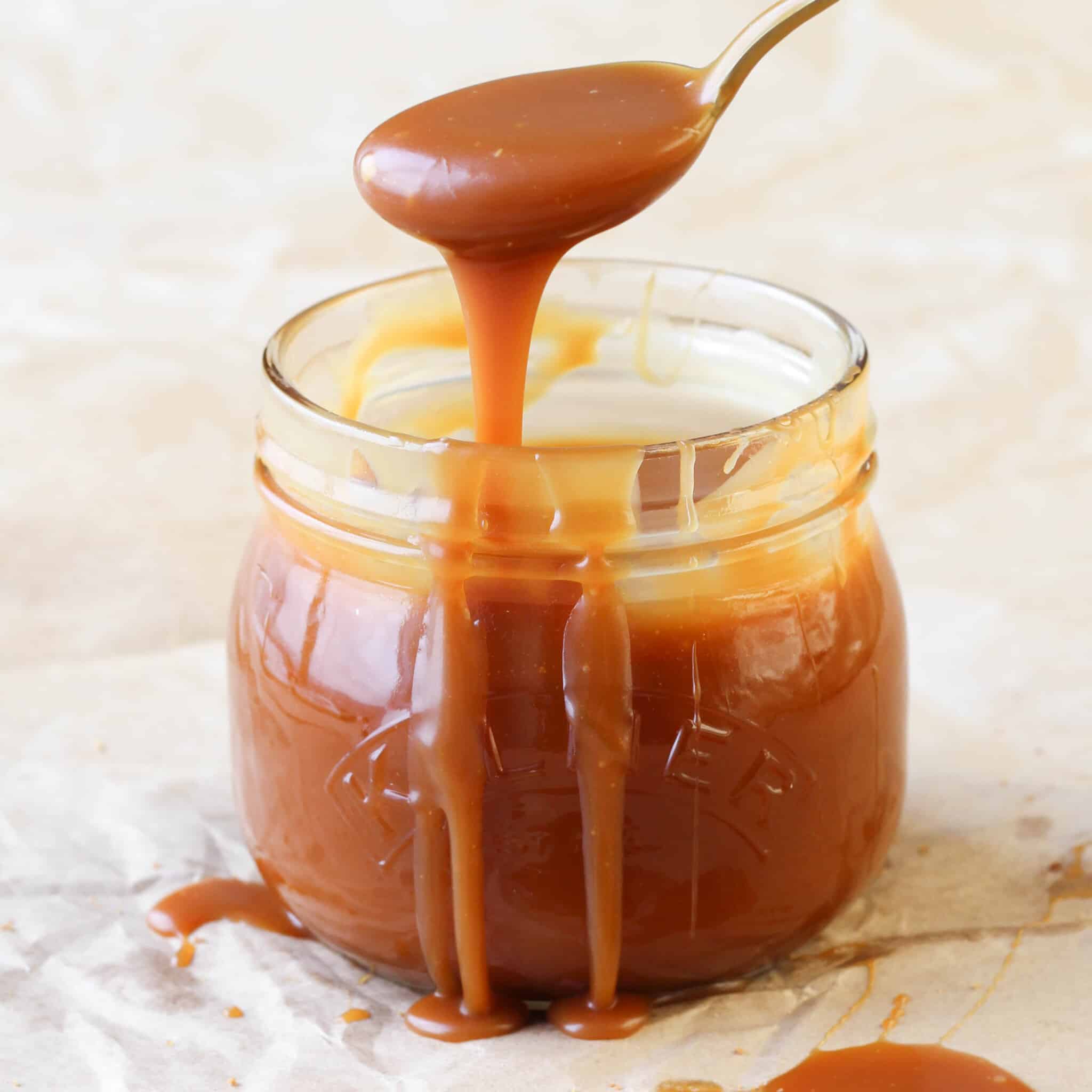
- Add a caramel core! You can pipe a dollop of salted caramel sauce into the center of the cookie!
Professional Tips
- Stop mixing the moment the flour and oats are incorporated. Overworking the dough after the dry ingredients go in develops gluten and produces a tough, dense cookie that does not have the right bend. A few rotations on low speed is all it takes.
- Chill the dough only if your dark brown sugar is especially dark. Heavily molasses-laden brown sugar tends to spread, and a quick 20 to 30-minute chill in the refrigerator corrects that without changing the final texture. For standard dark brown sugar, going straight from bowl to oven is fine, which is what I always do.
- Cool the cookies completely before filling. A warm cookie will melt the marshmallow fluff, causing it to slide rather than hold its position. Patience here is the difference between a clean, professional-looking sandwich and a sticky mess, and the same principle applies anytime you are piping a soft filling, whether it is marshmallow fluff or a Lemon Curd Whipped Cream style filling onto a delicate base.
How to Make Oatmeal Cream Pie
This recipe moves in a clear sequence: raisin paste first, then the cookie dough, then assembly once the cookies have cooled completely. Further details and measurements can be found in the recipe card below.
Step 1: Preheat the oven. Set your oven to 325°F convection (with the fan) or 350°F conventional (without the fan). The convection setting promotes a slightly better spread, which is exactly what you want for a thin, chewy oatmeal cream pie.
Make the Raisin Paste
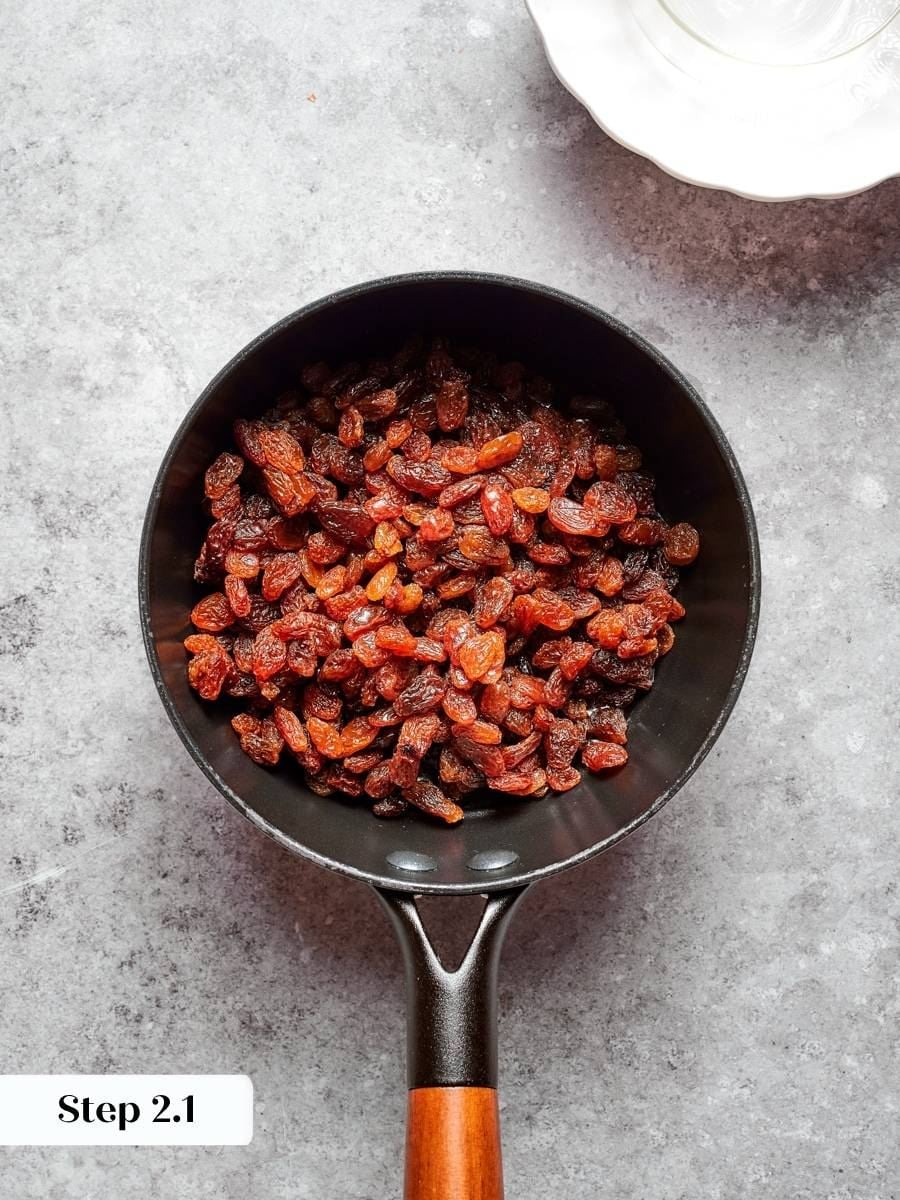
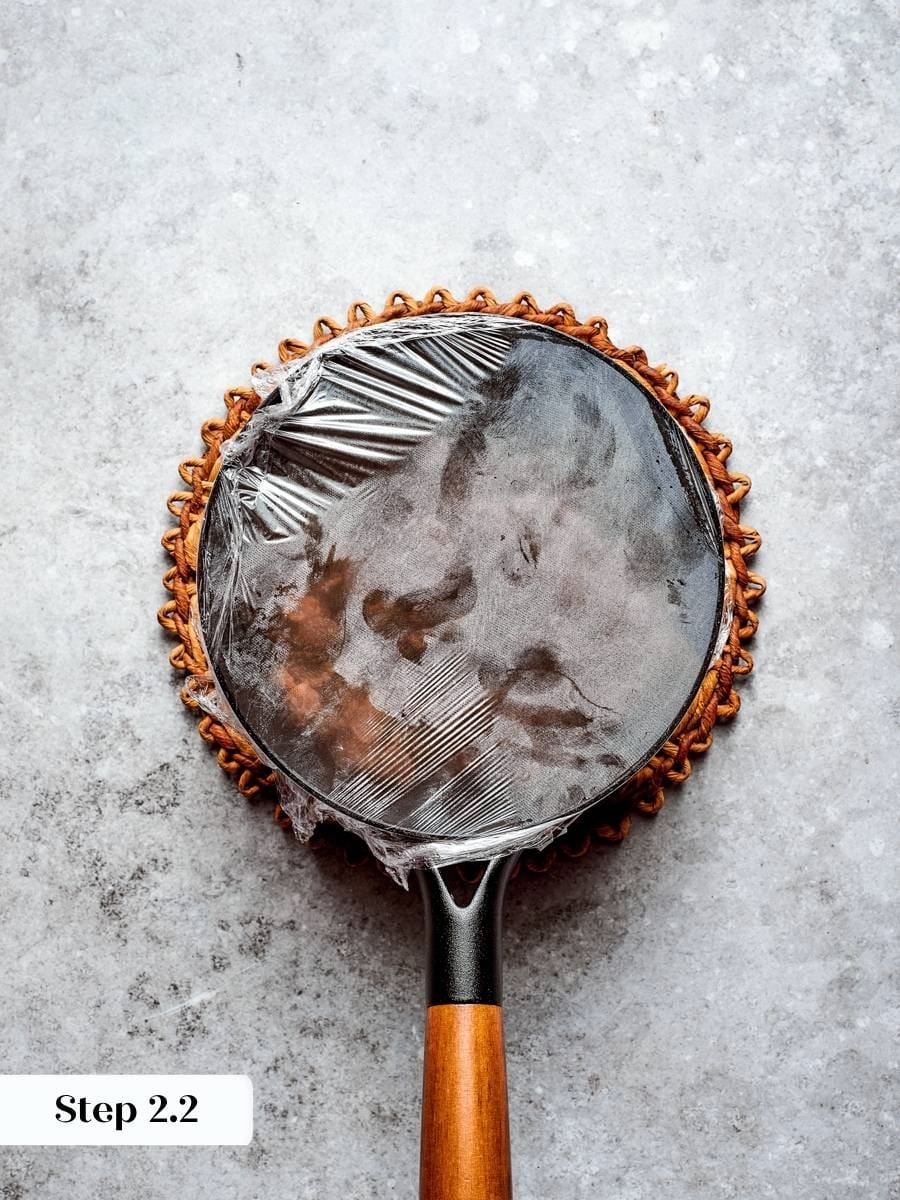
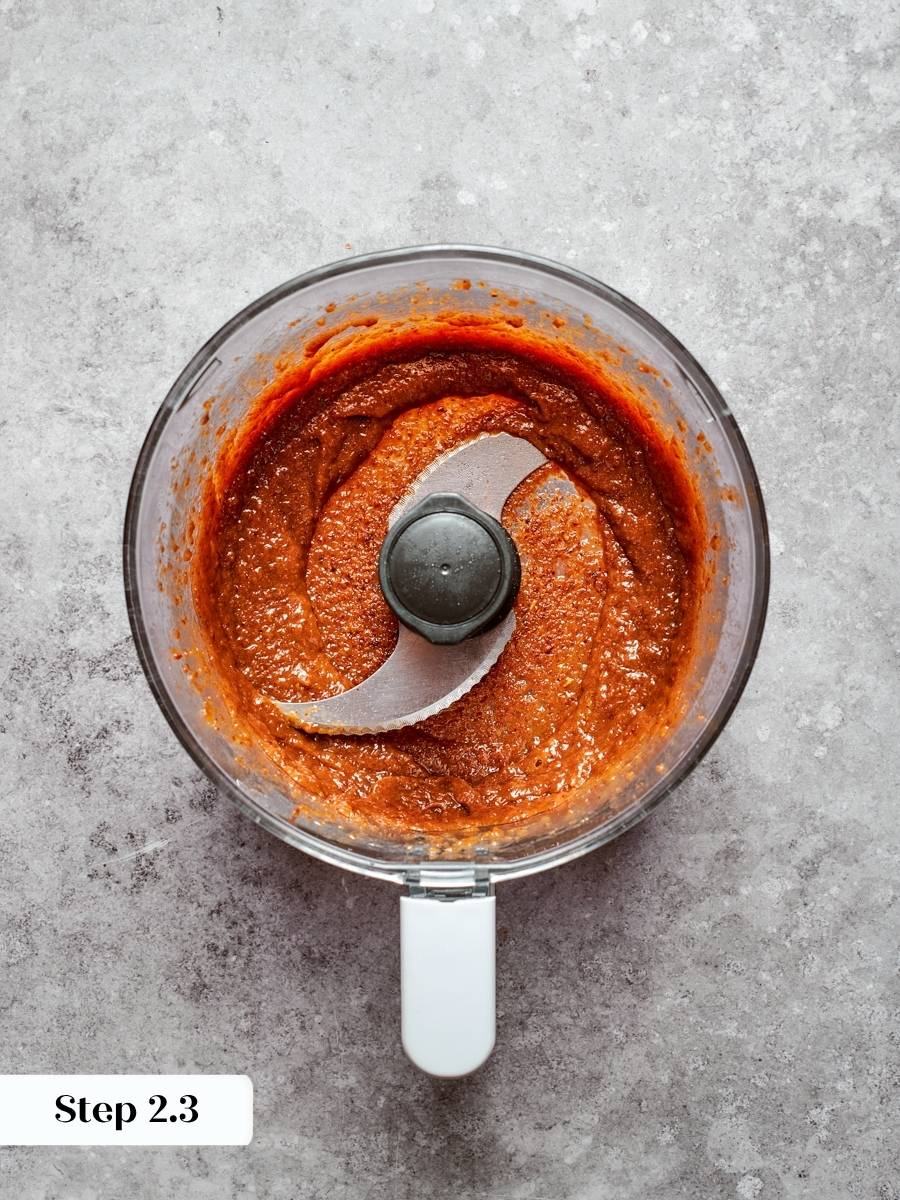
Step 2: Combine the raisins and water in a small pot, then bring to a boil over medium heat. Turn off the heat, cover the pot, and let the raisins sit for 15 minutes while you measure out the rest of your ingredients, as in sticky toffee pudding. Once they’ve had time to soften and absorb the water, transfer everything, liquid and all, to a blender, a small food processor, or a hand blender, and process until completely smooth. The paste should look like a thick, dark purée with no visible raisin pieces. Set it aside to cool, or spread it onto a parchment-lined baking sheet and refrigerate if you want to speed things up. (photos 1-3 below).
Make Cookie Dough
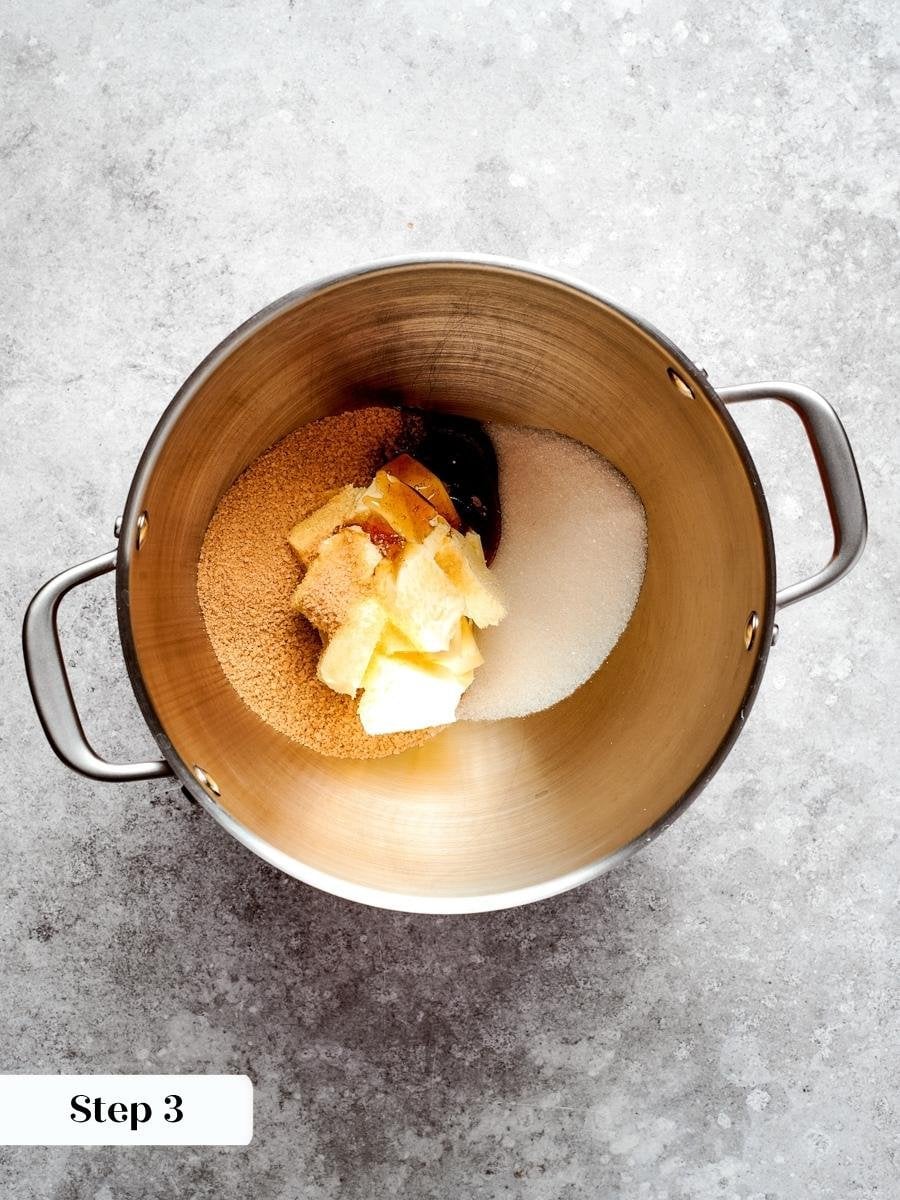
Step 3: Cream the butter and sugars. In the bowl of a stand mixer fitted with the paddle attachment, or in a large bowl with a hand mixer, beat together the softened butter, dark brown sugar, molasses, and granulated sugar until the mixture is lightened. (photo 4).
The high proportion of brown sugar means you will not get a pale, fluffy cream here, and that is completely normal. What you are looking for is a mixture that has lightened in color and looks something like light brown sugar, a few shades paler than when you started.
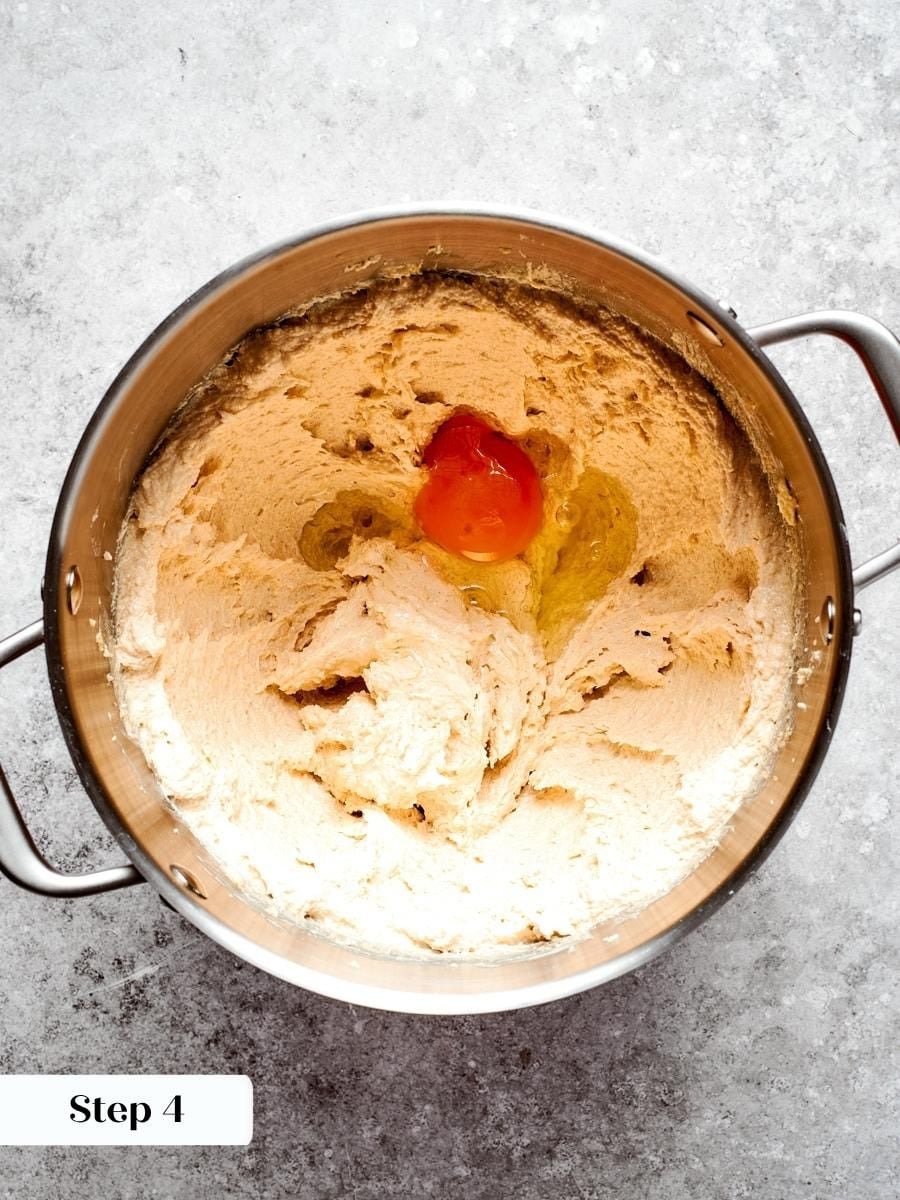
Step 4: Add the egg. Add the egg and beat well until fully incorporated. A room temperature egg blends in smoothly and evenly without seizing the butter. If your egg went in cold and the mixture looks slightly curdled, keep beating; it will come together. (photo 5).
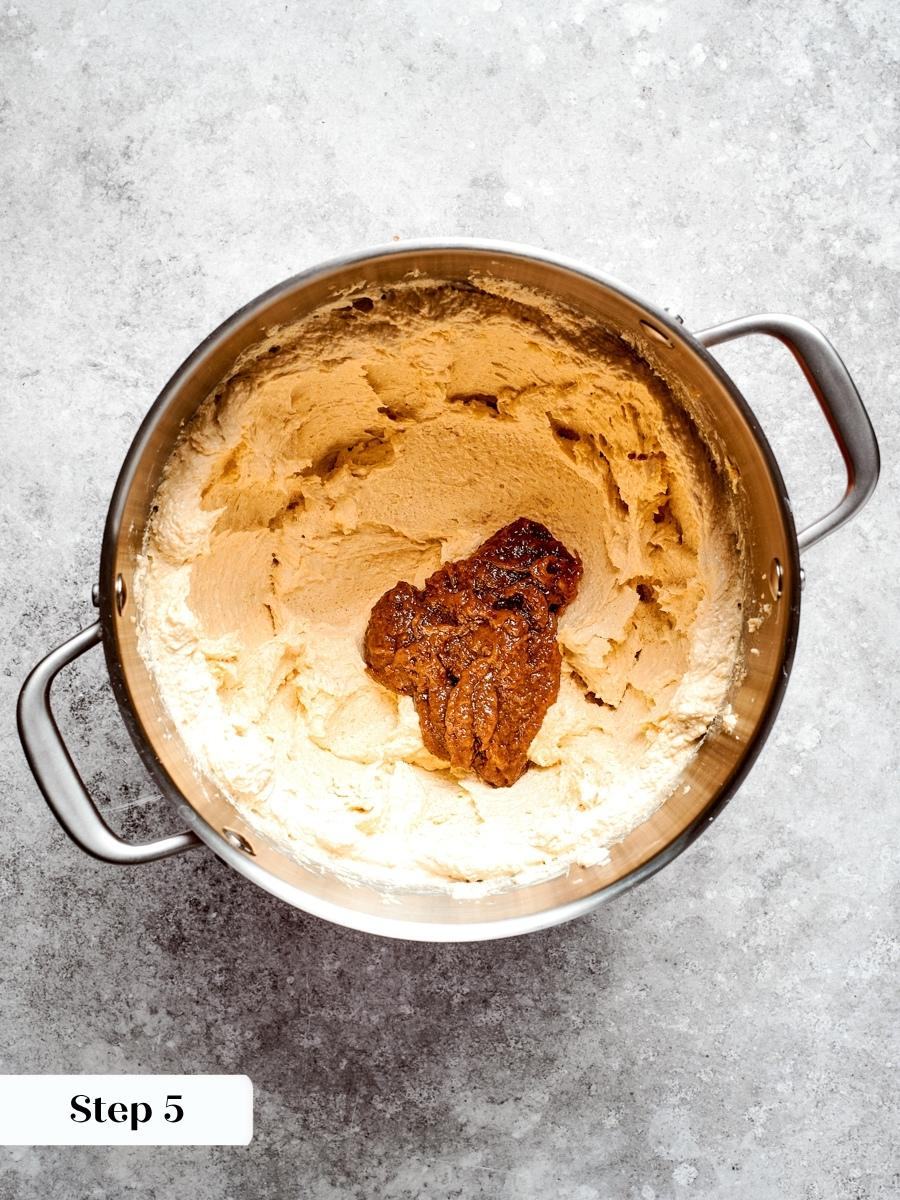
Step 5: Add the raisin paste. Add the cooled raisin paste and beat well. The dough will deepen in color and take on a rich, molasses-forward aroma. Make sure the paste is no longer hot before it goes in, or it can begin to melt the butter you just worked to cream. (photo 6).
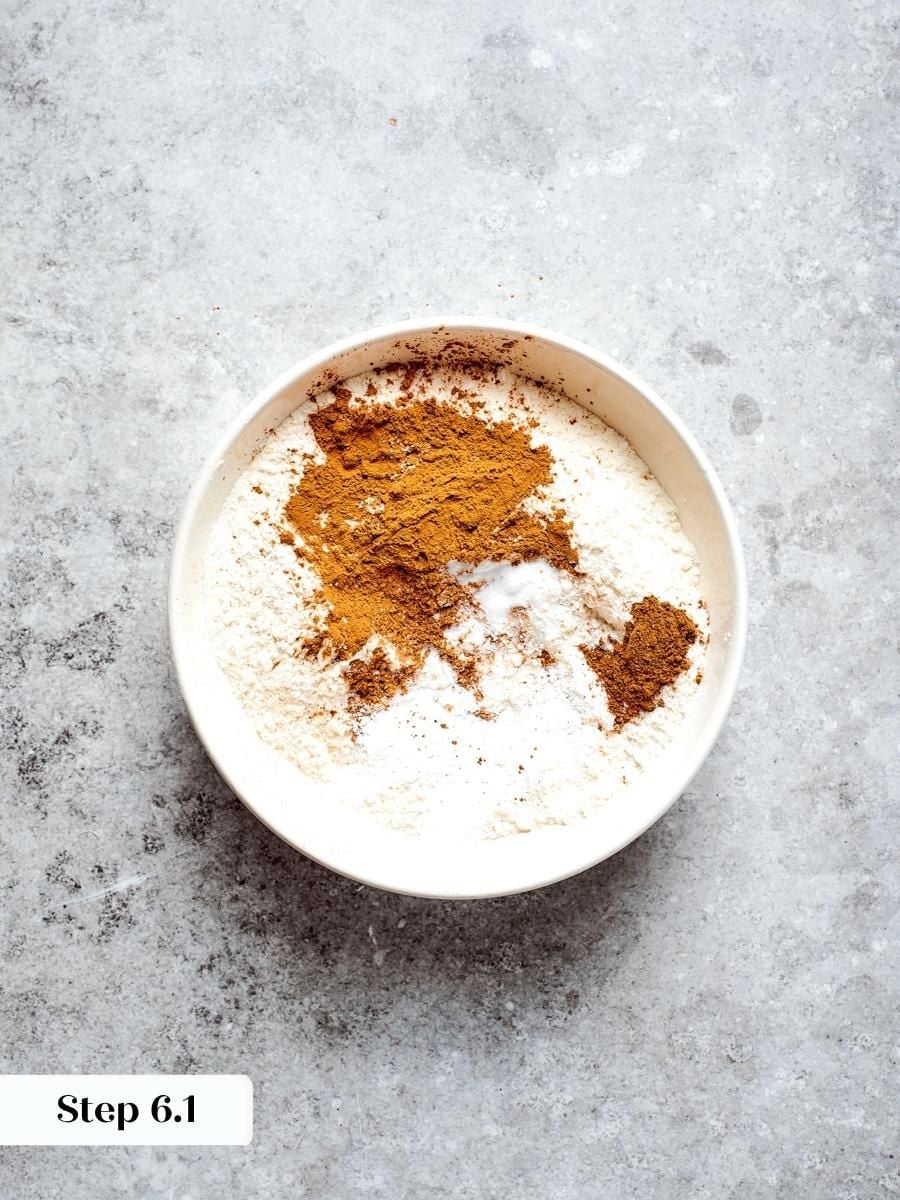
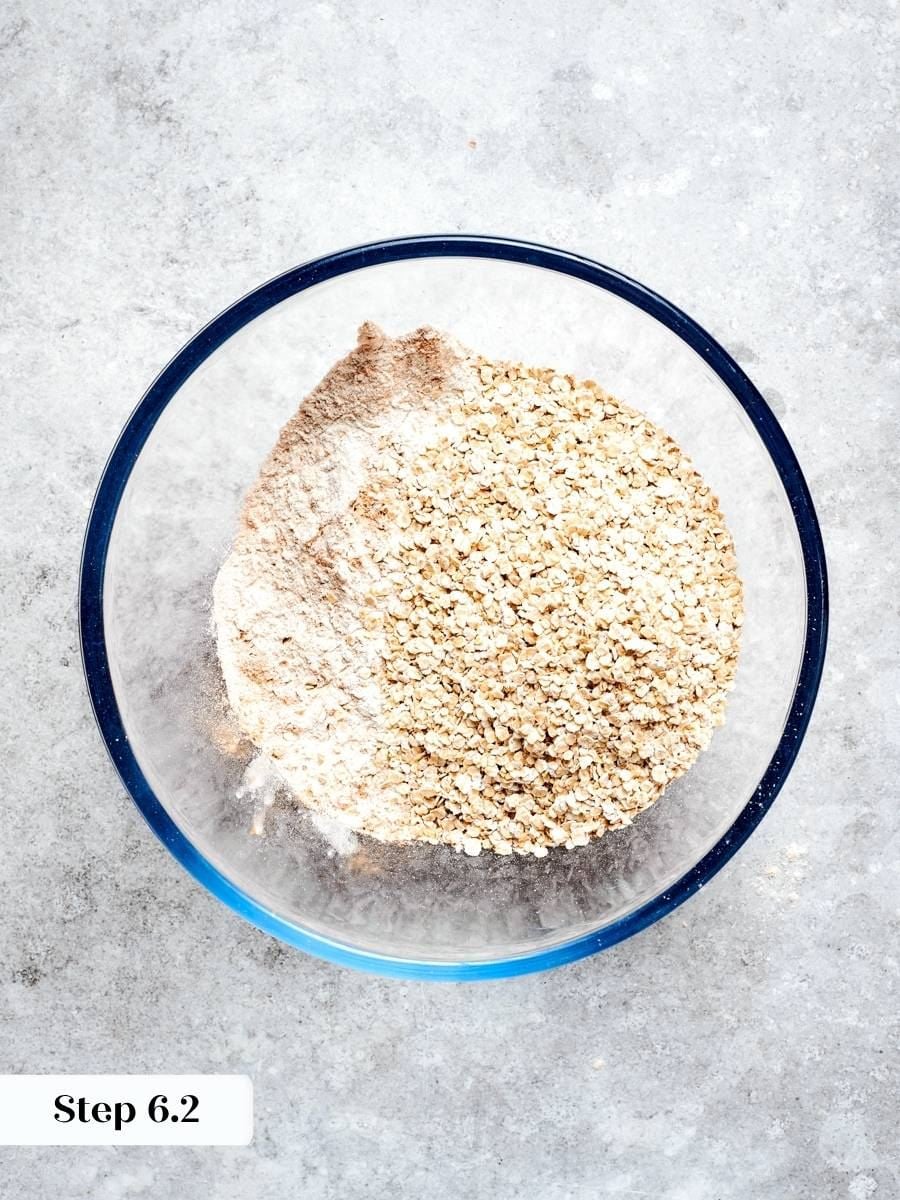
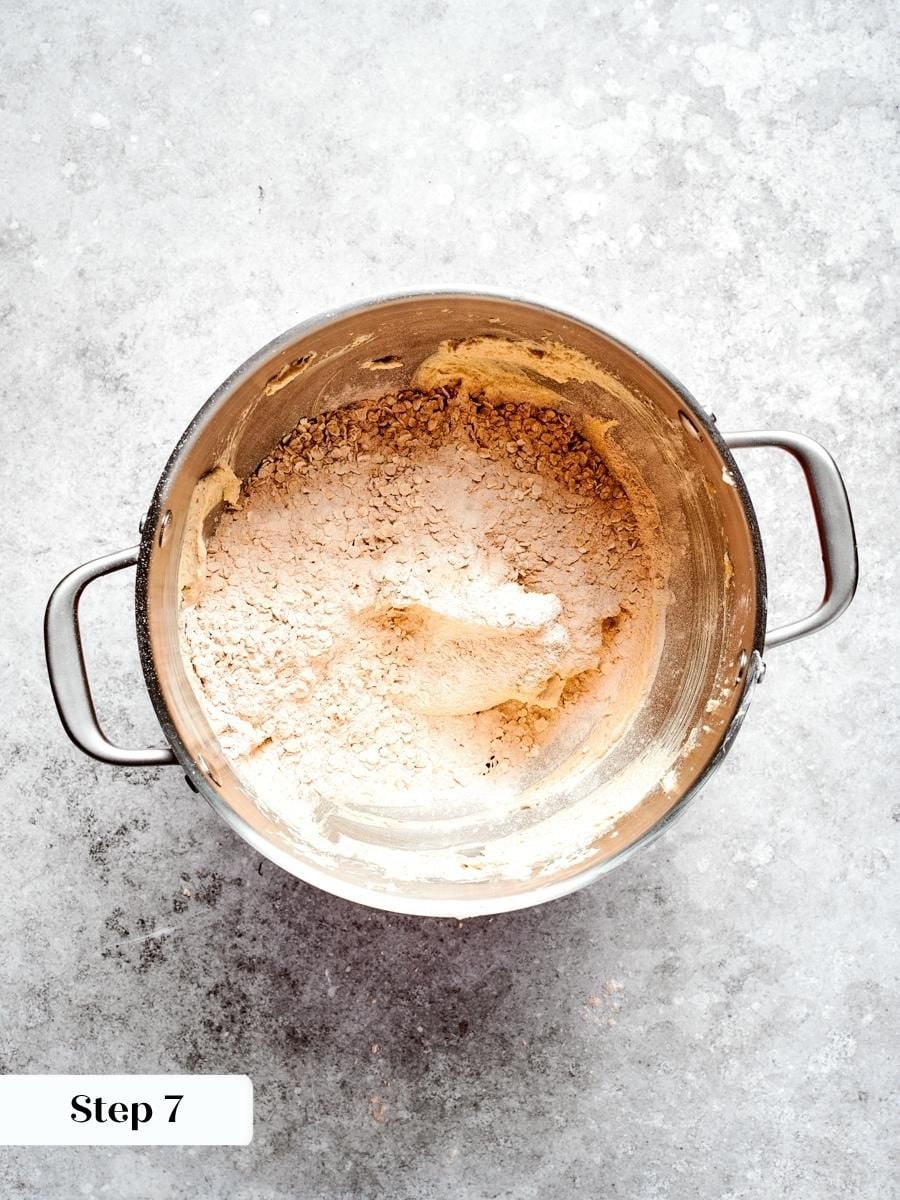
Step 6: Mix the dry ingredients. In a medium bowl, whisk together the flour, oats, baking powder, baking soda, salt, cinnamon, and cloves until evenly combined. Whisking rather than stirring distributes the leaveners and spices evenly so every cookie bakes the same. (photos 7 & 8).
Step 7: Add the dry ingredients to the dough. Reduce the mixer to low speed and add the dry ingredients in several additions, mixing until just well blended after the last addition. The dough will look dense and slightly sticky, which is correct. Stop mixing the moment everything is incorporated. (photo 9).
I always use softened butter and go straight from the mixer bowl to the oven without chilling the dough. The only time you might want to chill is if your dark brown sugar is very dark, since the extra molasses can push the spread too far. A short rest in the refrigerator will firm the dough back up.
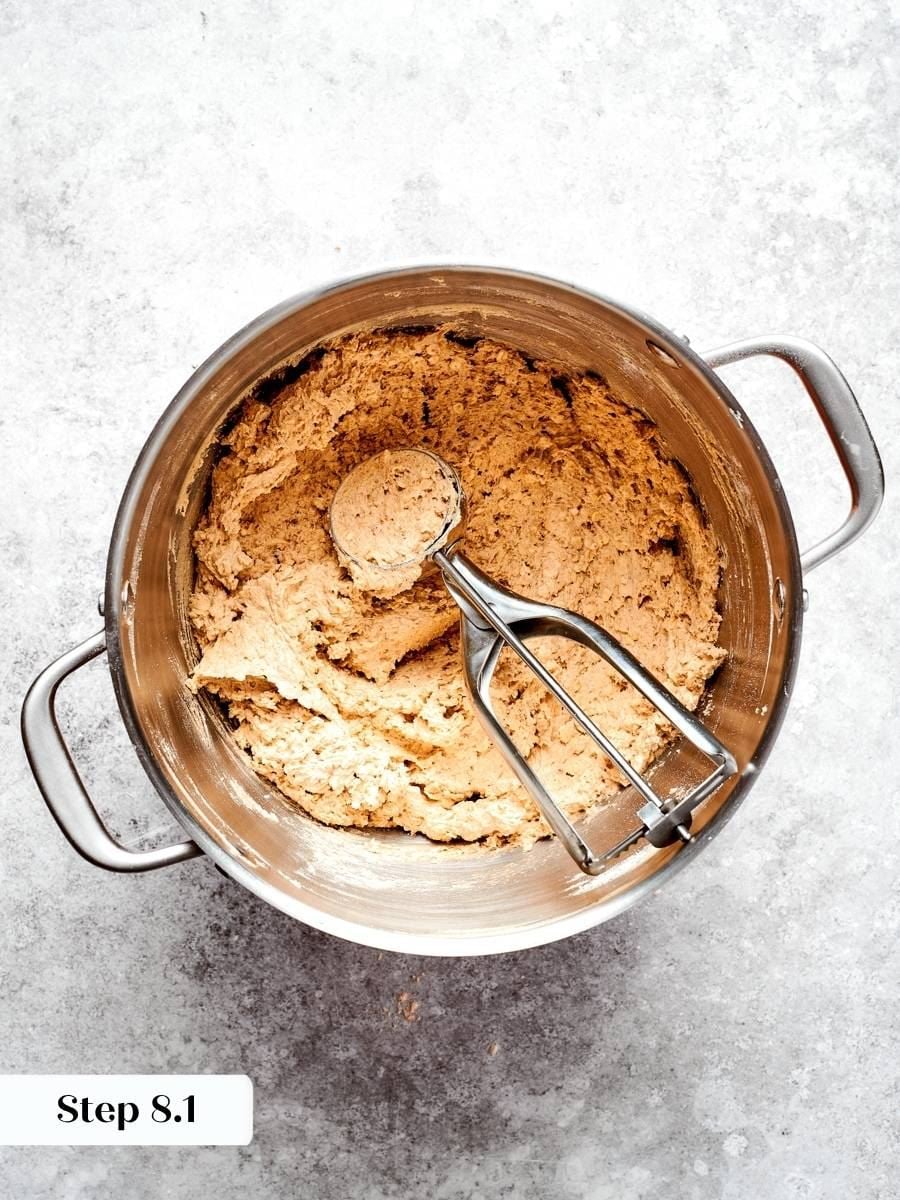
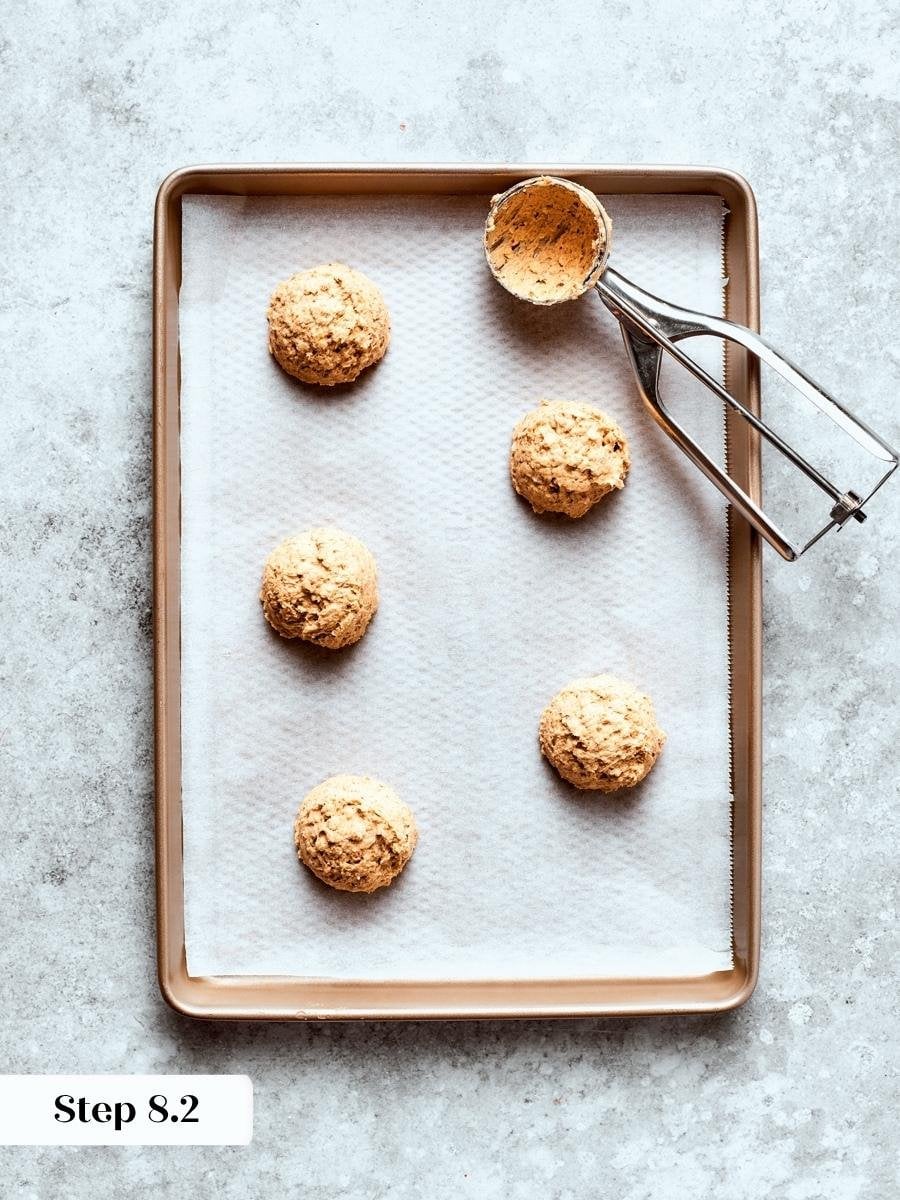
Step 8: Scoop the cookies. Use a large cookie scoop to portion the dough at 54g per cookie and arrange them on parchment-lined baking sheets, leaving enough space for spreading. (photos 10 & 11).
If you want a bite-sized version, portion the dough at 22g per cookie. Bake for 15 minutes, rotating after 7, and you will get about 30 small sandwich cookies.
Bake and Assemble
Step 9: Bake the cookies. Bake at 325°F convection or 350°F conventional for 18 to 19 minutes, rotating the trays top to bottom and front to back after 7 minutes and again at 14 minutes. The cookies are done when the edges are set and lightly golden and the centers still look soft and just barely matte. They will continue to firm as they cool, so pull them at that point rather than waiting for the centers to look fully set. (photo 12).
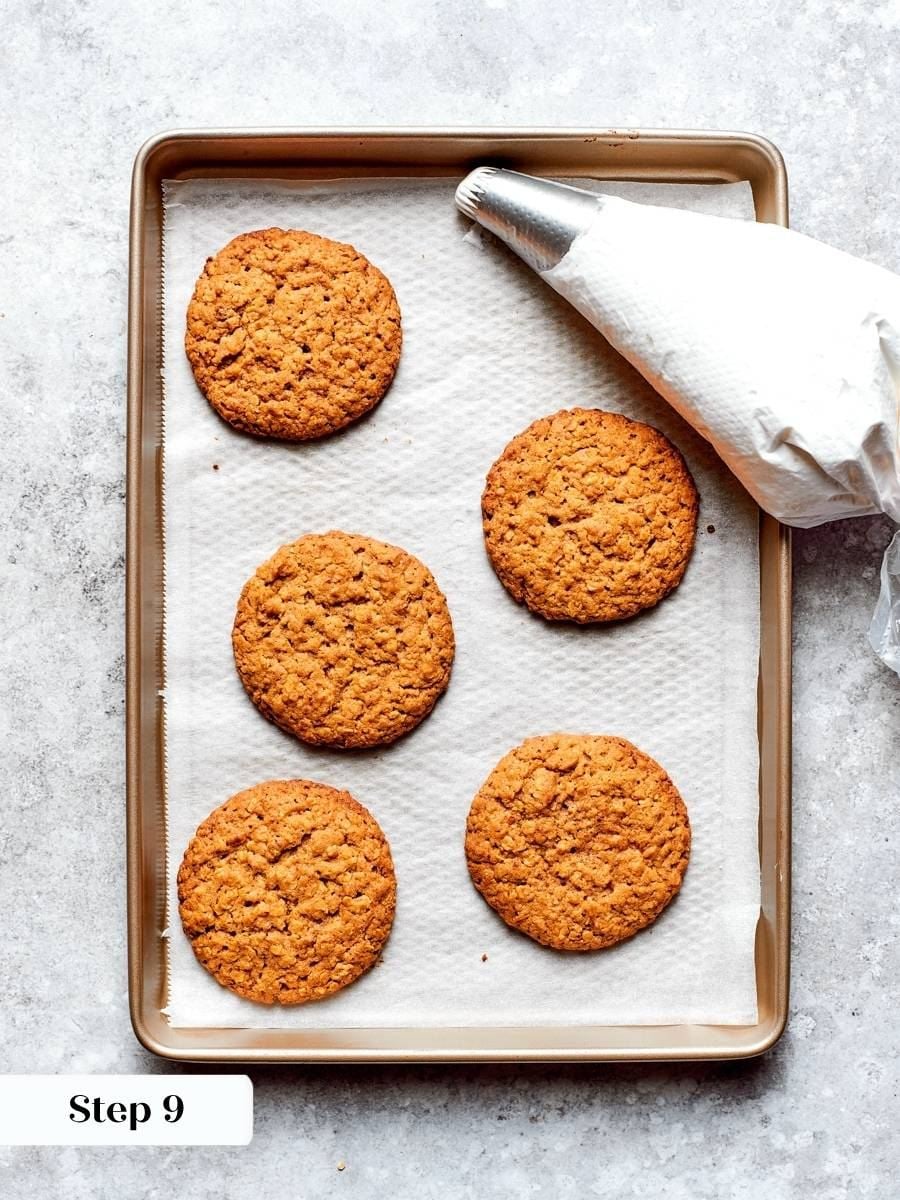
Step 10: Cool completely. Remove the trays from the oven and transfer to a wire cooling rack. Let the cookies cool completely before filling. They are thin and will feel soft right out of the oven, but they firm into a chewy, slightly crisp-edged cookie as they cool. Do not rush this step, warm cookies will cause the marshmallow filling to slide.
Step 11: Prepare the filling. Scoop the marshmallow fluff into a piping bag and cut the tip off so the opening is about ½ inch across. Use your hand, a bowl scraper, or the edge of the counter to press the fluff down toward the base of the bag before you start piping. If you prefer not to use a piping bag, you can spread the fluff with the back of a spoon or an offset spatula, though the piping bag gives you much better control over the amount and placement.
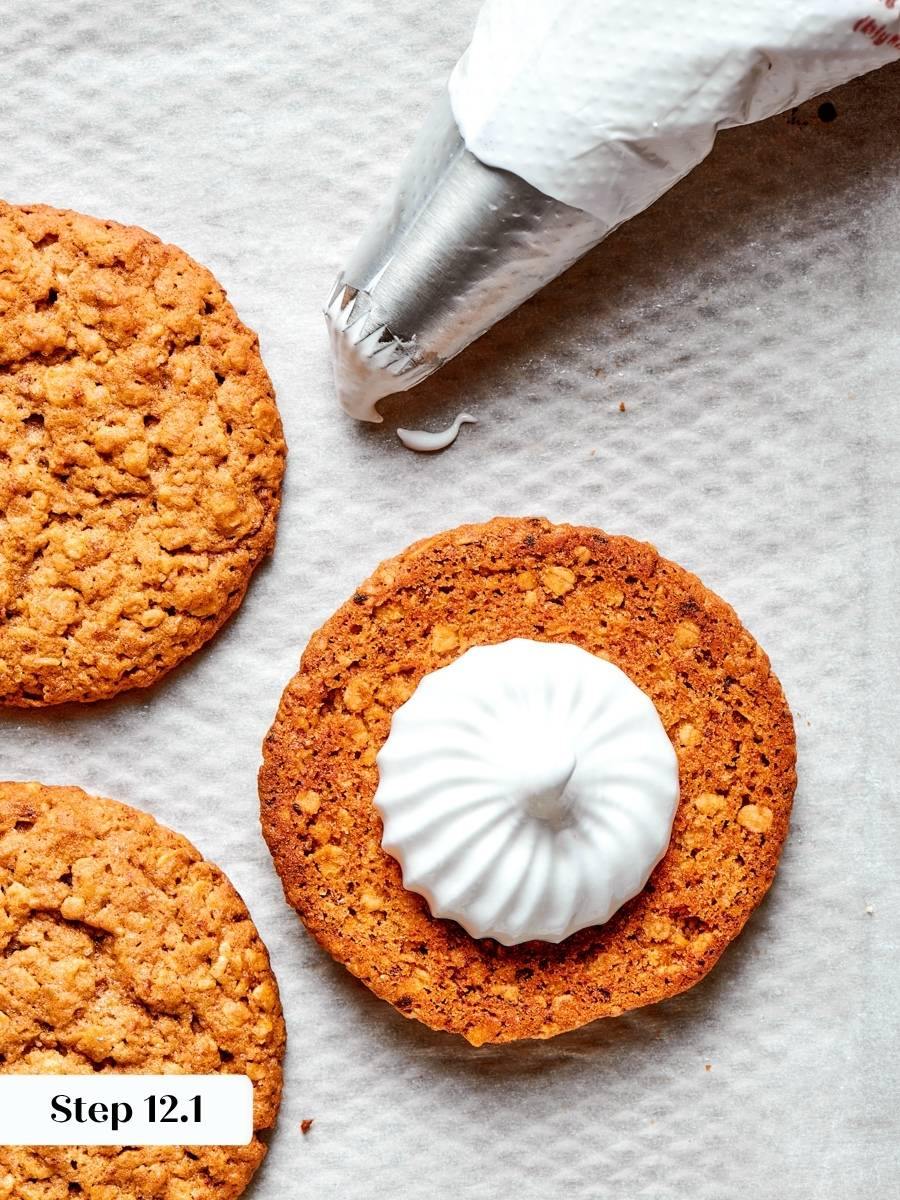
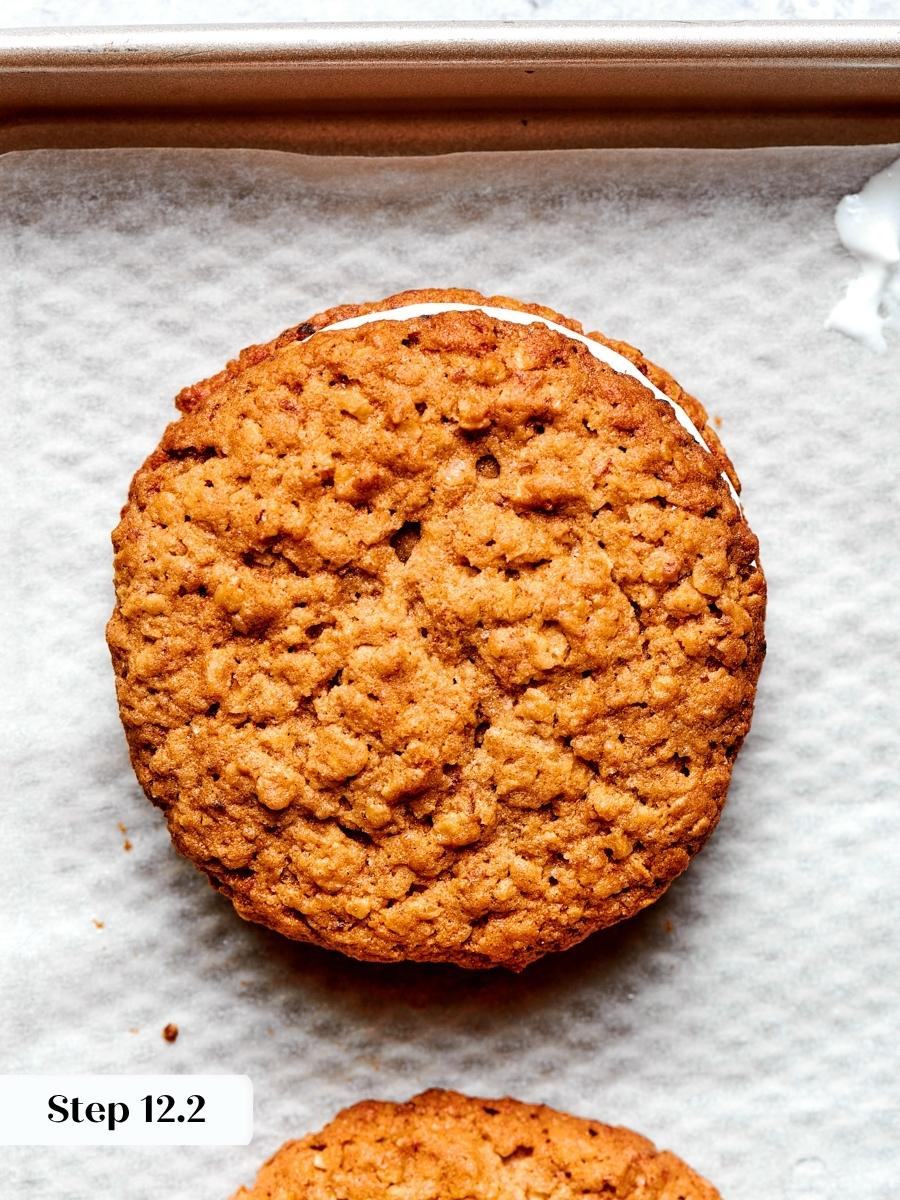
Step 12: Assemble the pies. Pick up one cooled cookie and turn it over so the flat side faces up and the domed top rests in your palm. Pipe the fluff in a star pattern onto the flat side, leaving a ¼-inch border around the edge. That border matters: keeping the filling away from the edge prevents it from squeezing out under the weight of the top cookie. Press a second cookie flat side down onto the filling, sandwiching the two together. Repeat with the remaining cookies. (photos 13 & 14).
Chef Lindsey’s Recipe Tip
The raisin paste is doing more work here than it might appear. It disperses moisture evenly throughout every cookie so the finished pies stay soft and chewy for days without turning cakey, and it imparts a depth of flavor closer to molasses than to fruit. Because the recipe makes enough paste for three batches, do not halve it, store the rest in the refrigerator and use it wherever you would reach for date paste.
Recipe FAQs
Assembled pies made with store-bought Marshmallow Fluff keep at room temperature in a sealed container for up to a week, and Marshmallow Fluff freezes and thaws beautifully for longer storage. If you use homemade fluff, limit room temperature storage to 3 days, as it will start to weep before the store-bought version does. For best texture after freezing, thaw the pies at room temperature still sealed in their container.
Yes, and they actually improve over time. Bake and cool the cookies completely, then assemble and store in a sealed container at room temperature for up to a week using store-bought fluff, or freeze them for longer. The marshmallow filling softens the cookies as they sit, which is exactly the texture you want.
Portion the dough at 22g per cookie, bake for 15 minutes rotating after 7 minutes, and you will get about 30 mini sandwich cookies. The baking time is shorter because the smaller cookies set faster, so watch the edges rather than the clock. Assembly works the same way: pipe the filling with a quarter-inch border so the weight of the top cookie does not push it out.
Other Nostalgic Treats!

Donut Recipes
Krispy Kreme Donut Recipe
Brownies & Bars Recipes
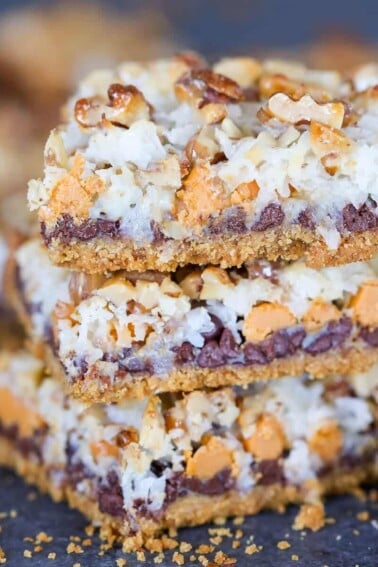
7 Layer Bars (Magic Bars)
Cookie Recipes
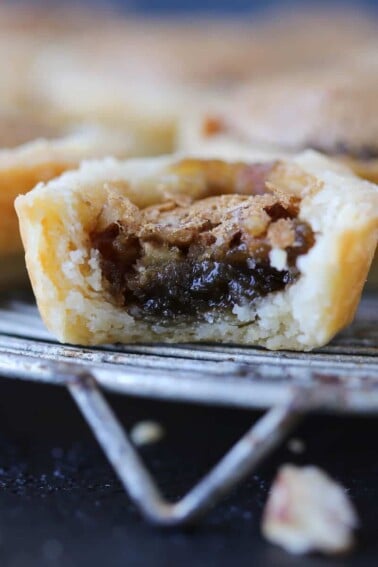
Pecan Tassies

Cupcake Recipes
Yellow Cupcakes with Chocolate Frosting
If you tried this recipe and loved it please leave a 🌟 star rating and let me know how it goes in the comments below. I love hearing from you; your comments make my day!
Oatmeal Cream Pie Recipe
Ingredients
- 1 cup dark raisins lightly packed
- ¼ cup water
For the Cookies:
- 1 cup unsalted butter room temperature
- 1 cup dark brown sugar
- ½ cup granulated sugar
- 1½ tablespoons molasses unsulfured
- 1 large egg room temperature
- ¼ cup raisin paste
- 1½ cups all-purpose flour
- 2 cups quick oats
- 1 teaspoon baking powder
- ¼ teaspoon baking soda
- ½ teaspoon salt
- 2 teaspoons ground cinnamon
- ½ teaspoon ground cloves
For the Filling:
- 1 cup marshmallow fluff store-bought or homemade
Instructions
- Preheat the oven to 325°F convection or 350°F conventional.
Make Raisin Paste
- Combine raisins and water in a small saucepan. Bring to a boil over medium heat, turn off the heat, cover, and let sit for 15 minutes. Transfer to a blender or small food processor and process until smooth. Set aside to cool. You need ¼ cup (75g) for this recipe; the remainder keeps refrigerated.
Make Cookie Dough
- Beat butter, dark brown sugar, granulated sugar, and molasses together until lightened. The mixture will resemble light brown sugar in color and texture.
- Add the egg and beat well. Add the cooled raisin paste and beat until fully incorporated.
- Whisk together flour, oats, baking powder, baking soda, salt, cinnamon, and cloves in a separate bowl. Add to the butter mixture in several additions on low speed, mixing until just combined.
Bake and Assemble
- Scoop dough at 54g per cookie using a large cookie scoop. Bake for 18 to 19 minutes, rotating trays top to bottom and front to back at 7 minutes and again at 14 minutes. Cookies will look slightly underdone at the center when pulled. Cool completely on a wire rack.
- Transfer marshmallow fluff to a piping bag with a ½-inch opening. Pipe a star shape onto the flat side of one cookie, leaving a ¼-inch border from the edge. Press a second cookie on top, flat side down. Repeat with remaining cookies.
Notes
Doneness Cue: Pull the cookies when the centers still look slightly soft. They firm up as they cool, and the edges will have just enough crispness to hold the sandwich before softening against the filling.
Storage: Assembled pies keep at room temperature in a sealed container for up to a week with store-bought fluff, or freeze for longer storage. If using homemade fluff, limit room temperature storage to 3 days, as it will begin to weep. Thaw frozen pies at room temperature in a sealed container.
Nutrition
Before You Go
If these soft, chewy oatmeal sandwich cookies with that billowy cream filling become a regular in your kitchen, I think you will be very happy. Browse more recipes for Pie & Tart Recipes or make these apple pie cookies next!








I was excited to use my new immersion blender to make the raisin paste! It adds this deep, almost caramel-like flavor. The cookies stayed soft for days, and the marshmallow filling held up perfectly without getting sticky. My family demolished the whole batch in one afternoon.
Demolished the whole batch in one afternoon is the highest possible honor! 🍪 The immersion blender is such a great tool for that raisin paste — it gets completely smooth so fast. And that deep, almost caramel-like flavor is exactly what the dark brown sugar and molasses are doing together. So happy your family loved them! ~CLF team