
This post may contain affiliate links. Please read our disclosure policy.
Buckwheat crêpes made with brown butter and a properly rested batter have a depth of flavor that sets them apart from any quick weeknight version. The overnight rest truly makes a difference.
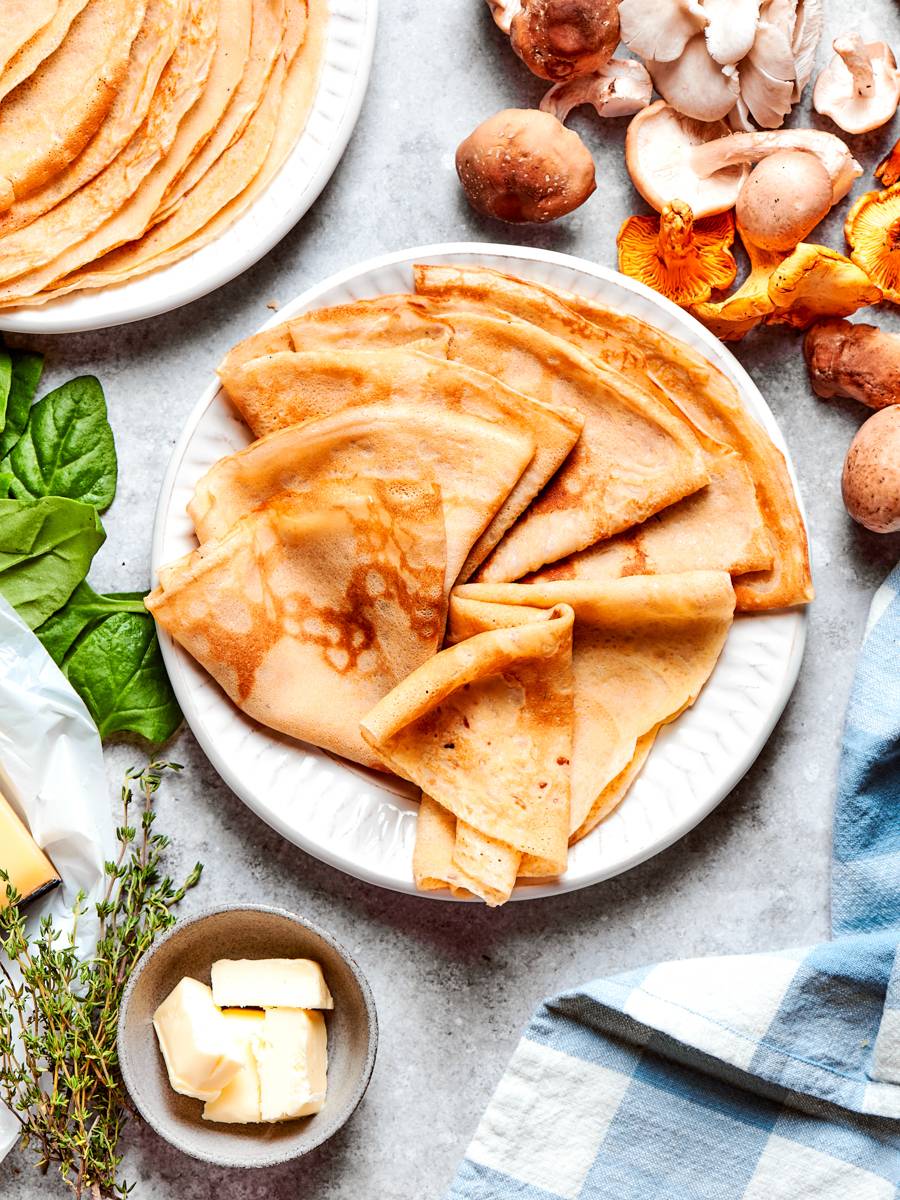

A Quick Look At The Recipe
This is a brief summary of the recipe. Jump to the recipe to get the full details.
Jump to RecipePrep Time
15 minutes
Cook Time
40 minutes
Rest Time
2 hours
Total Time
2 hours 55 minutes
Servings
16 Crepes
Difficulty
Intermediate
Calories *
84 kcal per serving
Technique
Make batter; rest overnight: cook crepes.
Flavor Profile
Nutty, earthy, deeply savory with warm browned butter undertones.
* Based on nutrition panel
I made the batter the night before just like Lindsey suggested, and the difference compared to the ones I cooked after just a 2 hour rest was remarkable. The crepes had this deep, nutty flavor I wasn’t expecting, and they held up perfectly to a savory filling without tearing. The brown butter really does make this recipe! ⭐⭐⭐⭐⭐
Lisa
Why This Recipe Works
- Brown butter amplifies buckwheat’s natural flavor. Browning the butter before blending it into the batter deepens the nuttiness that buckwheat already brings to the table. The result is a crepe with noticeably more complexity than one made with plain melted butter.
- The flour ratio keeps crepes pliable and sturdy. At roughly 63% all-purpose to 37% buckwheat, these crepes spread smoothly in the pan and hold their shape around hearty fillings without tearing.
- Overnight batter rest produces a silkier texture. Resting the batter allows the flour to fully hydrate and the gluten to relax, which makes the crepes silkier and more flavorful.
- Freezer-friendly and meal-prep ready. Once cooled, the crepes stack and freeze for up to a month, making them a practical option for weekday meals. I like to keep these crepes in my freezer next to these [baked turkey meatballs] for easy dinners!
Table of Contents
These buckwheat crepes are my go-to for when I want something just a little more savory than classic crepes. The combination of nutty buckwheat flour and deeply browned butter gives these crepes an earthy, savory flavor that’s rooted in French Breton tradition. Their texture is sturdy enough to hold any savory filling, but still tender and delicate—perfect for brunch or a light dinner.
These crepes work beautifully with savory fillings like ham and gruyère or sautéed mushrooms, but the flavor is balanced enough for sweet applications too. They pair especially well with yeasted breads and enriched doughs on a brunch spread, and if you want something to serve alongside, my sourdough cinnamon rolls or cinnamon flop are a perfect pairing for a Sunday brunch.
Ingredients & Substitutions
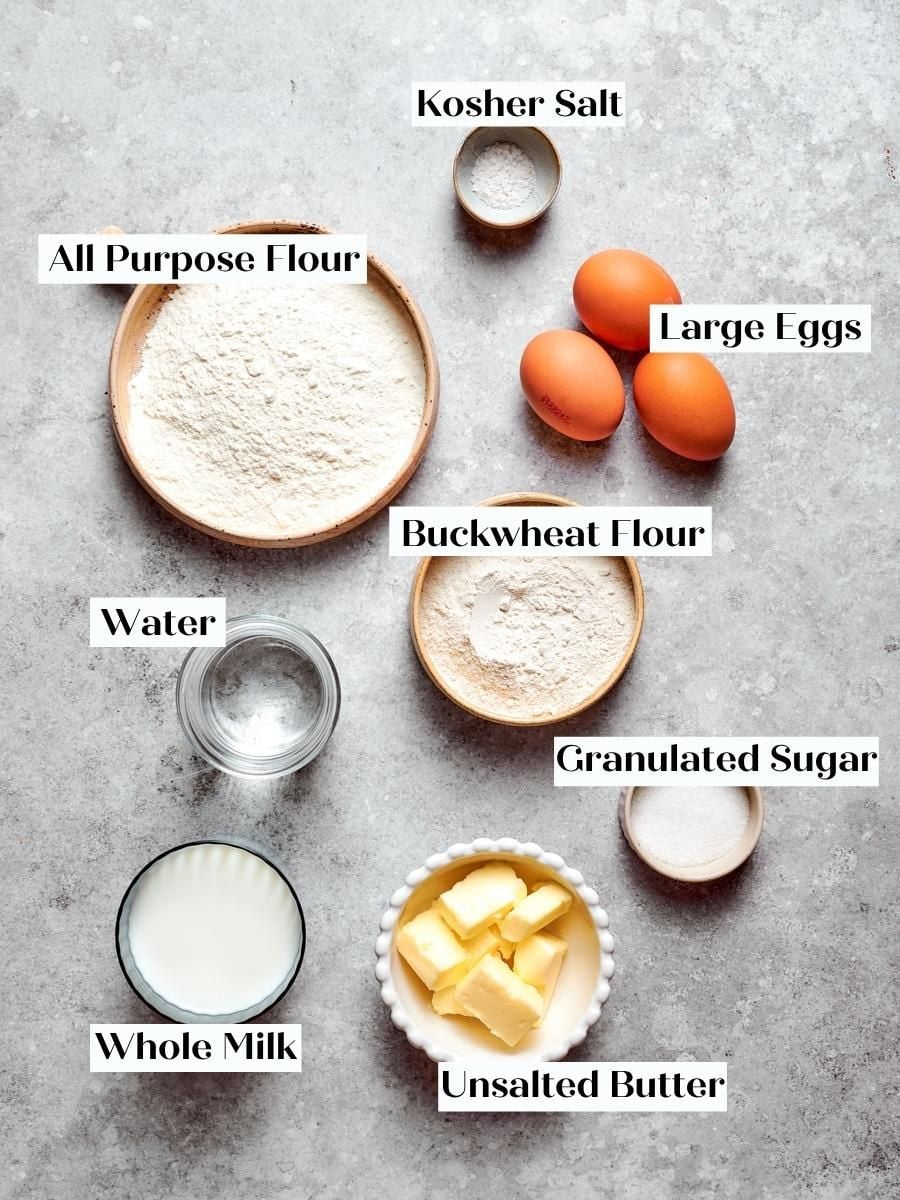
- Whole Milk: Provides the fat and moisture that make these crepes tender and flexible enough to fold without cracking. The fat also helps the batter emulsify into a smooth, lacy sheet rather than a rubbery one.
- Eggs: Eggs are the primary binder here, giving the buckwheat and all-purpose flours enough structure to hold together in a paper-thin crepe. The proteins set quickly in the pan, which is what lets you flip and fold without tearing.
- All-Purpose Flour: Provides the gluten structure that keeps the crepes pliable yet strong enough to roll, fold, and fill without falling apart.
- Buckwheat Flour: Buckwheat flour delivers the signature earthy, nutty flavor and soft, tender texture that define these crepes. Because buckwheat is gluten-free and more absorbent than wheat flour, it needs to be balanced with all-purpose flour and plenty of liquid to avoid a brittle or gummy result. If you love baking with buckwheat flour you should make this vegan chocolate chip banana bread!
- Unsalted Butter: Browning amplifies buckwheat’s natural nuttiness in a way that plain melted butter simply cannot, and it gives the crepes their deeper, more complex character. Using unsalted butter keeps the seasoning precise. For more brown butter deliciousness, check out these brown butter chocolate chip cookies next!
See the recipe card for full information on ingredients and quantities.
Variations on This Buckwheat Crêpes
- Gluten-Free Version. Swap the all-purpose flour for Cup4Cup flour in a 1:1 ratio by weight, keeping the buckwheat flour as written. The texture will be slightly more delicate, so handle the crepes with care when flipping.
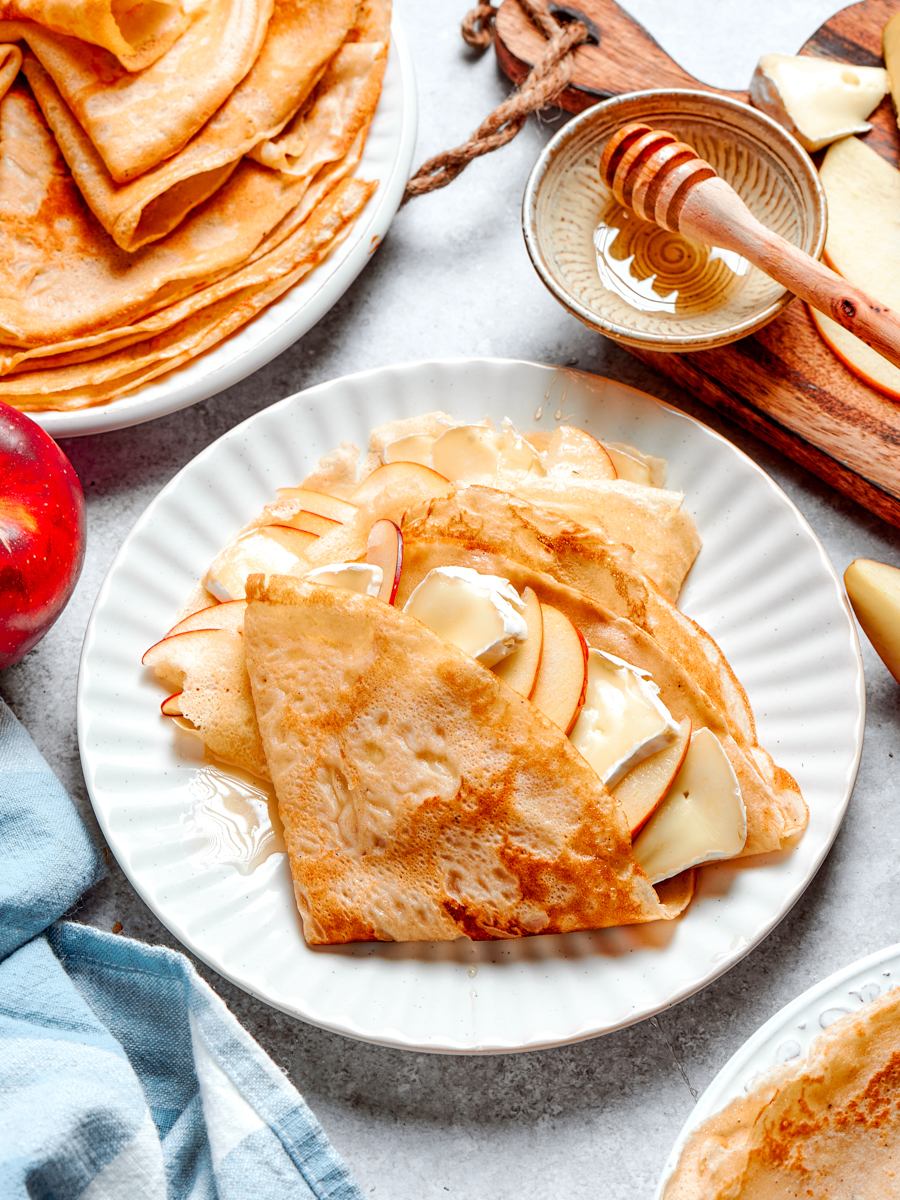
- Sweet Application. Fill them with whipped cream and fresh fruit, or fold them around a chocolate hazelnut spread for a simple dessert. Check out this sweet crepe recipe for more inspiration!
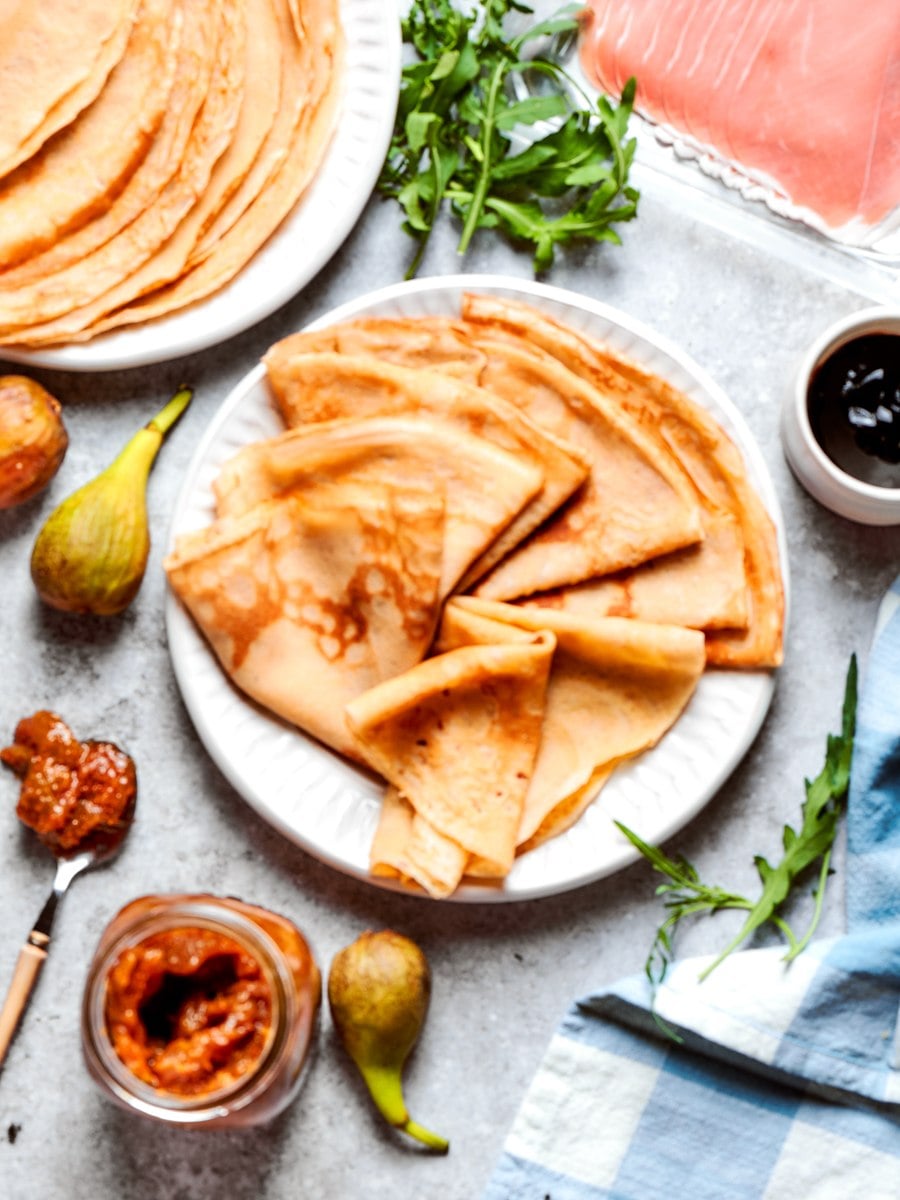
- Savory Filling Applications. The flour ratio and brown butter base make these crepes sturdy enough for hearty fillings like ham and gruyère, sautéed mushrooms, or spinach and goat cheese without tearing at the fold. For more savory filling inspiration check out these savory crepes(coming soon!)!
- Savory crepe cake! Make a savory version of this [mille crepe cake], by layering the crepes with caramelized onions, whipped goat cheese or ricotta and some mushrooms. What also sounds delicious is a lox crepe cake! Layer the crepes with herb-infused cream cheese, capers, and thinly sliced smoked salmon.
Professional Tips
- Brown the butter deeply, but watch it closely. The butter should reach a deep golden amber with a nutty aroma before you pull it from the heat just like when making brown butter brownies! Stop too early, and you lose the flavor; go too far, and it turns bitter and acrid in the batter.
- Pour batter only into a properly preheated pan. A cold or underheated pan causes the batter to spread unevenly and stick. The pan is ready when a small drop of water evaporates on contact immediately.
- Separate cooled crepes with parchment before stacking or freezing. Stacking warm or unseparated crepes causes them to fuse together and tear when pulled apart. Cool completely, then layer with parchment, and freeze for up to a month.
How to Make Buckwheat Crêpes
Use these instructions to make perfect buckwheat crêpes every time! Find further details and measurements in the recipe card below.
Make Crêpe Batter
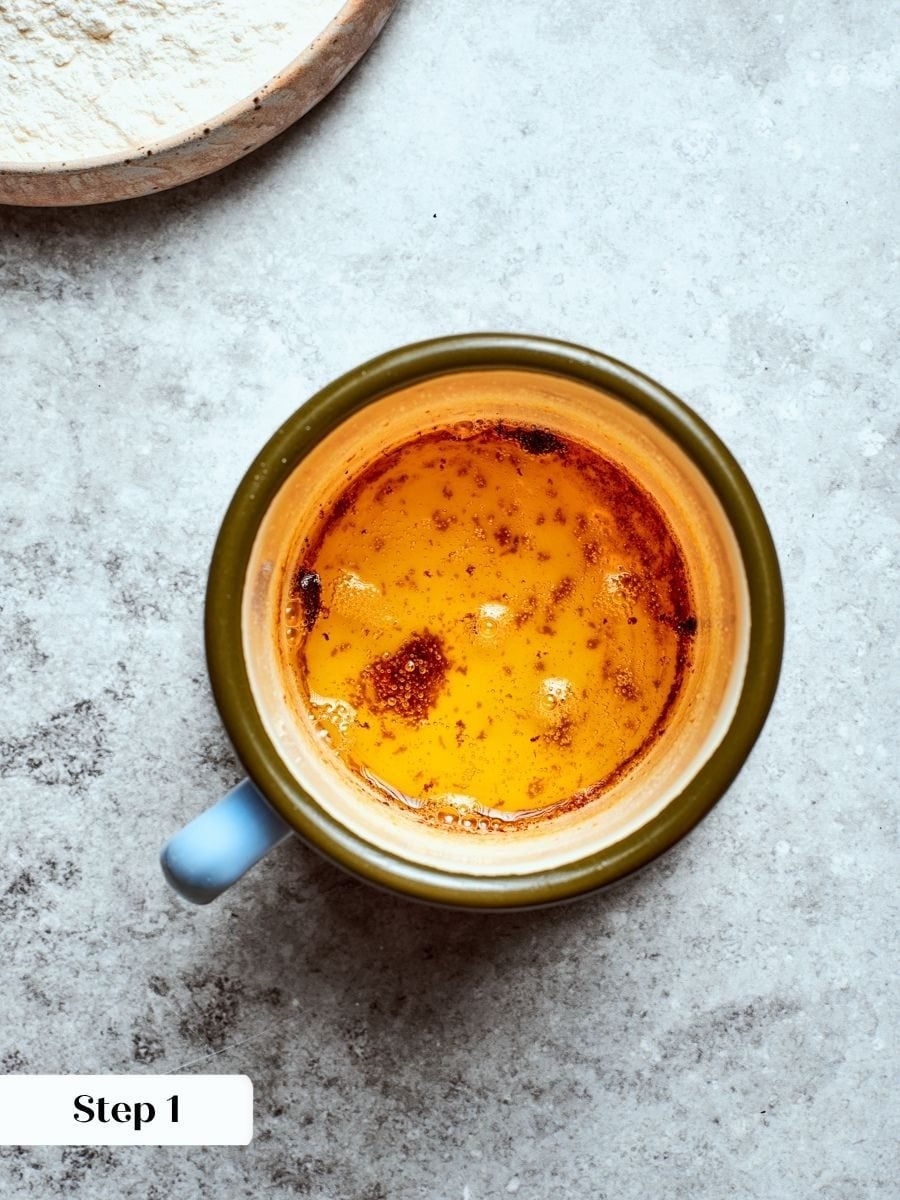
Step 1: Brown the butter. Melt the butter in a small saucepot over medium-high heat, stirring frequently. Once it begins to foam and you see golden bits forming on the bottom of the pan, reduce the heat to medium and stir constantly. The butter will smell deeply nutty, almost like toasted hazelnuts, and the milk solids will turn a rich amber brown. Pour it into a bowl immediately to stop the cooking and let it cool slightly before adding it to the batter. (photo 1).
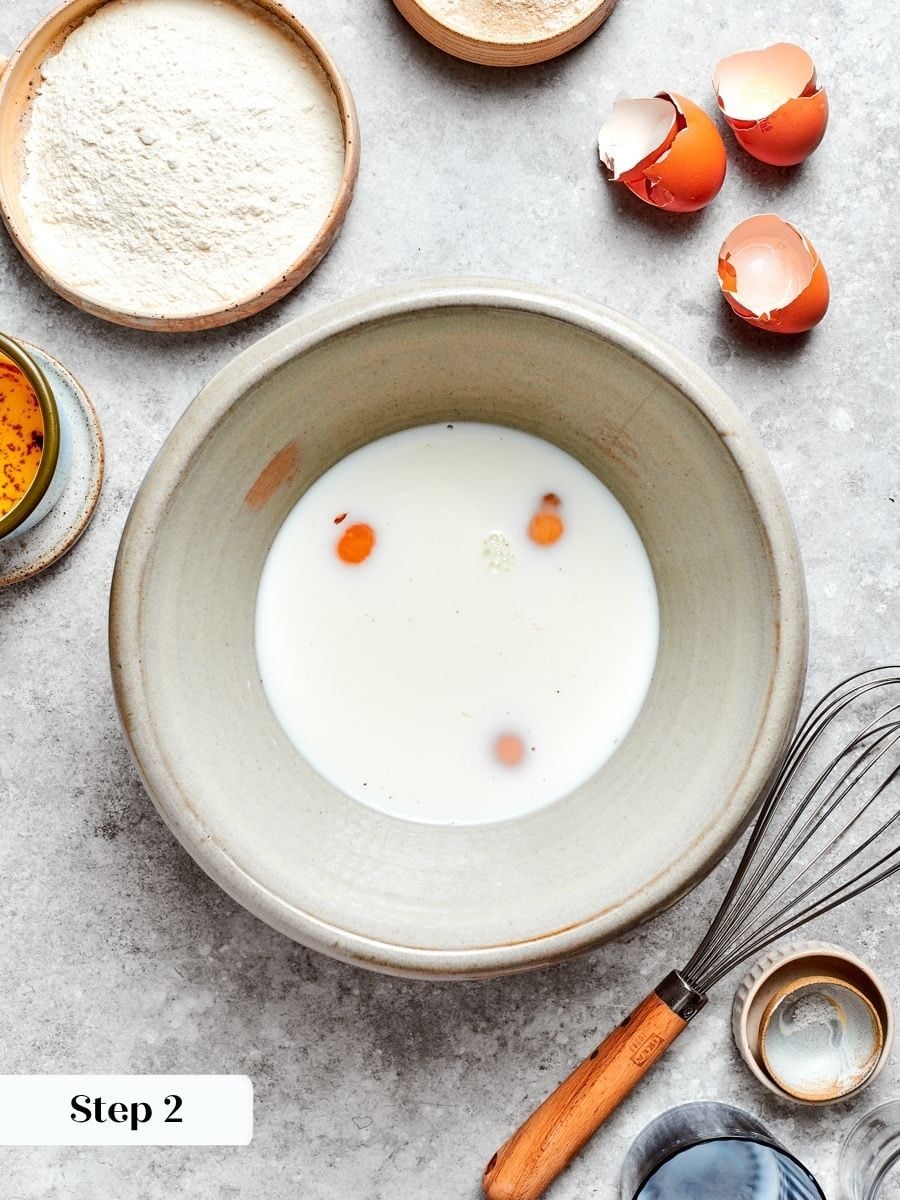
Step 2: Blend the wet ingredients. Combine the milk, water, eggs, salt, and sugar in a large bowl and blend with an immersion blender until fully combined, about 20 to 30 seconds. (photo 2).
If you do not have an immersion blender, whisk vigorously until the eggs are completely incorporated and the mixture looks uniform.
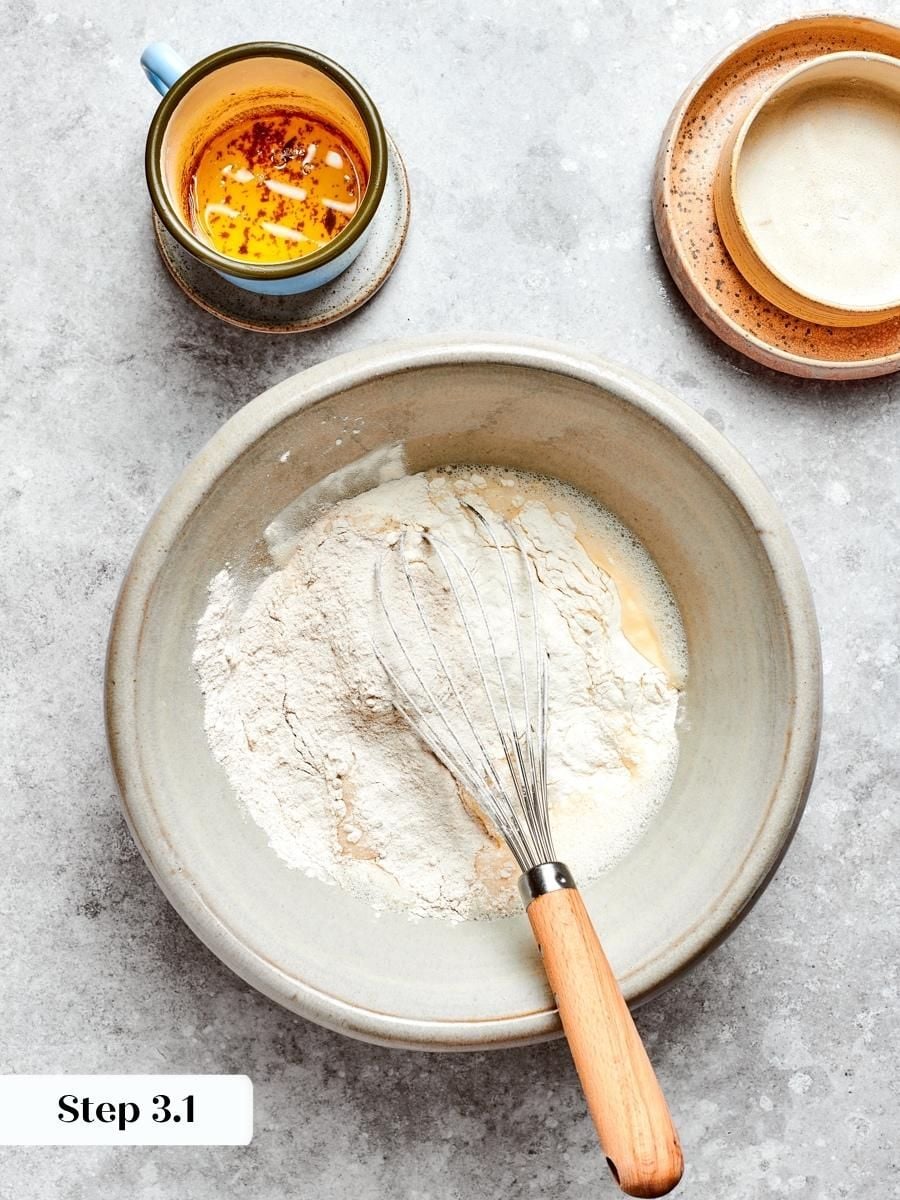
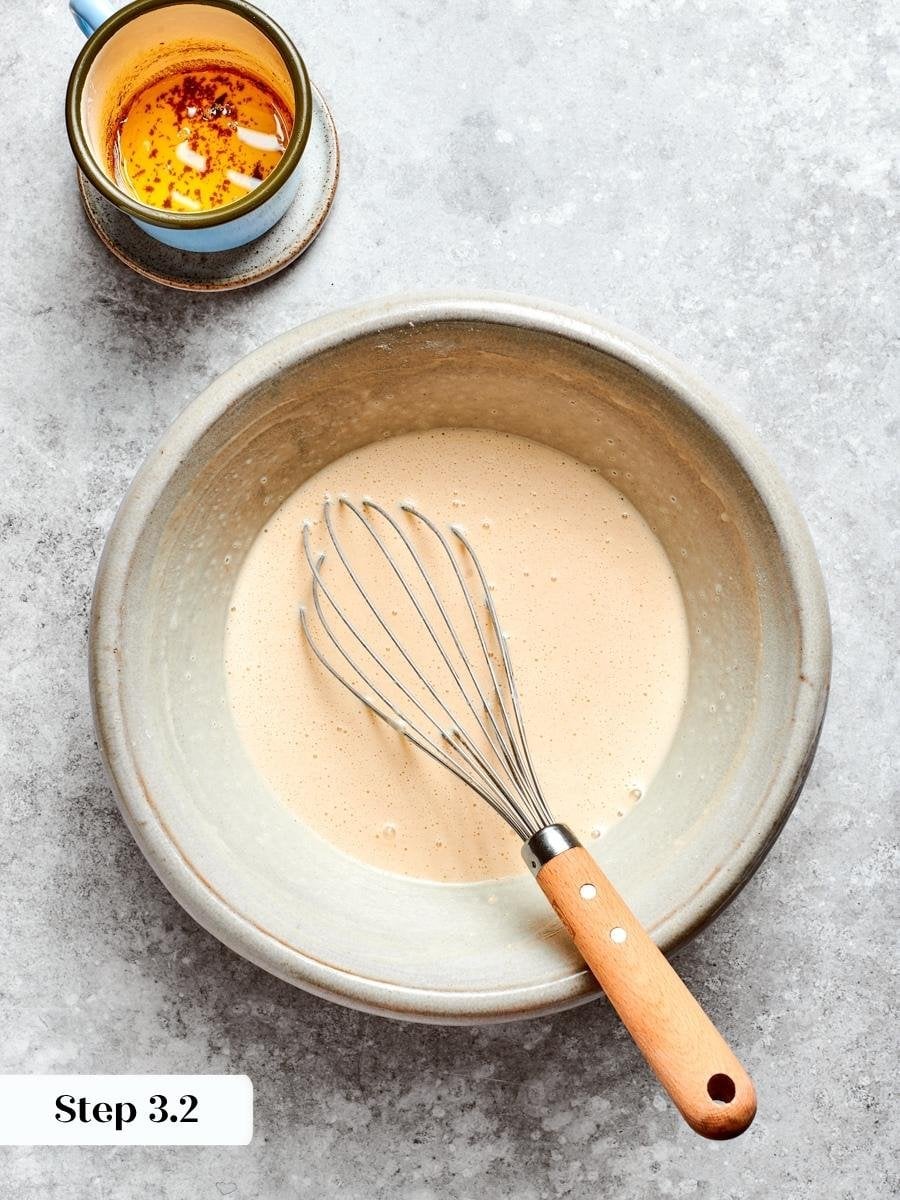
zStep 3: Add the flours and blend until smooth. Add the buckwheat flour and all-purpose flour directly to the wet ingredients and blend again until the batter is completely smooth with no dry pockets. (photos 3 & 4).
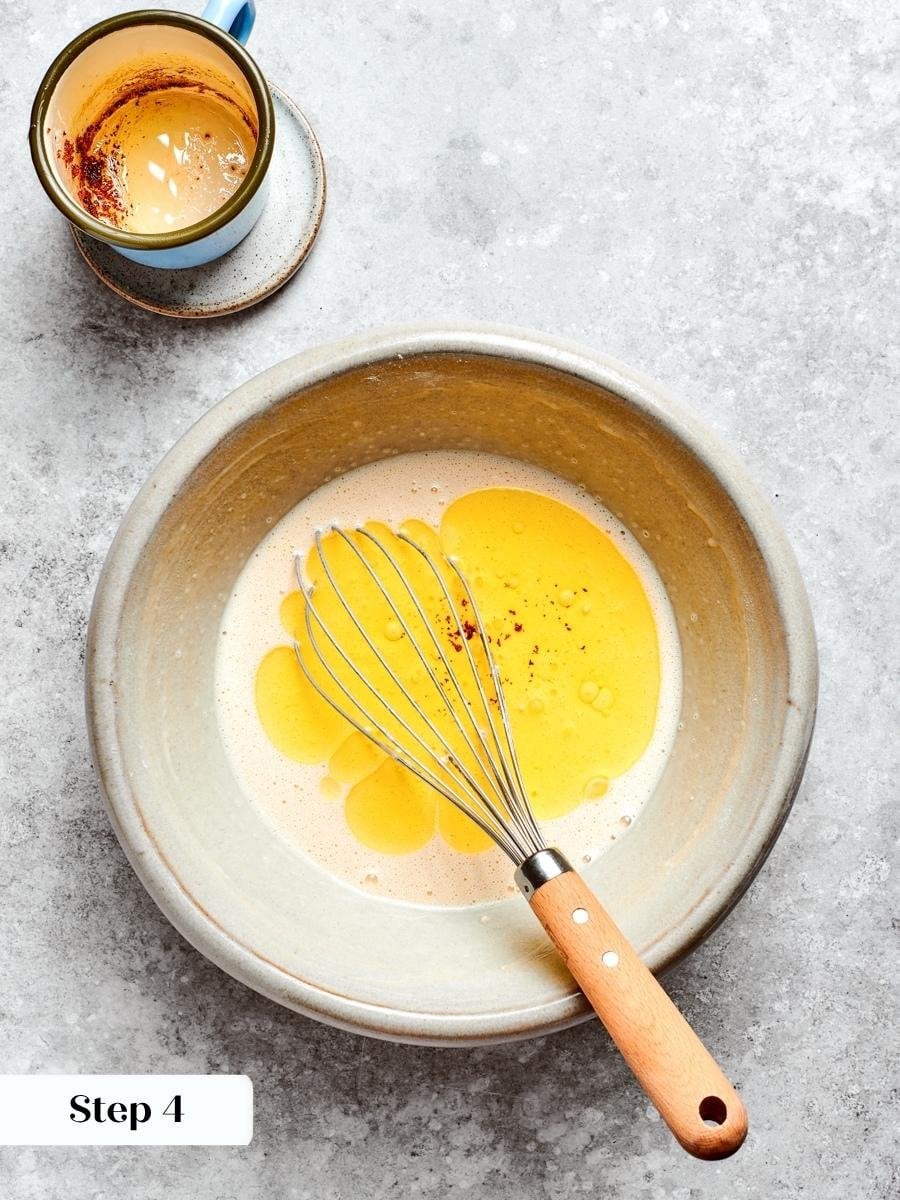
Step 4: Stream in the brown butter and blend to combine. Pour the cooled brown butter into the batter and blend until fully incorporated. The batter should look smooth and slightly glossy at this point, with small flecks of buckwheat visible throughout. (photo 5).
Step 5: Rest the batter. Transfer the batter to the refrigerator and let it rest for at least 2 hours, though overnight is strongly preferred.
When you are ready to cook, pull the batter out 30 to 60 minutes ahead so it can come closer to room temperature. Cold batter hitting a hot pan sets unevenly and makes swirling much harder.
Cook the Crêpes
Step 6: Heat the pan and butter it once. Set a crepe pan or a 10-inch nonstick skillet over medium heat and let it warm for a full minute before you start. Brush or rub the pan with a small amount of butter for the first crepe only.
That first crepe will add its own butter to the pan, and adding more butter will cause the edges to fry rather than set.
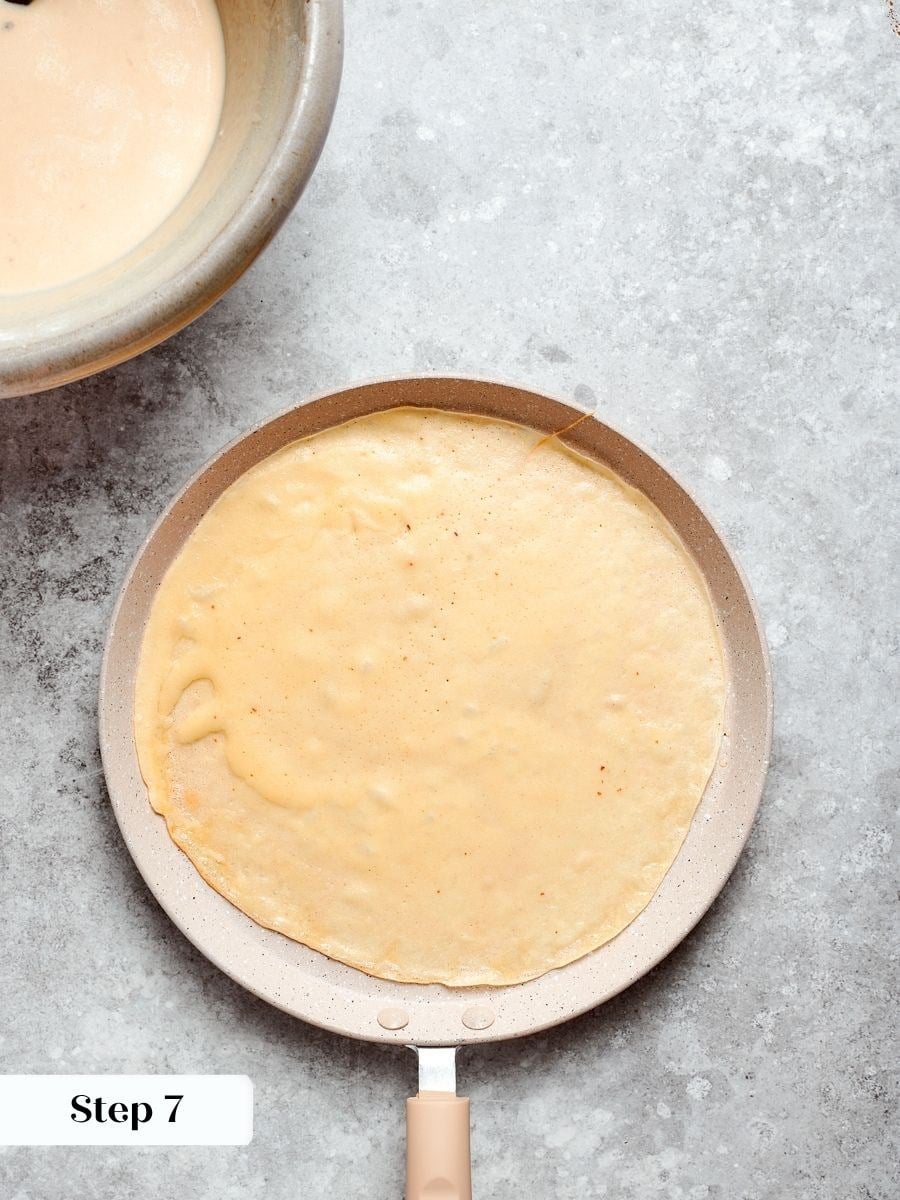
Step 7: Ladle and swirl the batter. Pour about ¼ cup of batter (or a 2-ounce ladle) into the center of the pan, then immediately lift the pan and swirl it in a circular motion to spread the batter in a thin, even layer out to the edges.
Work quickly here: the batter begins setting within seconds of hitting the hot surface, and hesitating means a thicker, uneven crepe. (photo 6).
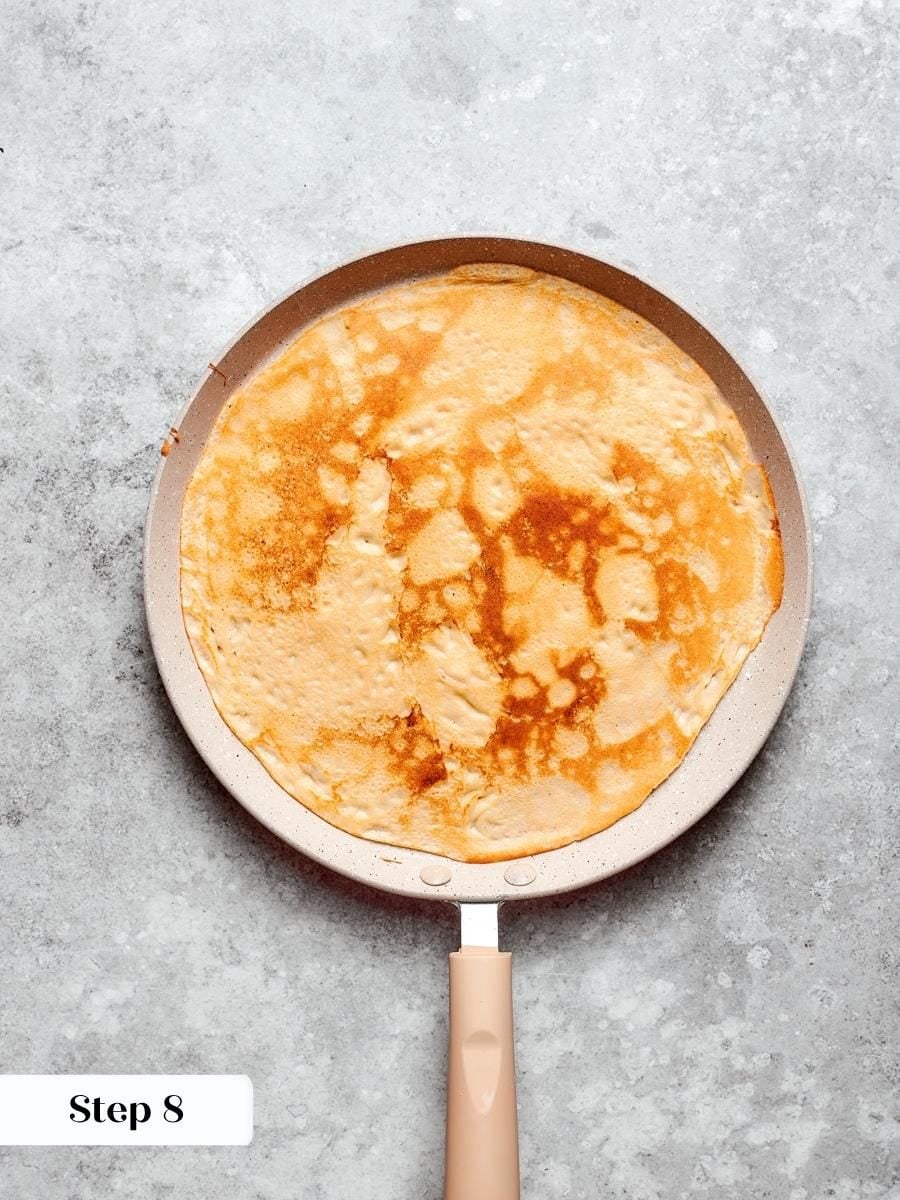
Step 8: Cook the first side until the edges brown, then flip. Let the crepe cook for 1 to 2 minutes without touching it. You will know it is ready to flip when the edges lift slightly and turn a deeper, toasted brown, and the surface of the crepe loses its wet sheen. Slide a crepe flipper or offset spatula underneath and flip in one confident motion. (photo 8).
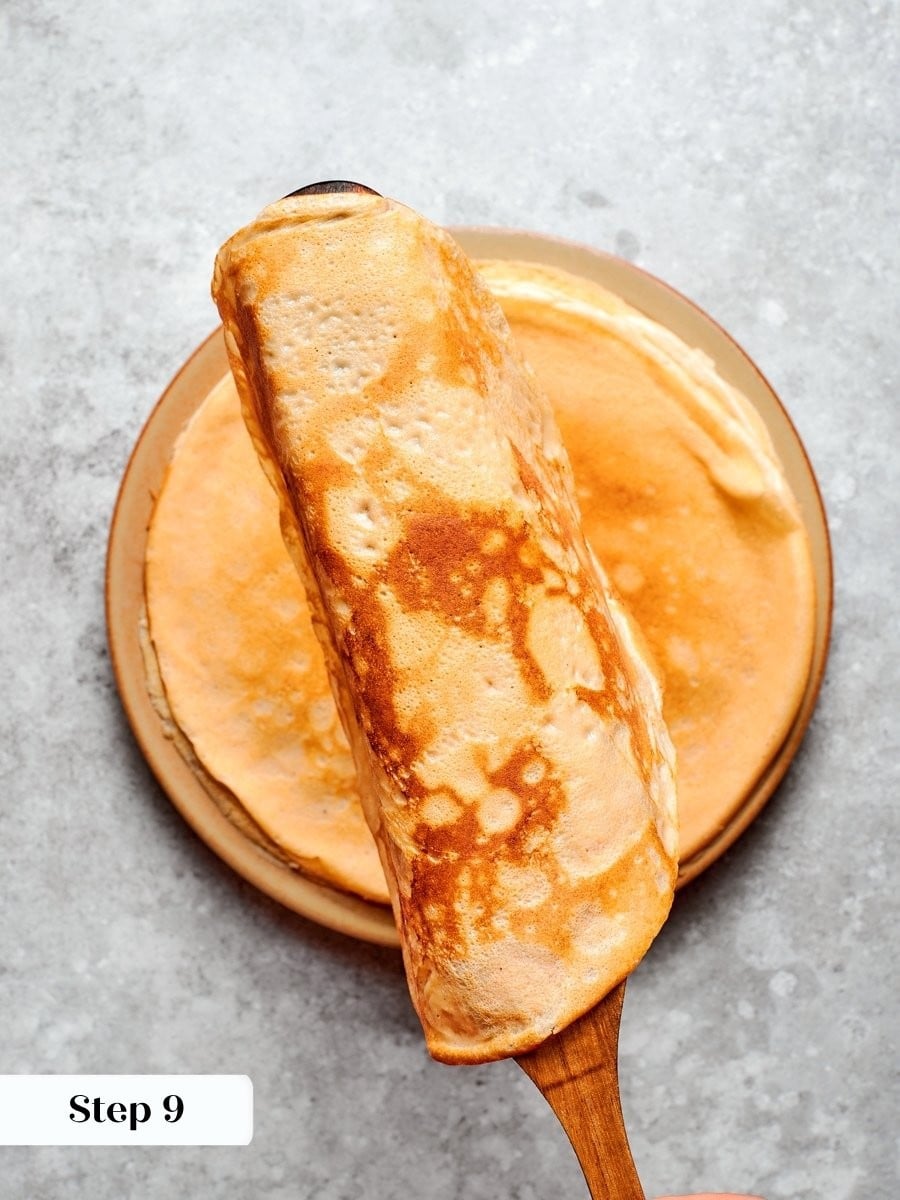
Step 9: Finish the second side. Cook for 30 seconds on the second side. The crepe will not color as dramatically on this side, which is completely normal. Transfer it to a wire rack and repeat with the remaining batter. (photo 7).
Step 10: Cool completely before stacking or storing. Let the crepes cool in a single layer on wire racks before stacking them. Once fully cooled, layer them between sheets of parchment and stack as tightly as you like. They keep well in the refrigerator for several days or in the freezer for up to 1 month. (photo 8)
Chef Lindsey’s Recipe Tip
The single most important thing you can do for these crepes is let the batter rest overnight. A short rest hydrates the flour, but overnight is when the flavor actually develops — the batter thins out, the buckwheat settles, and the crepes you cook the next morning are noticeably silkier and more complex than anything you could get from a two-hour rest.
Recipe FAQs
Resting allows the flour to fully hydrate and the gluten to relax, which produces a thinner, more fluid batter that spreads easily in the pan. Overnight rest also gives the buckwheat flavor time to deepen in a way that a two-hour rest does not. I tested this at multiple rest times and the overnight batter was the clear winner every time.
Yes. The batter keeps refrigerated for up to two days, so you can mix it one evening and cook over the next day or two. Remove it from the refrigerator 30 to 60 minutes before cooking to take the chill off. A cold batter hitting a hot pan can cause uneven spreading, so the brief rest at room temperature matters.
Once cooled, stack the crepes with parchment between each one to prevent them from fusing together. They freeze well for up to a month. Stacking warm or unseparated crepes is the most common storage mistake — they fuse and tear when pulled apart.
I highly recommend a crêpe pan. This crepe pan is my favorite! You can make these with a nonstick skillet if that’s what you have. Just be sure there aren’t any scratches in the nonstick lining.
If you tried this recipe and loved it please leave a 🌟 star rating and let me know how it goes in the comments below. I love hearing from you; your comments make my day!
Other Recommended Appetizers!

Appetizers
Gougères

Chicken Recipes
Gochujang Chicken

Chicken Recipes
Air Fryer Chicken Tenders

Appetizers
Tzatziki Recipe

Buckwheat Crepes
Ingredients
- 1 cup whole milk
- ½ cup water
- 3 large eggs
- ¾ teaspoon kosher salt
- 2 teaspoons granulated sugar
- ¾ cup all-purpose flour
- ½ cup buckwheat flour
- ¼ cup unsalted butter
Instructions
- Melt the butter in a small saucepan over medium-high heat, stirring frequently, until it browns and smells nutty. Reduce heat to medium and stir constantly once browning begins. Pour into a bowl and cool slightly.
- Combine milk, water, eggs, salt, and sugar in a large bowl. Immersion blend or vigorously whisk until combined.
- Add both flours and blend until smooth.
- Add the brown butter and blend to combine.
- Cover and refrigerate the batter for at least 2 hours, or overnight. Remove from the fridge 30 to 60 minutes before cooking.
- Heat a crepe pan over medium heat. Butter the pan once for the first crepe only.
- Ladle about ¼ cup (2 ounces) of batter into the pan and swirl immediately to coat the edges in a thin, even layer.
- Cook 1 to 2 minutes until the edges begin to brown and the surface looks set. Flip gently with a crepe flipper or offset spatula.
- Cook 30 seconds on the second side. Transfer to a wire rack to cool completely.
- Repeat with remaining batter. Store cooled crepes stacked between sheets of parchment.
Notes
Batter Consistency: After resting, the batter should flow like heavy cream. If it has thickened, whisk in cold water one tablespoon at a time until it reaches the right consistency.
Pan Butter: Butter the pan only for the first crepe. Subsequent crepes do not need additional butter and will cook more evenly without it.
Storage: Cool completely before stacking. Separate each crepe with parchment and freeze for up to 1 month.
Nutrition
Before You Go
These buckwheat crepes are one of those recipes worth keeping in regular rotation, whether you fill them with something savory for brunch or fold them around fruit and cream for dessert. Browse more ideas in Breakfast Recipes or make these whole wheat pancakes next!