
This post may contain affiliate links. Please read our disclosure policy.
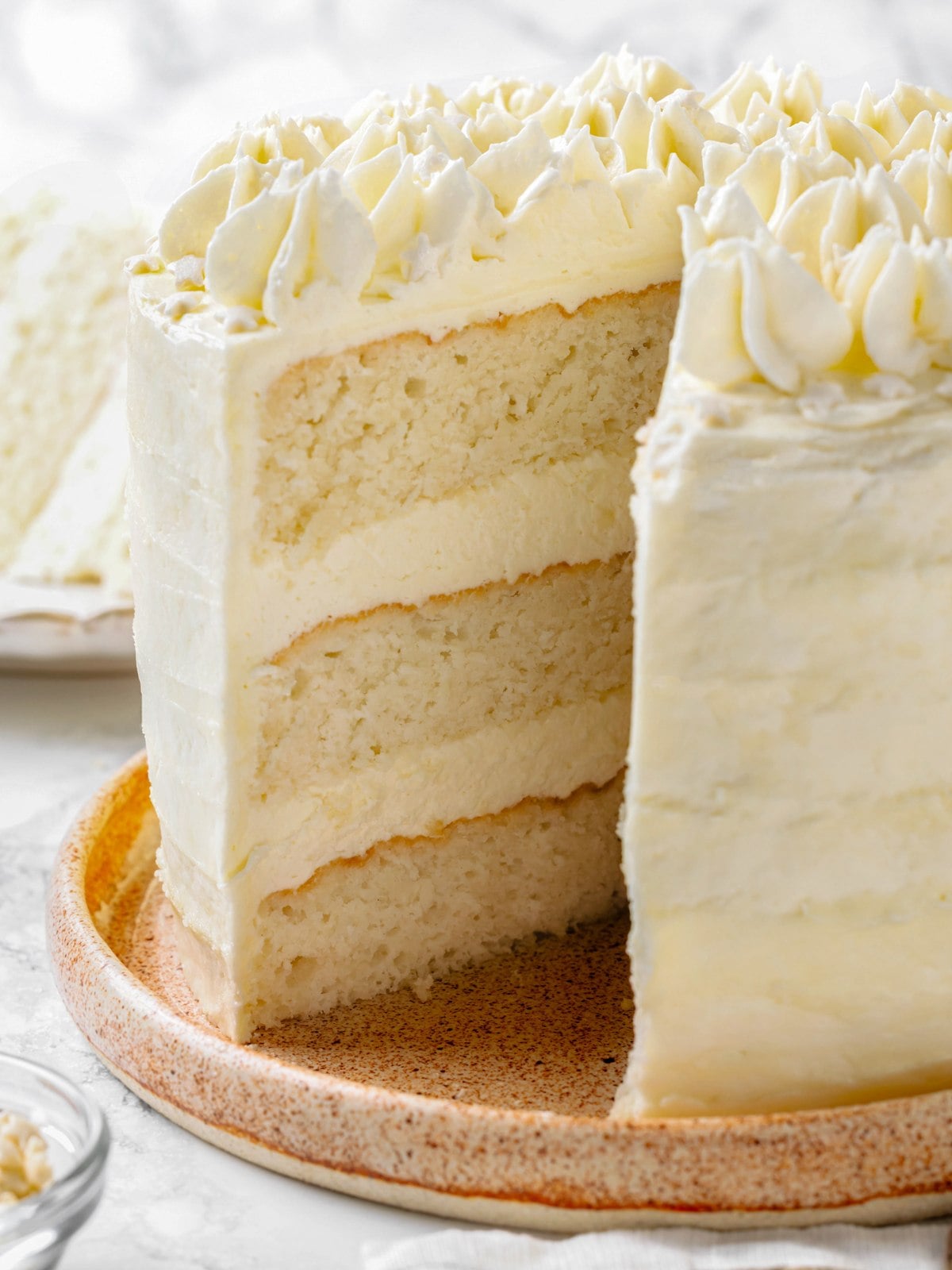
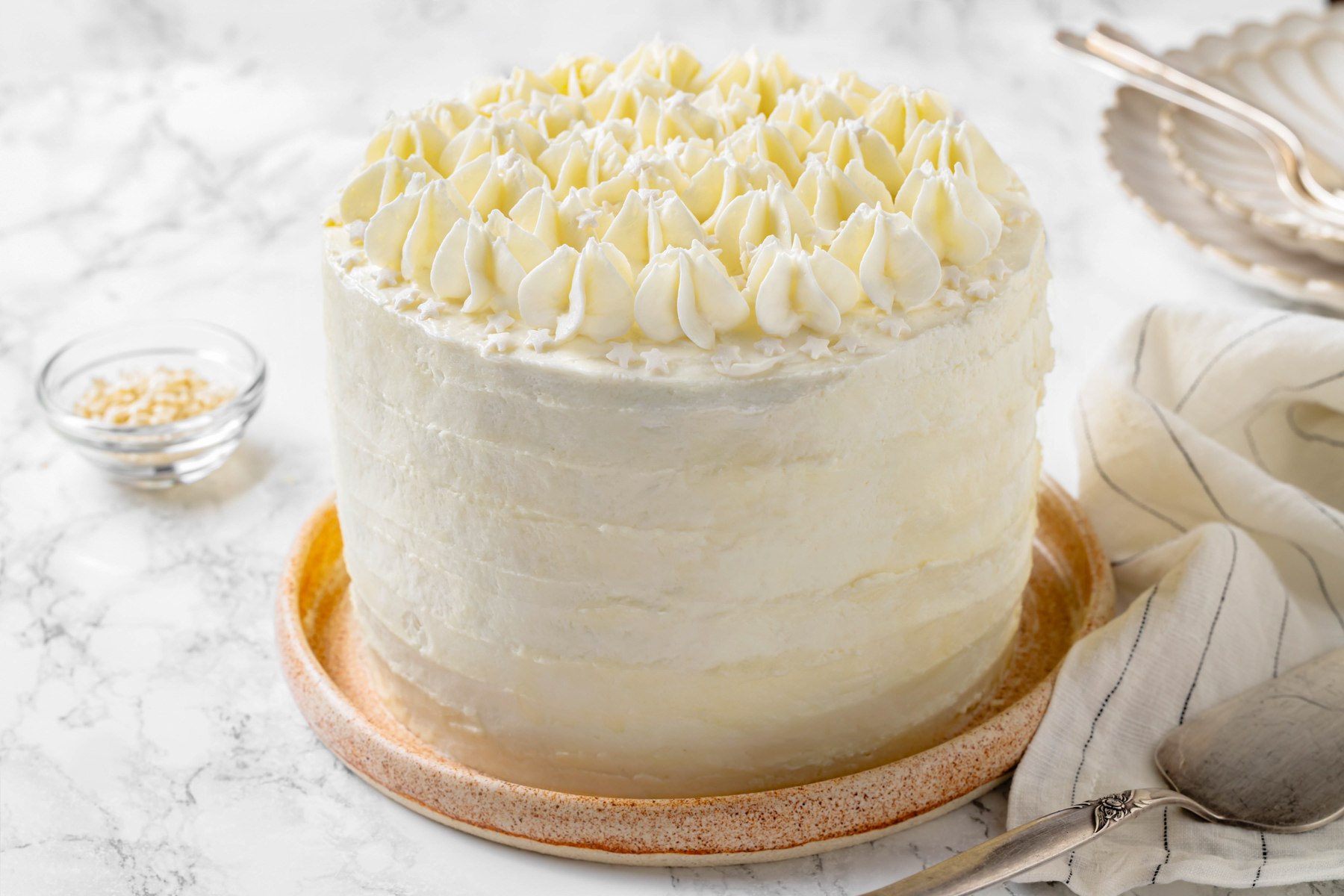
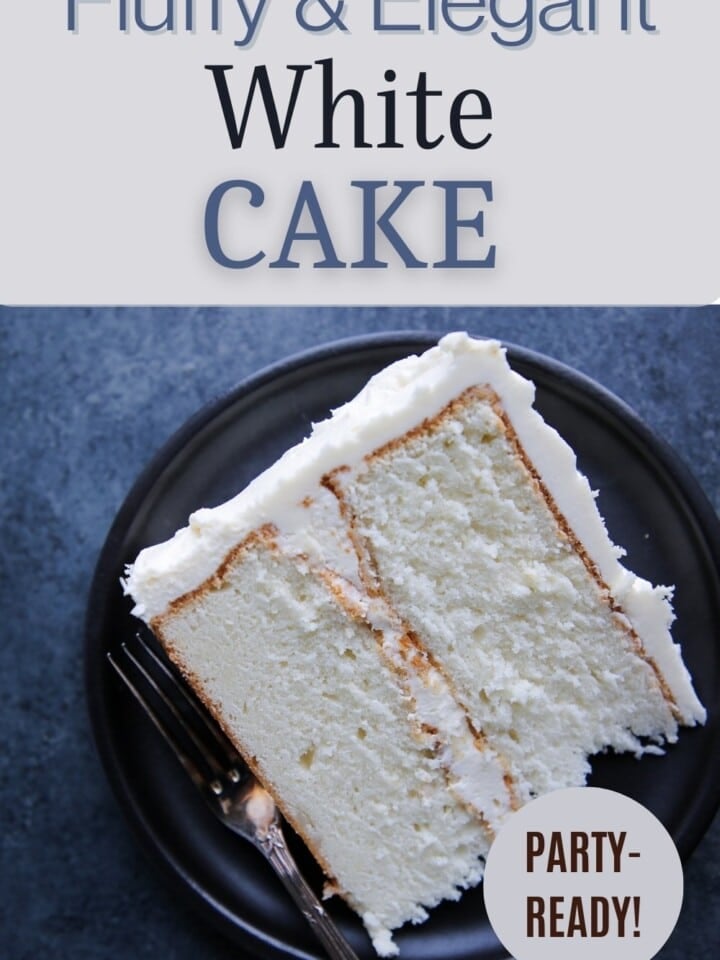
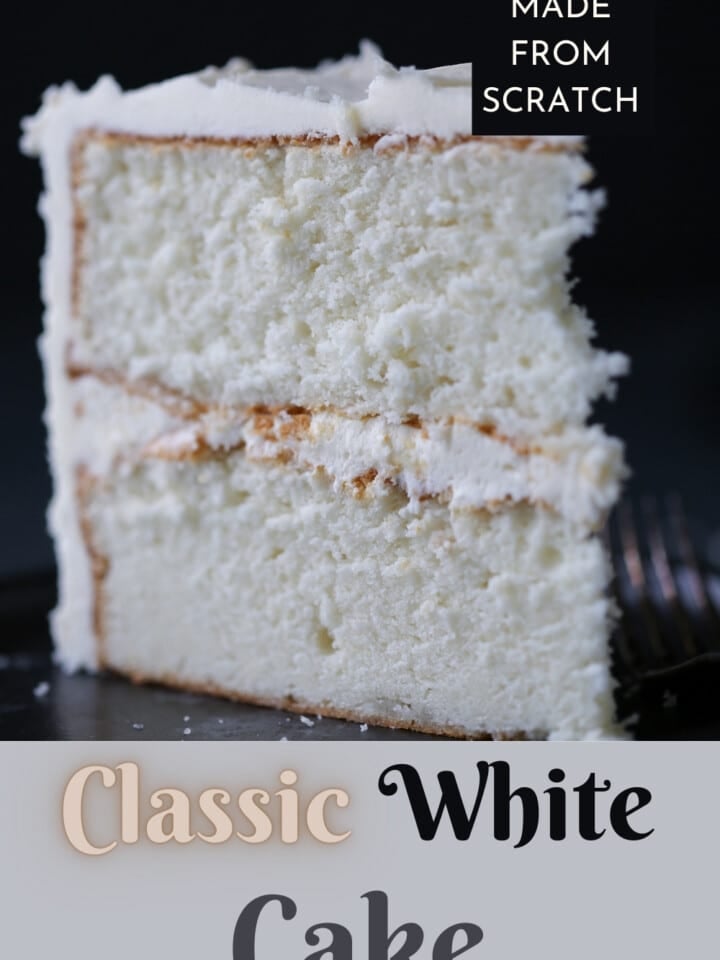
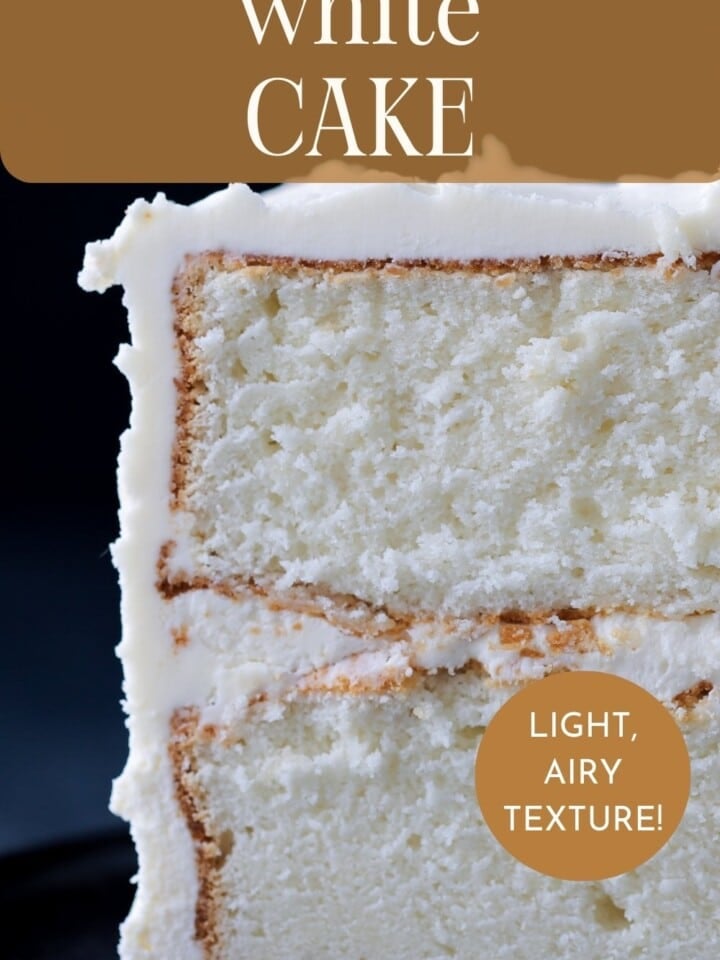
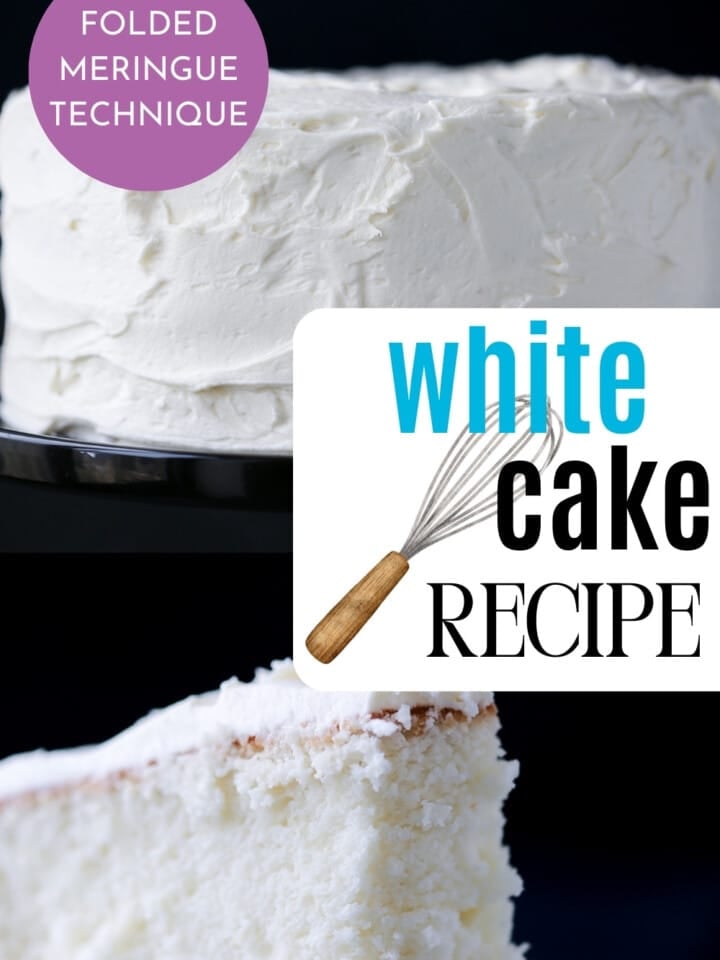
This white cake recipe is the lightest, whitest, fluffiest cake you’ll ever bake. Frost it with buttercream for birthdays, holidays, or the perfect end to any gathering.
A Quick Look At The Recipe
This is a brief summary of the recipe. Jump to the recipe to get the full details.
Jump to RecipePrep Time
35 minutes
Cook Time
18 minutes
Chill
40 minutes
Total Time
1 hour 33 minutes
Servings
20 slices
Difficulty
Intermediate
Calories *
299 kcal per serving
Technique
Whip egg whites to stiff peaks, cream butter and sugar separately, then fold the meringue into the batter in stages for maximum lift
Flavor Profile
Clean vanilla, light butter, delicate almond undertone
* Based on nutrition panel
I made this for my daughter’s wedding cake and could not believe how well it held up through the whole event. The layers were perfectly even and the crumb was so light without being fragile. I have baked my whole life and this is the best white cake I have ever made. ⭐⭐⭐⭐⭐
Patricia
Why This Recipe Works
- Delicate cloud-like texture. The special folding technique with whipped egg whites gives the cake batter extra airiness you’re going to love.
- Naturally white, light, AND fluffy. This is a classic white cake recipe in all its splendor. You won’t find any artificial whiteners in this from-scratch recipe! Trust me, once you taste this, you’ll want to skip the box mix for good!
- Fat from butter and sour cream adds richness without weight. Sour cream contributes both fat and acidity, which tenderizes the crumb and balances the sweetness of a white cake.
- A true white cake uses no yolks. Omitting the yolks keeps the color bright and the flavor clean, so whatever frosting or filling you choose reads clearly against a neutral base.
Table of Contents
The classics never go out of style, and this tender white cake proves it. With a light, fluffy texture and moist crumb, this cake melts in your mouth and is the perfect fit for literally any occasion! It’s flavored lightly with vanilla and almond so it’s not too sweet. I’ve gone through all the years of development so you can get bakery-quality results without any of the drama!
This white cake uses the meringue folding technique I perfected when making my coconut cupcakes. If you are pairing this with a classic frosting, my Swiss Meringue Buttercream is the match I come back to every time. It is silky, not overly sweet, and it lets the cake do the work.
Ingredients & Substitutions
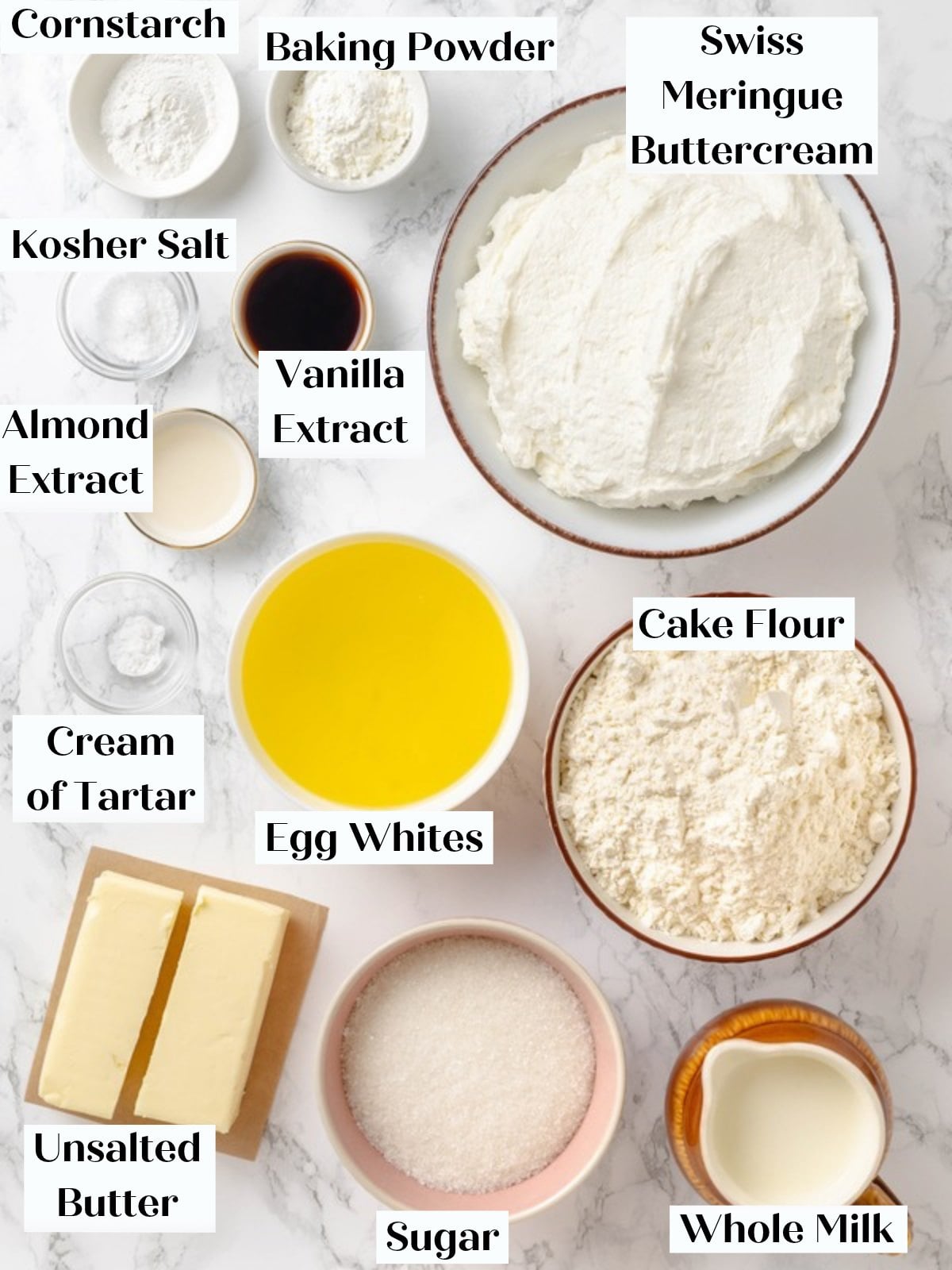
- Cake Flour: Its low protein content produces a fine, tender crumb essential for a white cake.
- Baking Powder: Provides the primary chemical lift alongside the meringue. Make sure yours is fresh; a clump-free test in cold water should produce immediate bubbles.
- Unsalted Butter: Gives the cake its richness and structure. It must be soft and pliable, not melted or cold, so it creams properly with the sugar and traps air from the start.
- Sugar: Used twice in this recipe, once to cream with the butter and once to build the meringue. The quantities are different for each purpose, so keep them separate until needed.
- Vanilla Extract and Almond Extract: Together, these define the flavor of a classic white cake. The almond extract is subtle but essential; it rounds out the vanilla and gives the cake that bakery-familiar depth that most people cannot quite name.
- Egg Whites and Cream of Tartar: The egg whites are whipped separately into a stiff meringue, which is what gives this cake its lift and bright white interior. Cream of tartar stabilizes the meringue so it holds its structure when folded into the batter.
- Buttercream: Your choice! Vanilla American buttercream, chocolate buttercream frosting, Swiss meringue buttercream, or Italian meringue buttercream would all be winners.
See the recipe card for full information on ingredients and quantities.
Variations on This White Cake
- Funfetti. Fold sprinkles into the finished batter just before portioning into pans—I love this for birthdays when the occasion calls for something a little celebratory without changing the cake’s flavor. You can also make this funfetti cake.
- Add a filling. Use the buttercream as a dam and fill the layers with strawberry slices, salted caramel sauce, mixed berry jam, or easy cherry preserves.
- Make a lemon-vanilla white cake. Add some finely grated lemon zest into the sugar before creaming. This should be subtle enough to not impact your texture or color!
- Tip the ratio towards almond. Increase the almond extract by ¼ teaspoon and decrease the vanilla. This will get you a more almond-forward version! And, if you love almond, you’ll also adore my cherry almond pound cake.
Professional Tips
- Do not skip the meringue sacrifice. Taking about a quarter of the meringue and folding it aggressively into the batter first is what makes folding possible. If you try to fold the stiff meringue directly into the full batter, you will deflate it trying to get the two textures to cooperate.
- Cream the butter and sugar long enough. The mixture should look pale, almost white, and noticeably fluffy before you add anything else. This takes at least 5 minutes and often longer depending on how soft your butter was. I have tested this at shorter intervals, and the difference in crumb texture is real.
- Alternate the flour and milk without waiting for full incorporation. Adding the next round before the previous one is fully mixed in keeps the batter from developing too much gluten. Stop the mixer before the last addition of flour is fully incorporated and finish by hand with a spatula.
- Bake at 325°F and start checking at 14 minutes. The layers bake quickly, 14 to 18 minutes, and the window between done and overbaked is narrow. Pull them as soon as a toothpick comes out with only a few clinging crumbs: a completely clean tester usually means the cake has gone a minute too long.
How to Make White Cake
This recipe builds in two phases: the meringue comes first, then the butter cake base folds around it. Read through both before you start so you are not scrambling between bowls mid-batter.
Step 1: Prep your pans and preheat. Preheat the oven to 325°F. Spray three 8 or 9-inch round cake pans, line the bottoms with parchment, then spray again.
Make the Batter
Step 2: Sift the dry ingredients. Combine the cake flour, cornstarch, baking powder, and salt and sift them together into a bowl. Set aside. Sifting is not optional here: cornstarch tends to form pockets, and any pockets in the finished cake will show up as dense spots in your crumb.
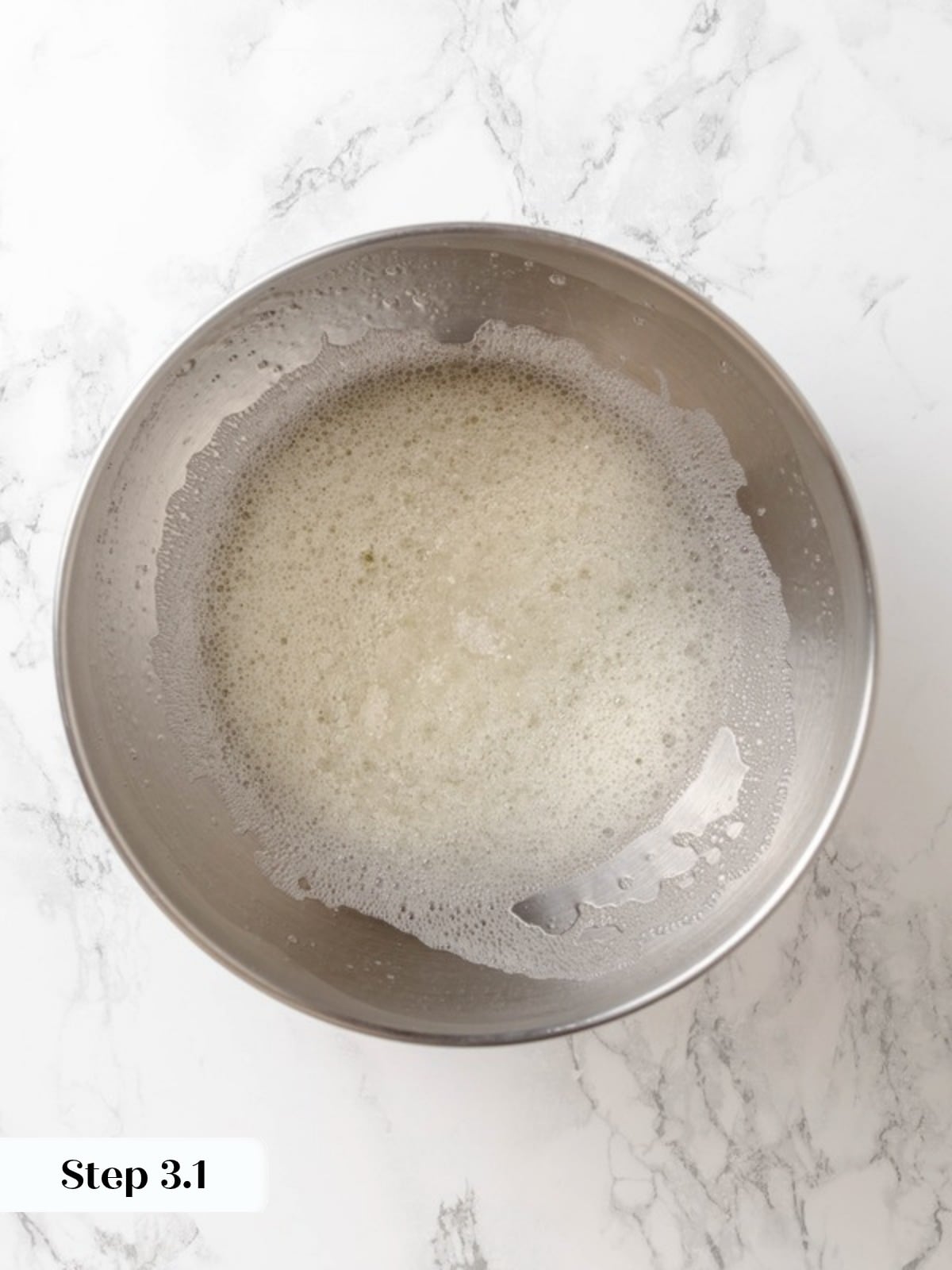
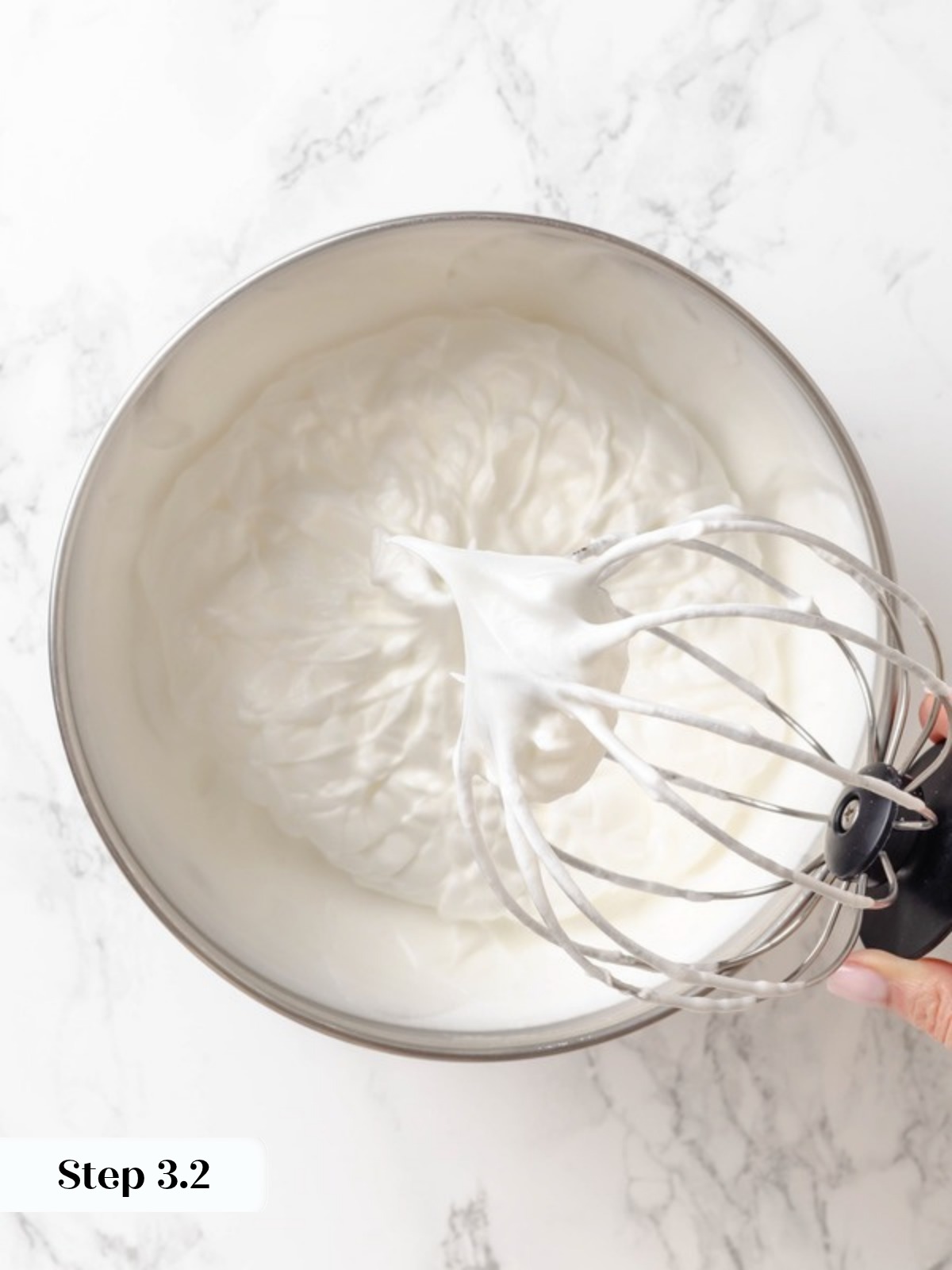
Step 3: Whip the meringue to stiff peaks. In the bowl of a stand mixer fitted with the whisk attachment, begin whisking the egg whites and cream of tartar on medium-low. Once the whites turn frothy and opaque, start adding the smaller portion of sugar (½ cup) one teaspoon at a time. Increase speed to high and beat until stiff peaks form: the whites will hold a firm, glossy point when the whisk is lifted and will not slide when you tilt the bowl. Do not walk away here. Overwhipped whites become grainy and dry, and they will tear rather than fold cleanly into the batter. (photo 1 & 2)
If your meringue looks slightly lumpy or the meringue has started to separate around the edges, that is overwhipping. Start a fresh batch of egg whites. Attempting to fold broken meringue into the batter will give you a dense, uneven cake with no real lift.
Step 4: Transfer the meringue and set it aside. Scrape the finished meringue into a clean bowl and set it aside. Do not stress about any meringue clinging to the mixer bowl, which is completely normal. You will get the majority of it, and what remains will not affect your batter.
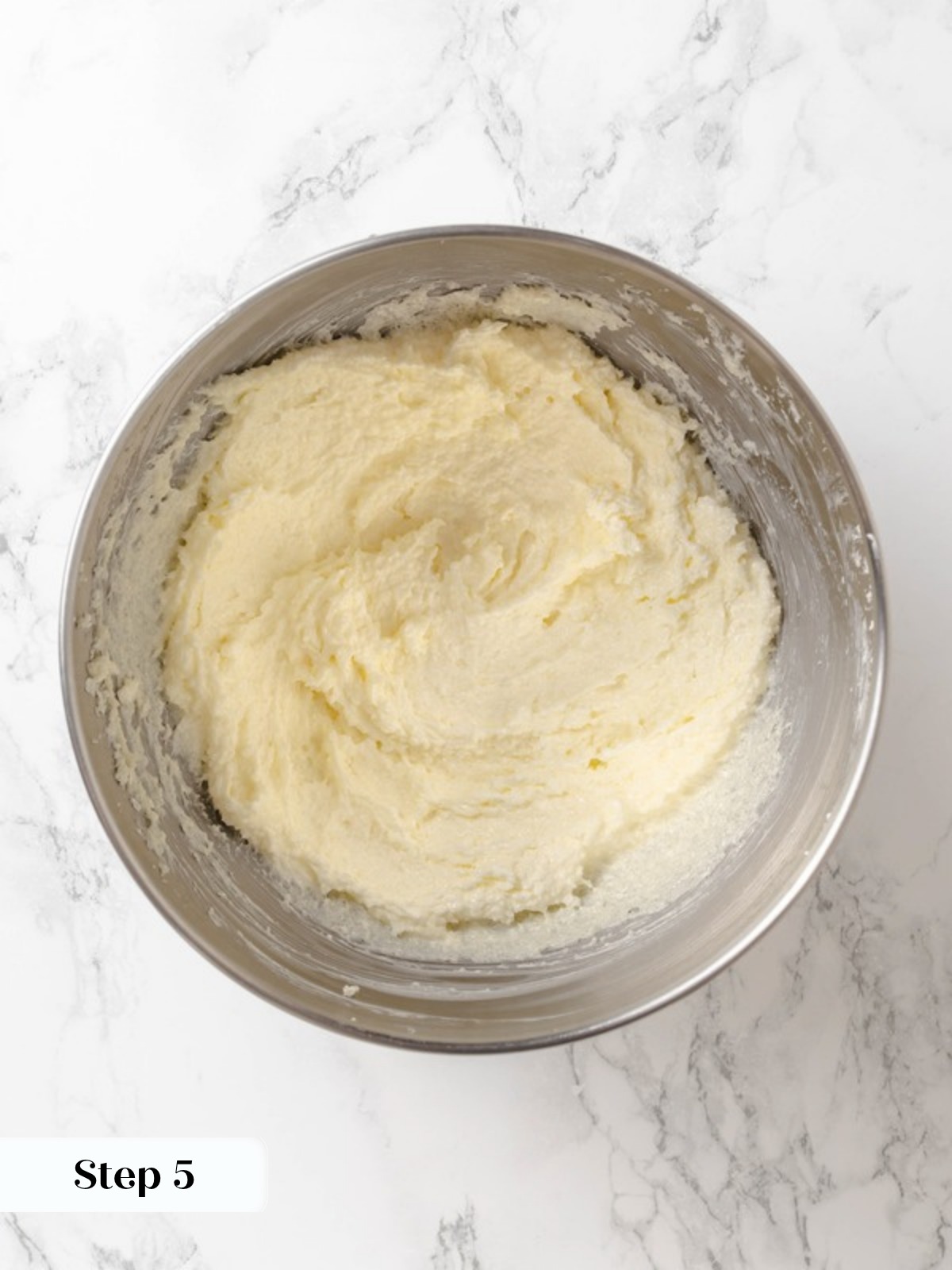
Step 5: Cream butter and sugar. Add the butter and 2½ cups of sugar to the mixer bowl (no need to wash it). Switch to the paddle attachment and cream on medium-high until the mixture is pale, fluffy, and noticeably increased in volume. (photo 3)
Undermixed butter and sugar will produce a dense, slightly gummy crumb. The mixture should look almost white and feel light when you rub a bit between your fingers.
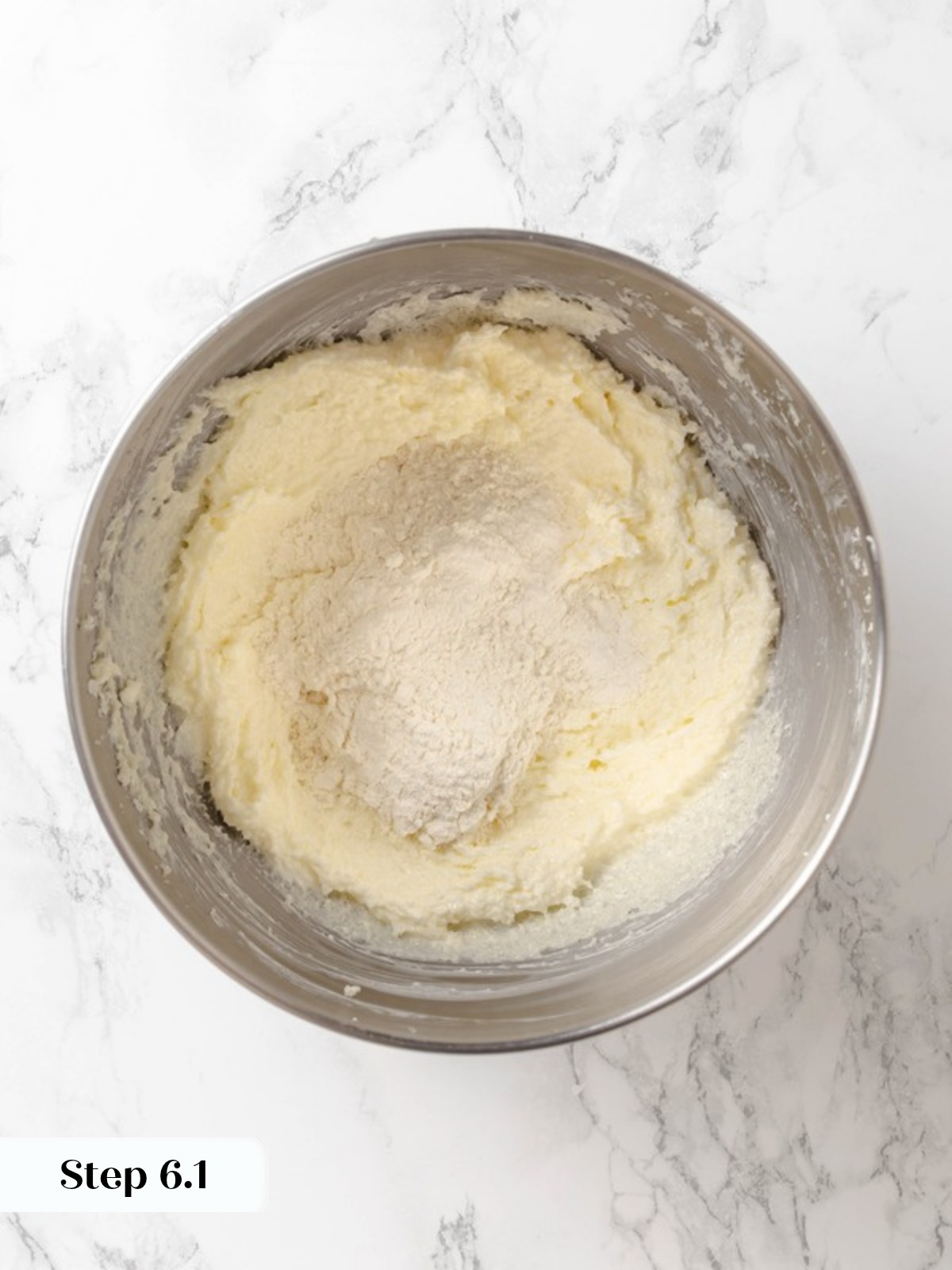
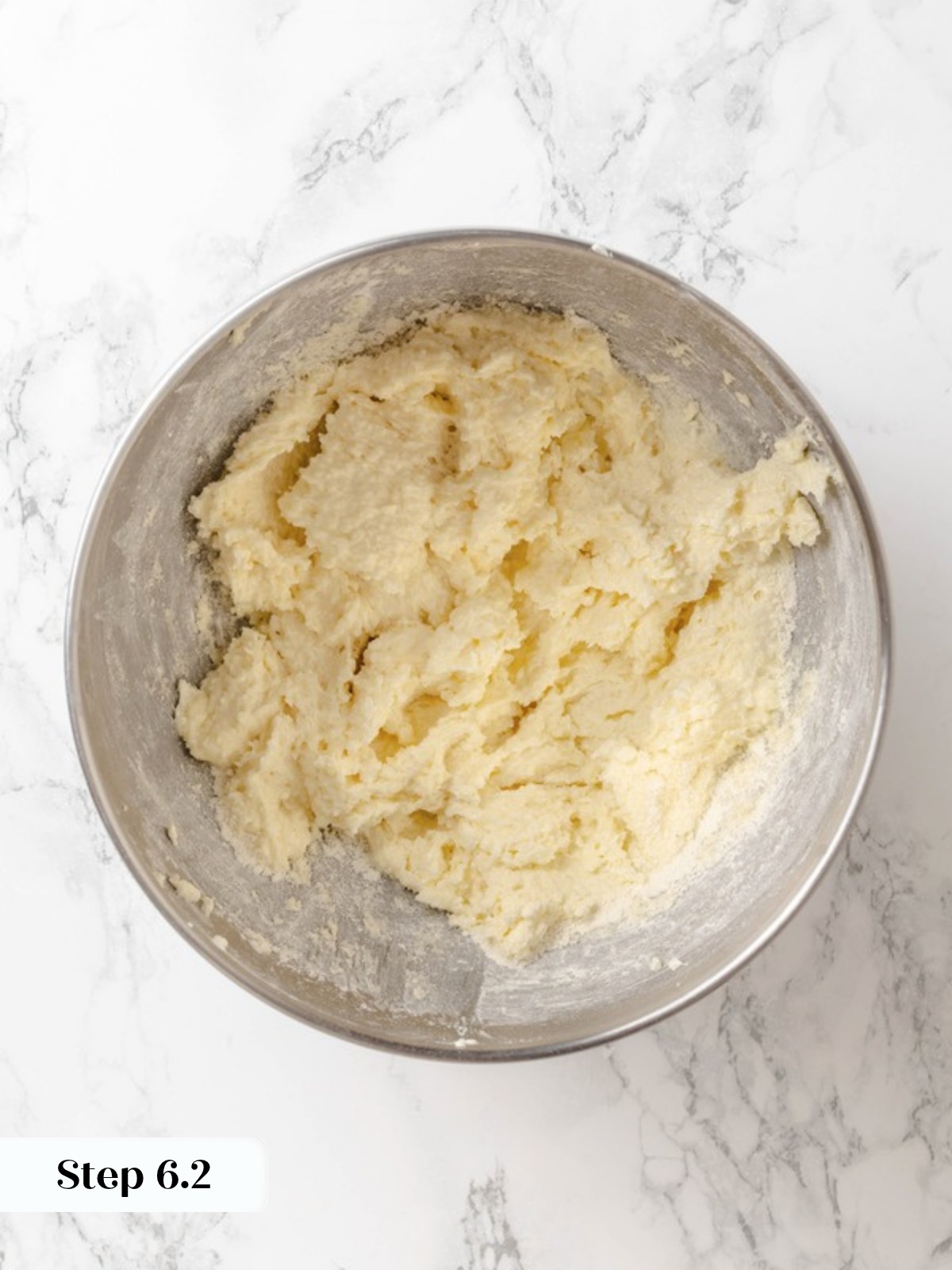
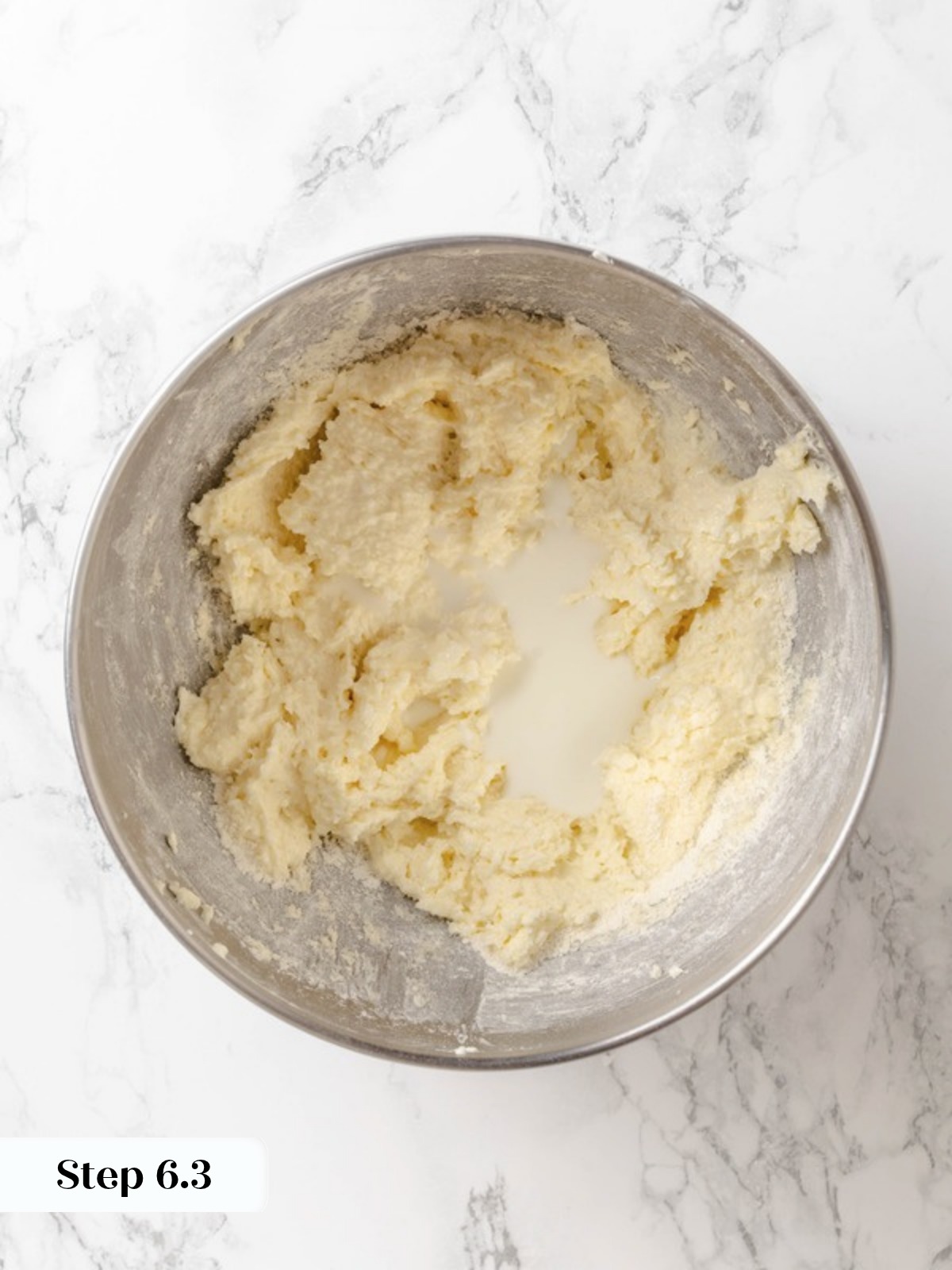
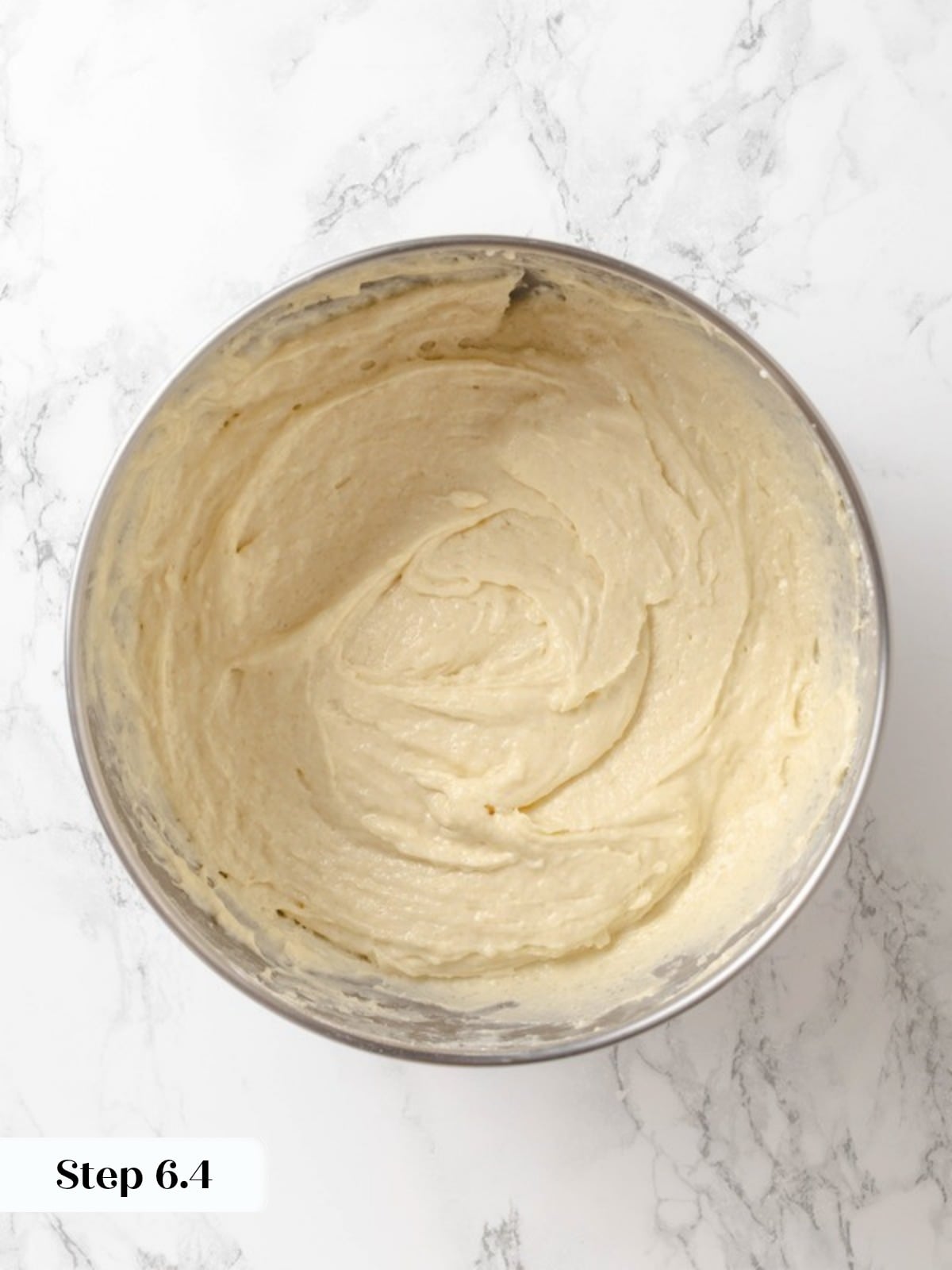
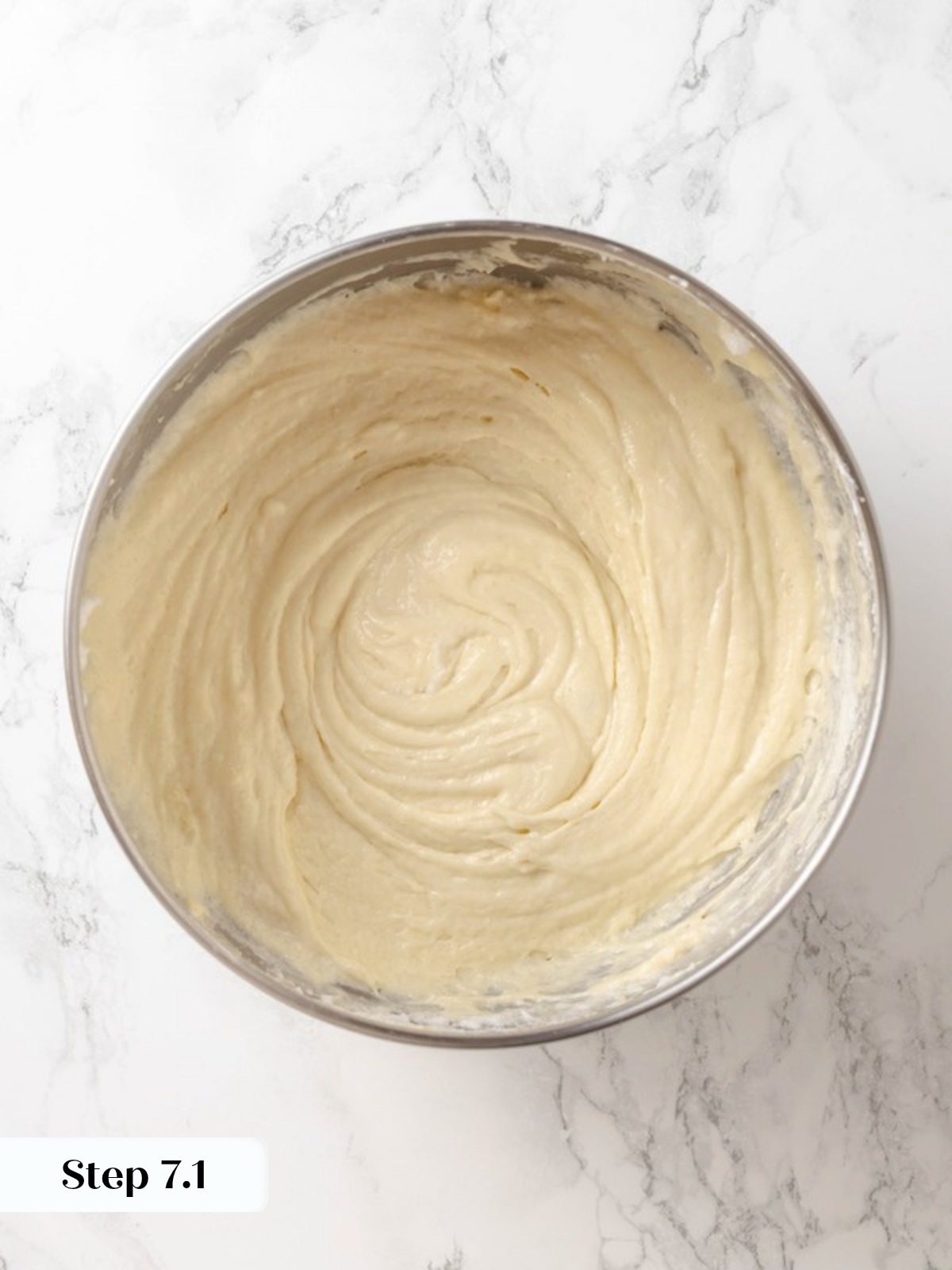
Step 6: Add extracts, then alternate flour and milk. Beat in the vanilla and almond extracts. With the mixer on low, add the flour mixture and milk in alternating additions, beginning and ending with the flour. I never let the flour fully incorporate before adding the next addition, which helps prevent overmixing and keeps the gluten from tightening. Once the last addition is in, stop the mixer, remove the bowl, scrape down the paddle, and fold in any remaining dry streaks by hand. The batter at this point will be thick and smooth. (photos 4-7)
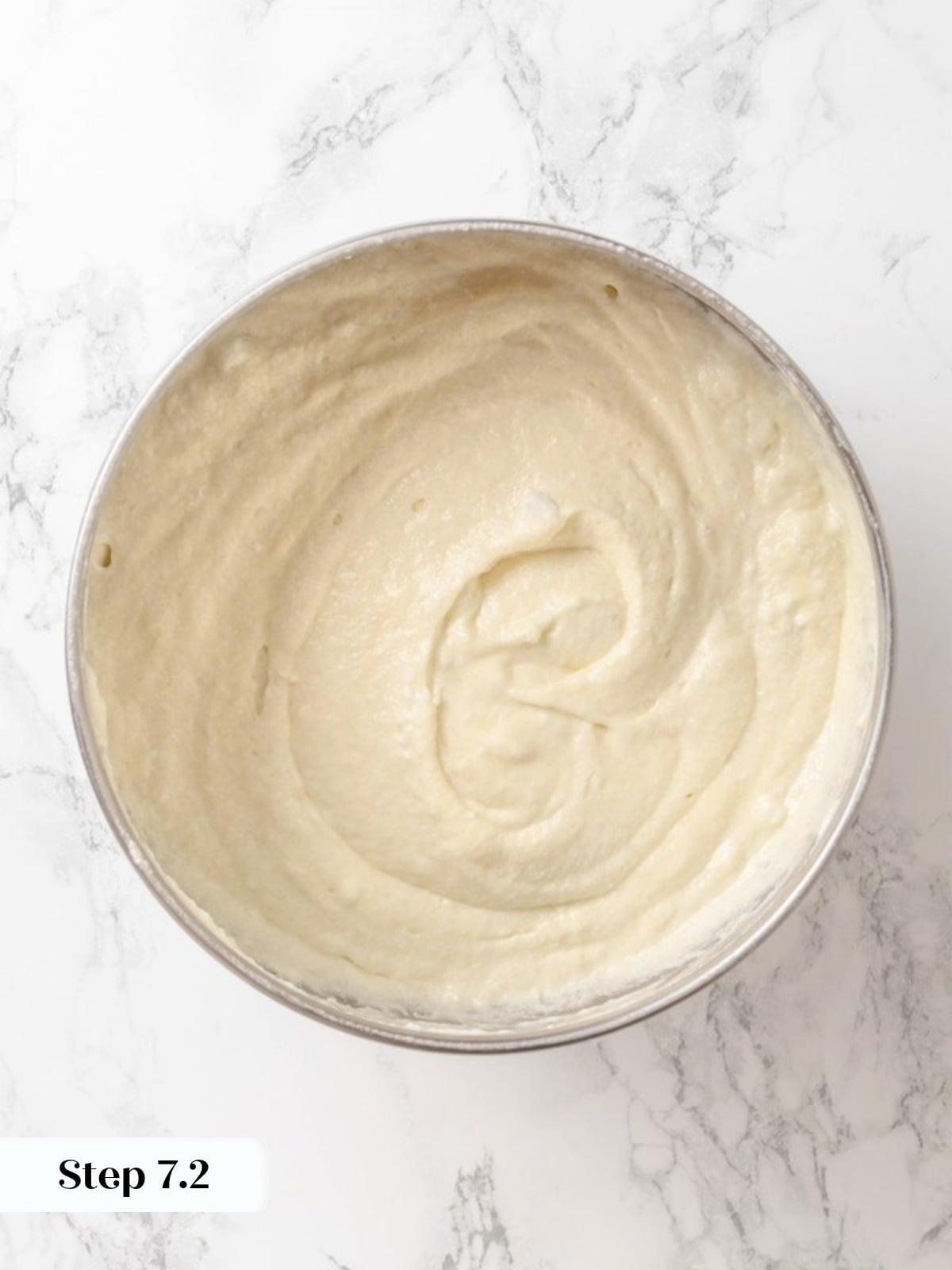
Step 7: Sacrifice a portion of meringue, then fold in the rest. Take about a quarter of the meringue and fold it into the batter aggressively. Add the remaining meringue in two or three additions, folding gently but deliberately with a wide spatula until no white streaks remain. It will look lighter and airier than a standard cake batter, which is exactly what you want to see. (photos 8 & 9)
This first addition is called sacrificing: you are deliberately deflating it to loosen the batter so the remaining meringue can be folded in without being crushed.
Divide and Bake
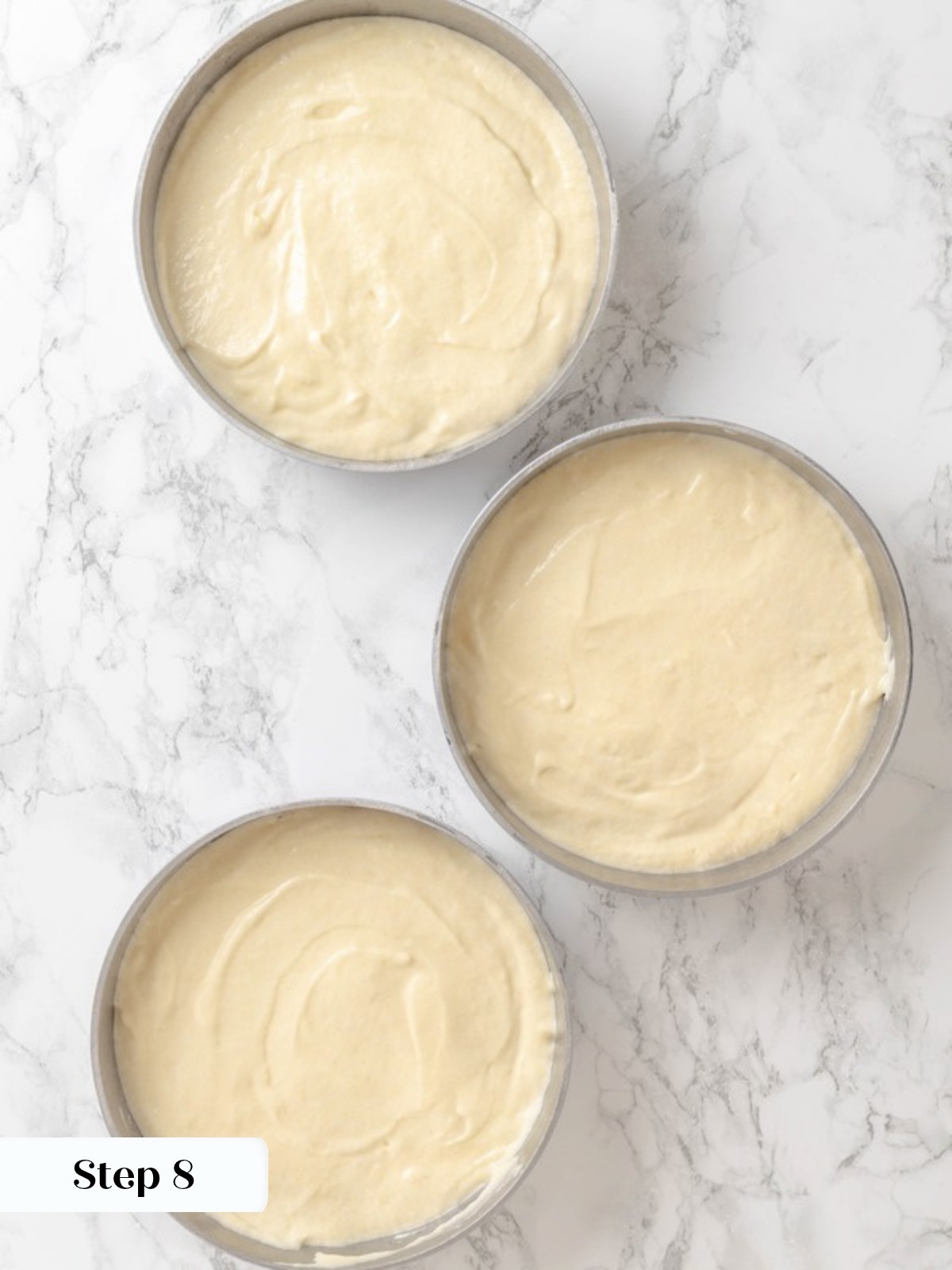
Step 8: Portion batter into prepared pans. Divide the batter evenly between the three prepared pans and smooth the tops with an offset spatula. The batter is thick enough that it will not self-level completely, so take a moment to spread it all the way to the edges. (photo 10)
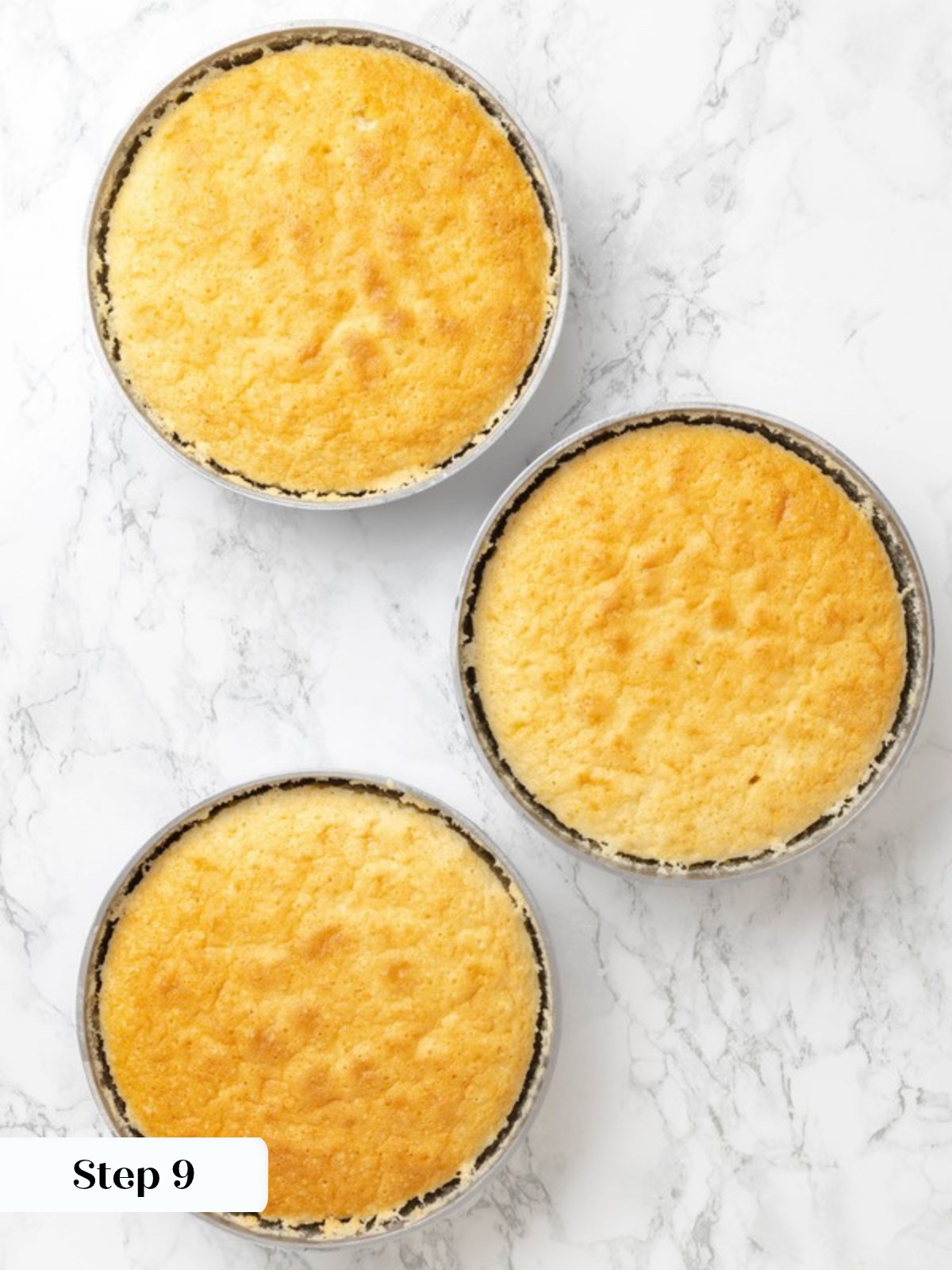
Step 9: Bake until a tester comes out with clinging crumbs. Bake at 300°F convection or 325°F conventional for 14 to 18 minutes. Start checking at 14 minutes. A toothpick or cake tester inserted in the center should come out with a few moist crumbs attached, not wet batter and not completely clean. The layers are thin, so they can go from done to overbaked quickly, which is my main warning for first-timers with this recipe. The tops should spring back lightly when pressed. (photo 11)
Step 10: Cool in pans, then turn out. Let the cakes cool in their pans for 10 minutes before running a thin knife around the edges and inverting them onto a wire rack. Peel off the parchment immediately and let the layers cool completely before assembling. Stacking warm layers will cause the buttercream to slide and the structure to shift.
Layer Cake
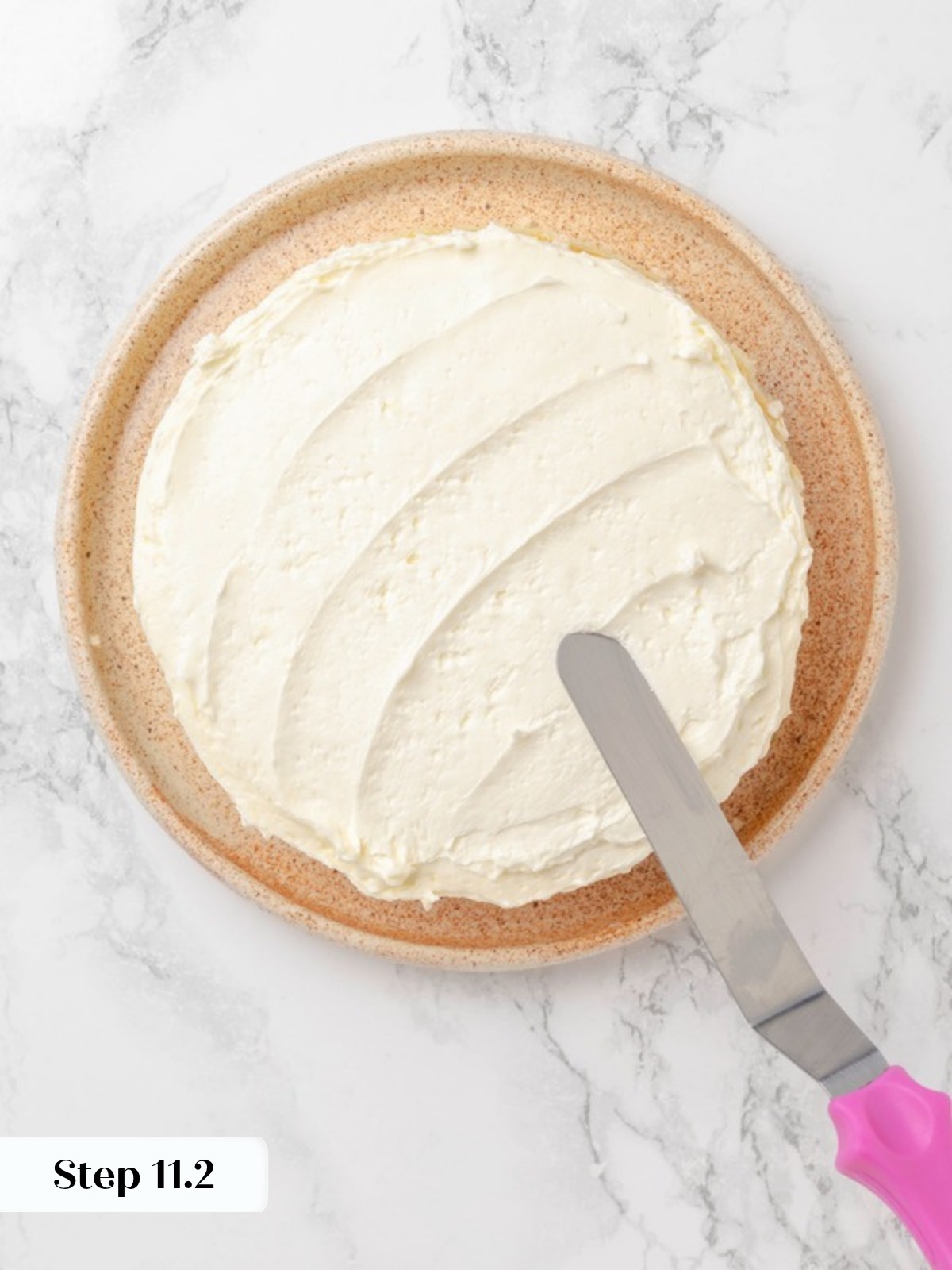
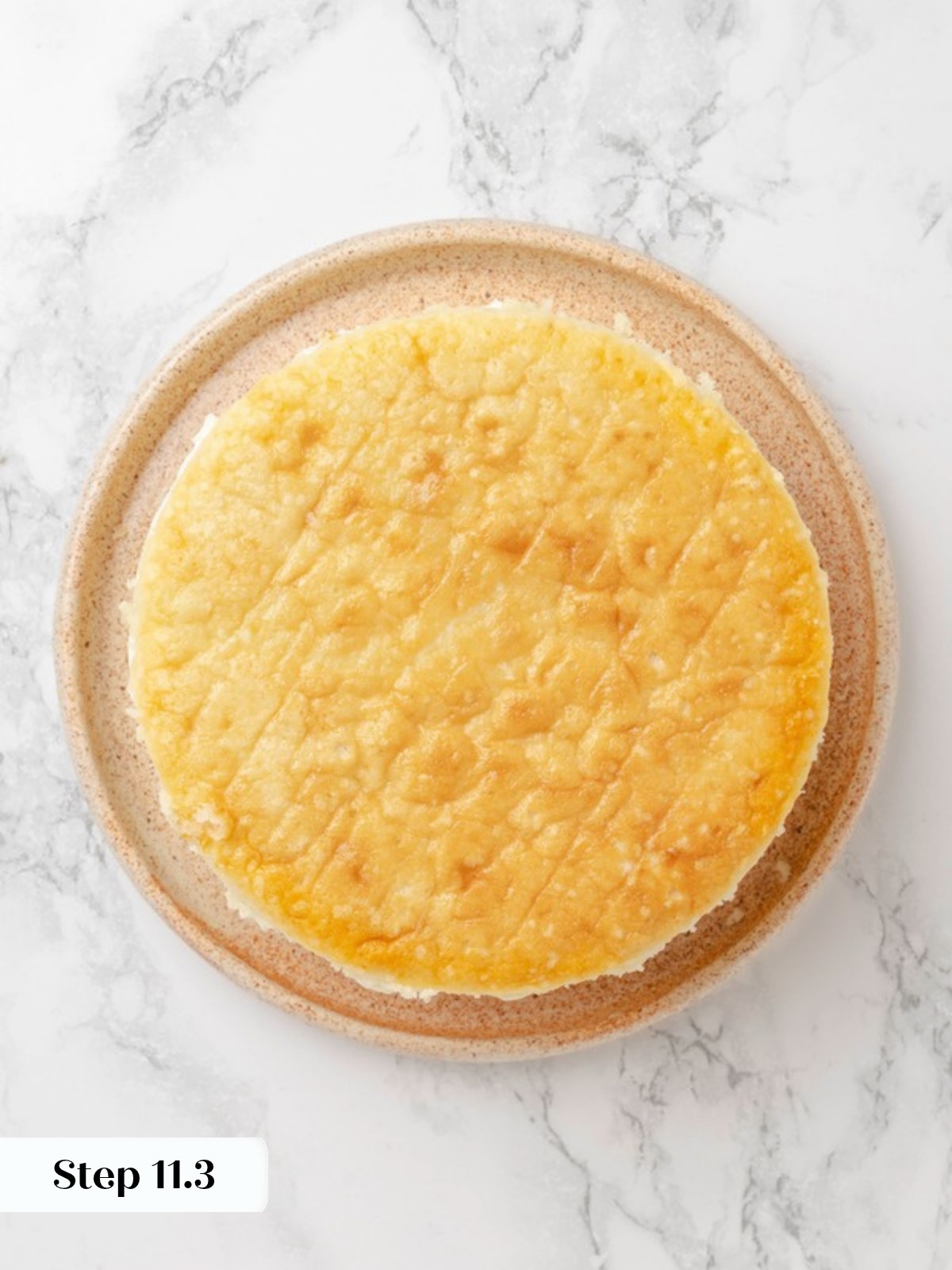
Step 11: Stack and fill the layers. Place the bottom layer on a cake stand or plate. Add about ½ cup of Vanilla American Buttercream to the top and smooth it into an even layer with an offset spatula. Add the second layer and repeat with another ½ cup of frosting. For the top layer, flip it upside down so the flat bottom faces up: this gives you a perfectly level surface for the final crumb coat and outer frosting. (photos 12-14)
If you plan to add a filling other than buttercream, pipe a dam of buttercream around the perimeter of each layer before spooning the filling inside. The dam prevents the filling from squeezing out under the weight of the layers above.
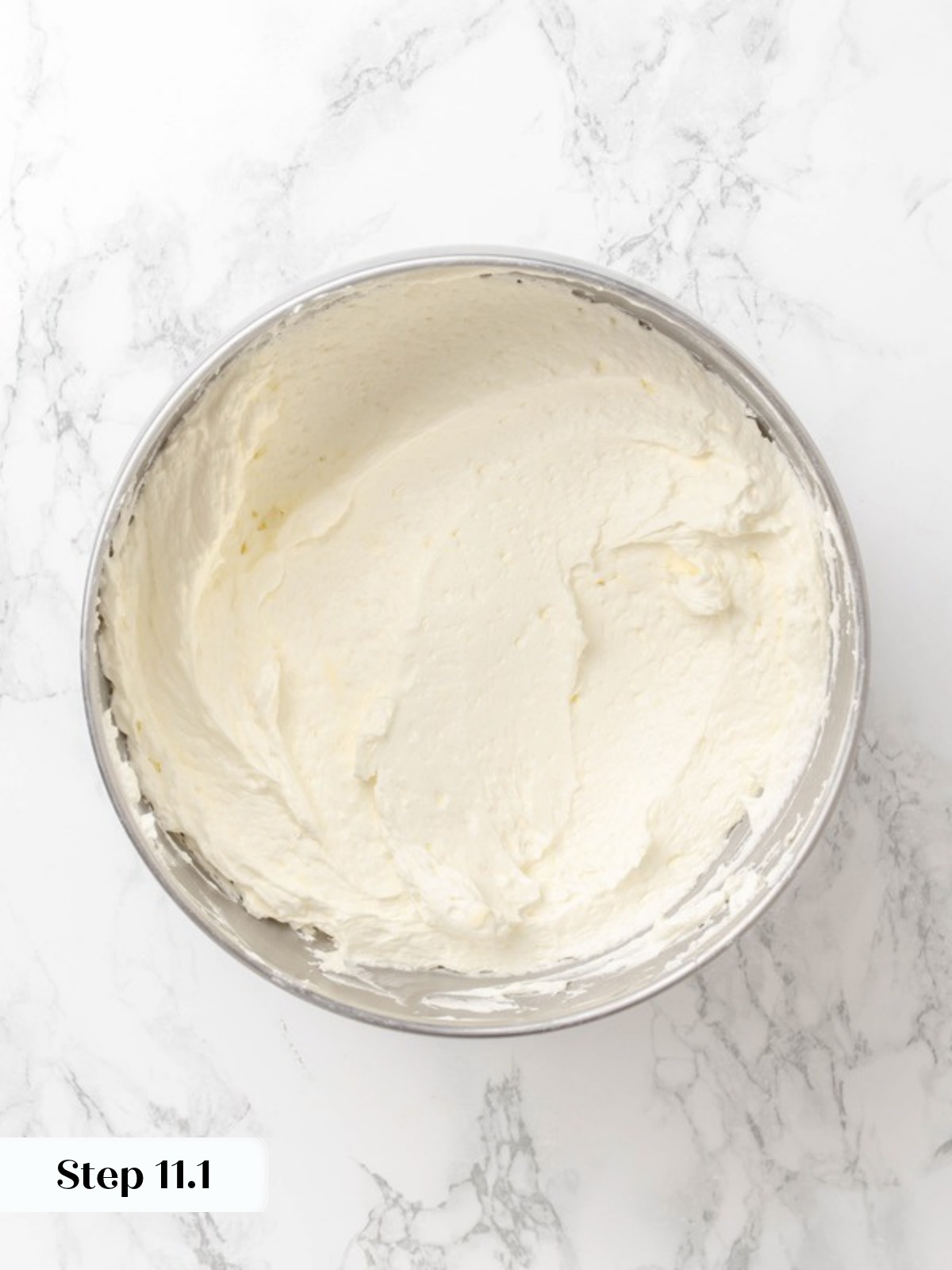
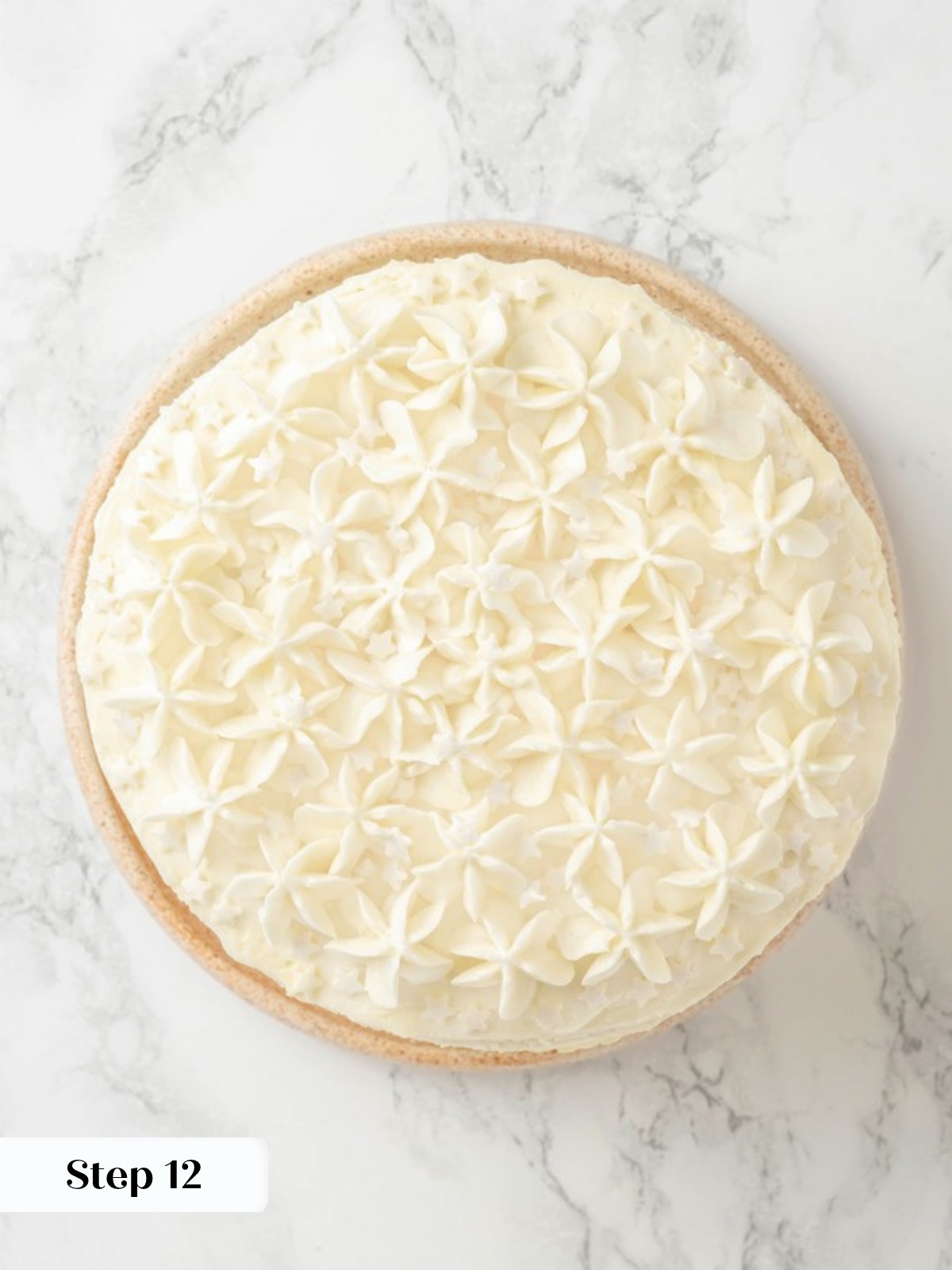
Step 12: Chill before finishing. Refrigerate the filled, unfrosted cake for at least 30 minutes before applying the crumb coat and outer layer of frosting. The chill firms the butter in the layers so the cake holds its shape when you apply pressure with the spatula. After chilling, frost the outside as desired, then serve at room temperature for the best texture and flavor: cold buttercream is dense, and the cake itself will feel slightly gummy straight from the refrigerator. (photo 15)
Chef Lindsey’s Recipe Tip
The best time to assemble this cake is the same day the layers are baked. The crumb is at its most tender and moist fresh out of the oven, and the texture noticeably changes after even one night in the refrigerator. If you need to work ahead, freeze the cooled layers individually, wrapped tightly in plastic: they thaw quickly and bake up tasting just as fresh.
Recipe FAQs
White cake uses only egg whites, which keeps the crumb bright white and produces a lighter, more delicate texture than a full-egg cake. If you want the same tender crumb with whole eggs and a deeper vanilla flavor, my Moist Vanilla Cake Recipe is the closer match.
Any frosting that is not too heavy will work well here because the layers are light. Caramel Swiss Meringue Buttercream is a particularly nice pairing if you want something with more depth than a standard vanilla finish.
Assemble the cake the same day for the best moisture. Wrap and refrigerate for up to 5 days, or freeze for up to a year. For the best results, freeze the cake and buttercream separately and assemble the day before serving.
Cake flour has a lower protein content than all-purpose, which is what gives this crumb its fine, tender texture. Substituting all-purpose flour will produce a slightly denser, chewier crumb that does not have quite the same lift from the meringue.
Other Recommended Cake Recipes
Cake Recipes
Moist Yellow Cake Recipe

Cake Recipes
Easy Moist Chocolate Cake Recipe
Cake Recipes
Moist Vanilla Cake Recipe
Cake Recipes
Maple Cake
If you tried this recipe and loved it please leave a 🌟 star rating and let me know how it goes in the comments below. I love hearing from you; your comments make my day!
White Cake
Ingredients
Cake
- 3 ½ cups cake flour
- 2 ½ tablespoons cornstarch
- 3 teaspoons baking powder
- 1 ½ teaspoons kosher salt
- 1 cup unsalted butter — soft and pliable
- 2 ½ cups sugar
- 2 teaspoons vanilla extract
- ½ teaspoon almond extract
- 1 ½ cups whole milk
Meringue
- 8 egg whites
- ½ cup sugar — for the meringue
- Pinch cream of tartar
Frosting
- 1 ½ quarts Swiss Meringue Buttercream
Instructions
- Preheat the oven to 325°F. Spray and line three 9-inch or 8-inch cake pans with parchment.
- Sift together the cake flour, cornstarch, baking powder, and salt. Set aside.
- In a stand mixer fitted with the whisk attachment, whisk the egg whites on medium-low with the cream of tartar until frothy. Add the smaller portion of sugar by the teaspoon, then increase speed to high and beat until stiff peaks form. Transfer the meringue to a clean bowl.
- Add the butter and remaining sugar to the mixer bowl. Switch to the paddle attachment and cream on medium-high until light and fluffy, at least 5 minutes. Beat in the vanilla and almond extracts.
- With the mixer on low, alternately add the flour mixture and the milk in stages, stopping before each addition is fully incorporated to avoid overmixing. Remove the bowl, scrape down the paddle, and fold in any remaining dry ingredients by hand.
- Fold about one-quarter of the meringue aggressively into the batter to loosen it. Fold in the remaining meringue in two to three additions, working gently to preserve as much volume as possible.
- Divide the batter evenly among the prepared pans and smooth with an offset spatula. Bake for 14 to 18 minutes, until a toothpick inserted in the center comes out with only clinging crumbs.
- Cool in the pans for 10 minutes, then turn out onto a wire rack to cool completely.
- Place the bottom layer on a cake stand. Add about ½ cup of frosting and smooth it out. Repeat with the second layer, then place the top layer bottom-side up for a flat surface. Chill the assembled cake for 30 minutes before frosting the outside.
Video
Notes
Doneness Cue: A toothpick or cake tester inserted in the center should come out with only a few clinging crumbs, not wet batter. The edges will just begin to pull from the sides of the pan.
Storage: Assemble the cake the same day for the best moisture. Wrap and refrigerate for up to 5 days, or freeze for up to a year. For the best results, freeze the cake and buttercream separately and assemble the day before serving.
Make Ahead: Freeze cooled cake layers individually, wrapped tightly in plastic. Buttercream can be frozen separately. Assemble the day before serving for the best texture.
Nutrition
Before You Go
This white cake delivers the kind of clean, refined crumb and pure vanilla flavor that holds up under any frosting you pair with it. If you want more inspiration, browse the full Cake Recipes or try this angel food cake recipe next!










I would like to subscribe
Hi Diane, I can add you manually to my email list but you can also sign up directly here.
can i substitute the butter to vegetable shortening?
Hi Noreen! You absolutely may. It will make the cake a pure white but you’ll lose a little flavor. Happy baking! ~Lindsey
That hint of almond extract alongside the vanilla is the subtle magic touch that makes everyone ask what’s in it. I made this for my nieces birthday and it was the most beautiful, bakery worthy cake I’ve ever pulled out of my own oven!
I’d been searching for a true white cake that wasn’t dense or dry. The layers baked evenly and stayed perfectly white. The almond-vanilla combo gave it that classic bakery flavor I’d been trying to make happen at home, which is a super big win!
420g of cake flour equals how many cups
Hi Jensine! 3 ½ cups; you can toggle between metric and volume measurements in the recipe card. Happy baking!
Looks delicious
It really is!
Hello Chef Lindsey!
Thank you for this cool recipe!
Can you pls tell which cake flour you recommend using? There is bleached and unbleached out there and what is usually the difference? Also what method was this cake? It’s creaming and then fold in meringue or something? I haven’t seen it before so was wondering … Thank you very much!
Jason.
Hi Jason! Thanks for all your questions 🙂 My cake nerd has been activated!
I use Swans Down cake flour at home and Purasnow in the professional kitchen. You can use bleached or unbleached cake flour but bleached cake flour will produce whiter, taller, more delicate cake with a more even dome. The chlorination process alters the flour and makes it more suited to baking.
I would call this cake making method: lighted creaming method. Lol. Which I just made up. It is a traditional creaming method but then the whole batter is lighted with egg whites at the end. This gives it the leavening and structure of an angel food cake but the texture of a traditional creamed cake!
Haha thank you so much for your very helpful nerd answer! I love the use of whites in this method. Very cool idea to lighten the cake up. I ve never used bleached flour to make a cake and would like to try. Thanks again very much!
You are most welcome, Jason! I think once you go bleached cake flour, you won’t go back!