
This post may contain affiliate links. Please read our disclosure policy.
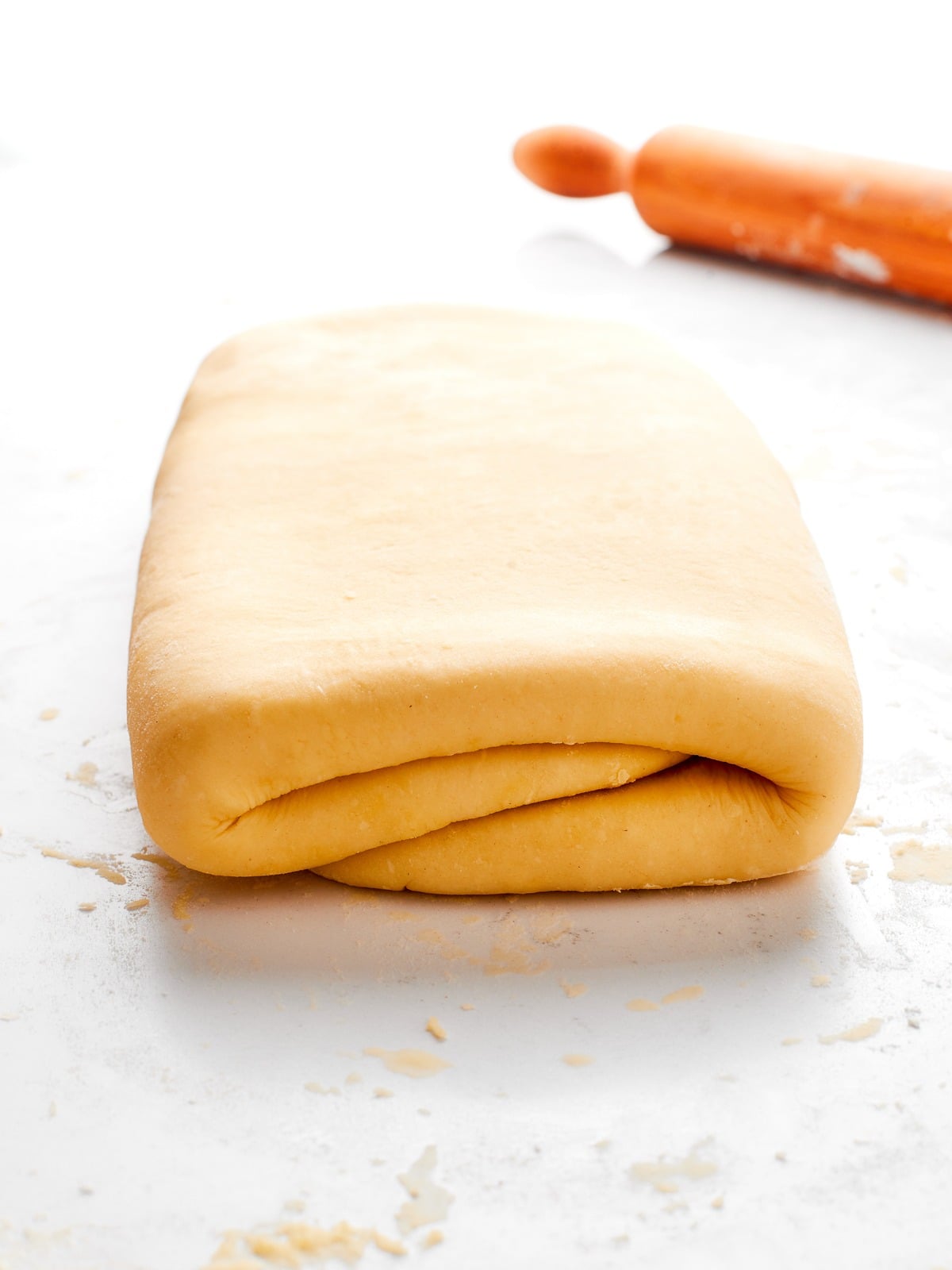
Inverse puff pastry from scratch is lamination at its most precise and rewarding. Butter wraps the dough, creating crisp, defined layers that bake up deeply buttery and beautifully even.
A Quick Look At The Recipe
This is a brief summary of the recipe. Jump to the recipe to get the full details.
Jump to RecipePrep Time
1 hour
Chill Time
2 hours
Total Time
3 hours
Servings
12 servings
Difficulty
Advanced technique, but very manageable if you move slowly and keep everything cold.
Calories *
503 kcal per serving
Technique
Enclose détrempe inside beurrage and perform 6 single (envelope) folds with proper chilling between turns.
Flavor Profile
Deeply buttery, crisp, and shatteringly flaky.
* Based on nutrition panel
I was nervous about the first fold, but your note about chilling if the dough shrinks saved me. I ended up with beautiful, even layers and such clean lift. The overnight rest really did make the rolling easier the next day. ⭐⭐⭐⭐⭐
Lauren
Why This Recipe Works
- Butter on the outside creates stronger lamination. Inverse puff pastry produces more even, consistent layers.
- Flour stabilizes the butter. A small amount of flour in the beurrage slows melting during the first folds.
- Six single folds build the ideal lift. Two turns at a time develops structure without overworking gluten.
Table of Contents
There is something deeply satisfying about lamination. Watching a flat square of dough transform into hundreds of layers feels like magic — except it isn’t. It’s temperature control and patience.
Once you master this method, you can use it for fruit turnovers, mille feuille, or cheese straws. If you want to compare this structure to traditional pastry technique, my all butter pie crust walks through the mechanics of fat distribution. For layered French desserts that rely on batter rather than lamination, try my sweet crepe recipe or the classic mille crepe cake instead!
Ingredients & Substitutions
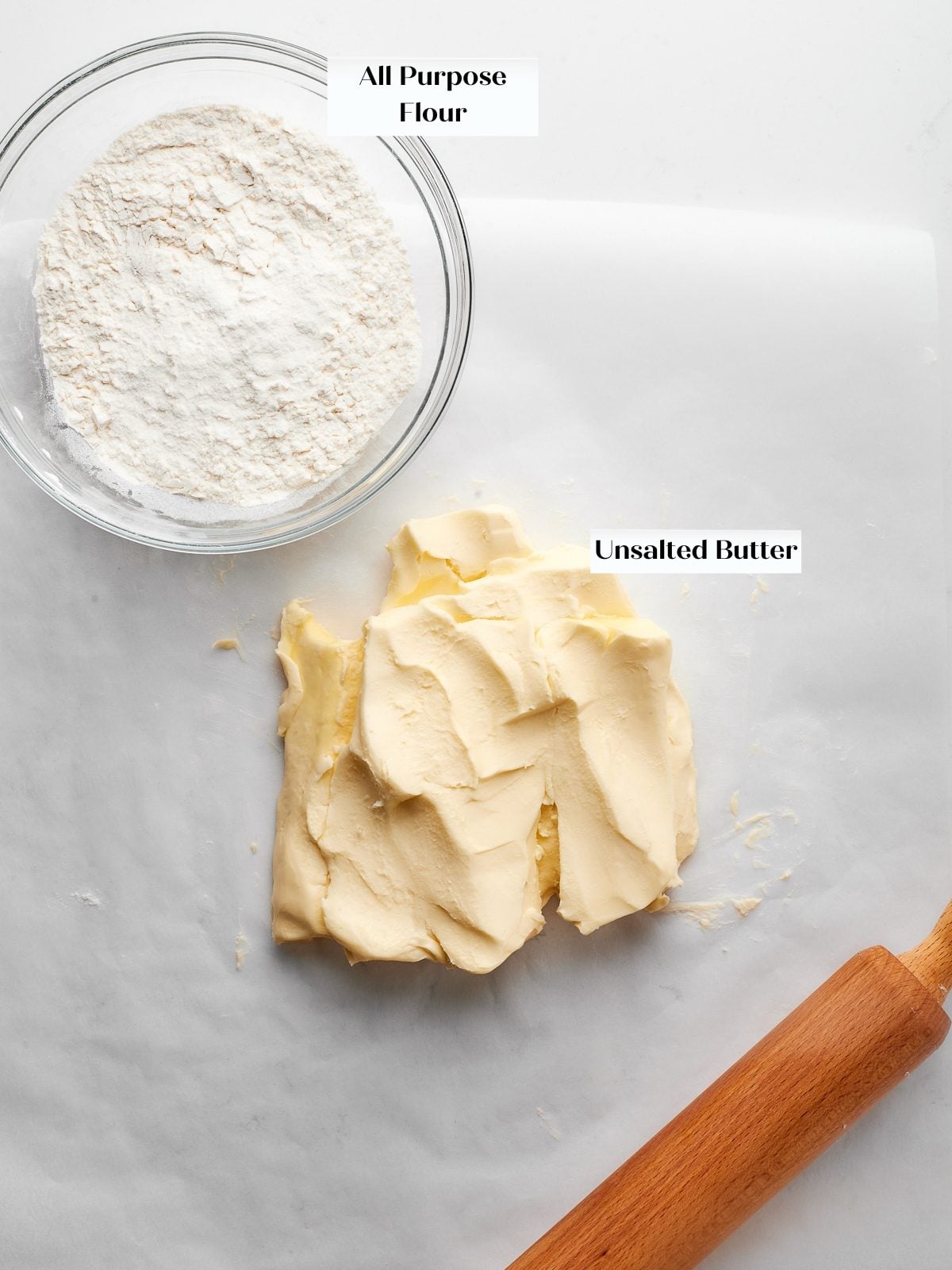
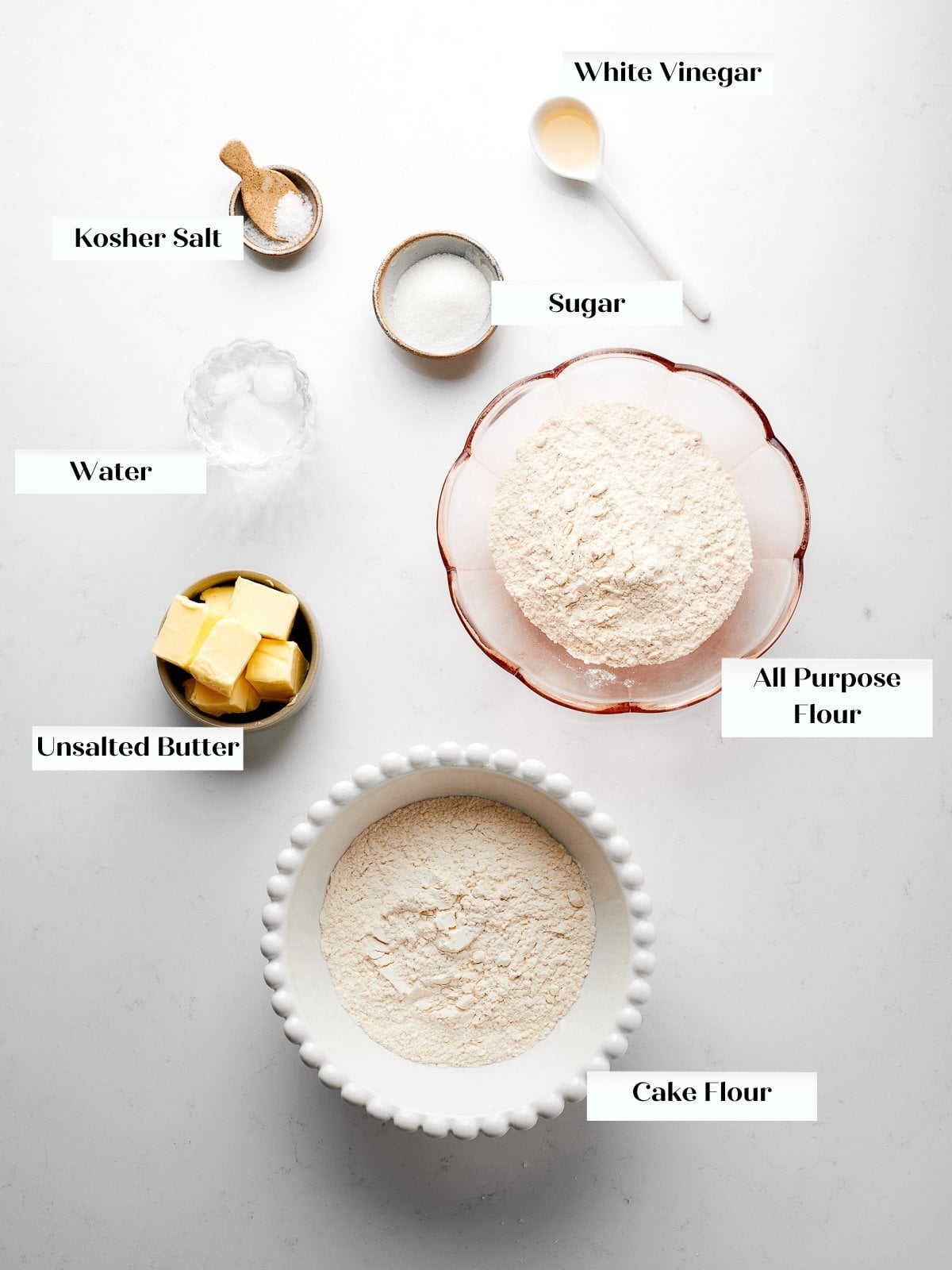
- Butter: Use high-quality, unsalted butter. Structure matters here. Avoid whipped or overly soft butter.
- All-Purpose Flour: Provides strength in both beurrage and détrempe.
- Cake Flour: Softens the dough slightly and balances elasticity.
- Water: Cold water controls gluten development. Using slightly less water keeps the détrempe firm enough to support clean lamination.
- Distilled White Vinegar: Tenderizes slightly without adding noticeable flavor.
- Salt & Sugar: Balance flavor and improve dough structure.
See the recipe card below for full ingredients and quantities.
Variations for Inverse Puff Pastry
- Make it sweet. Roll to ⅛-inch thick and use it for a puff pastry fruit tart, mille feuille, or classic fruit turnovers. Dock lightly for flat applications or leave undocked for lift. Twisted with cinnamon sugar, this dough also makes beautiful cinnamon twists with crisp, flaky spirals.
- Go savory. Cut into strips to top chicken pot pie, or wrap around roasted vegetables. Layer it over properly caramelized onions for a classic French-style tart! A light egg wash enhances color and shine.
- Create vol-au-vent shells. Cut rounds and stack rings on top to create dramatic height and clean lift. Chill thoroughly before baking to protect structure.
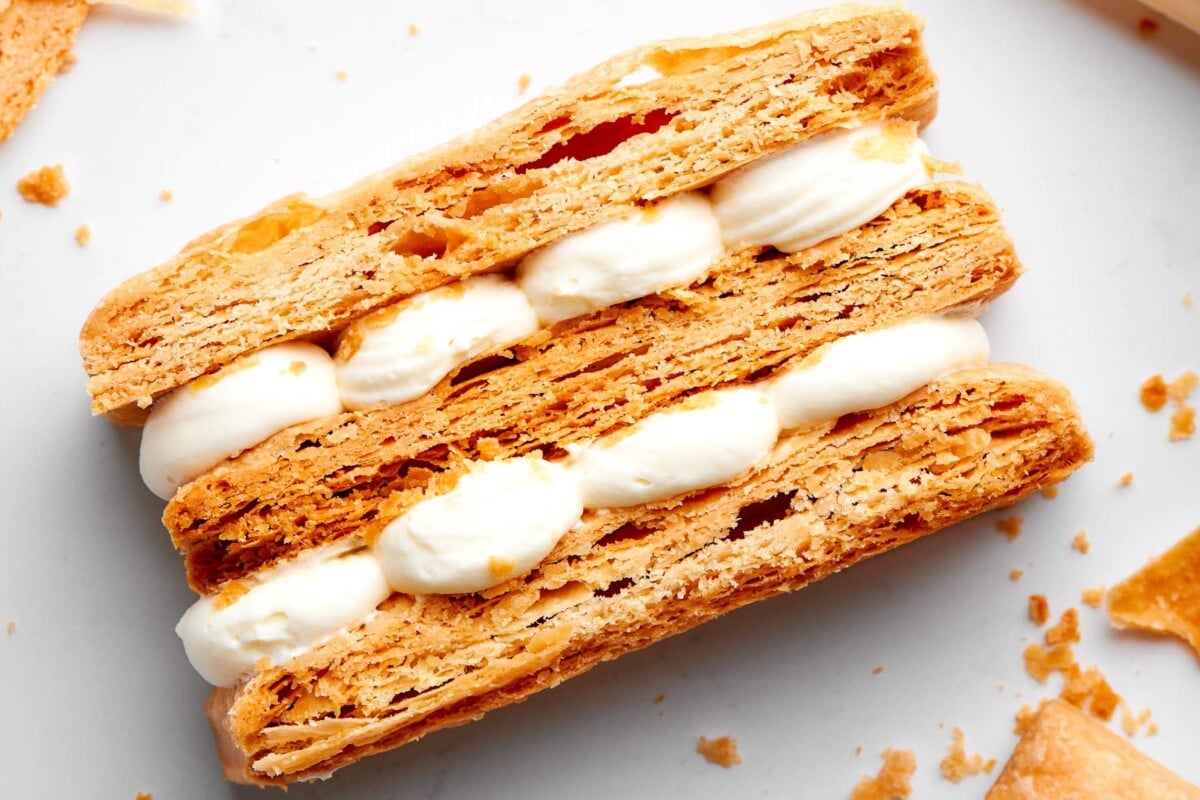
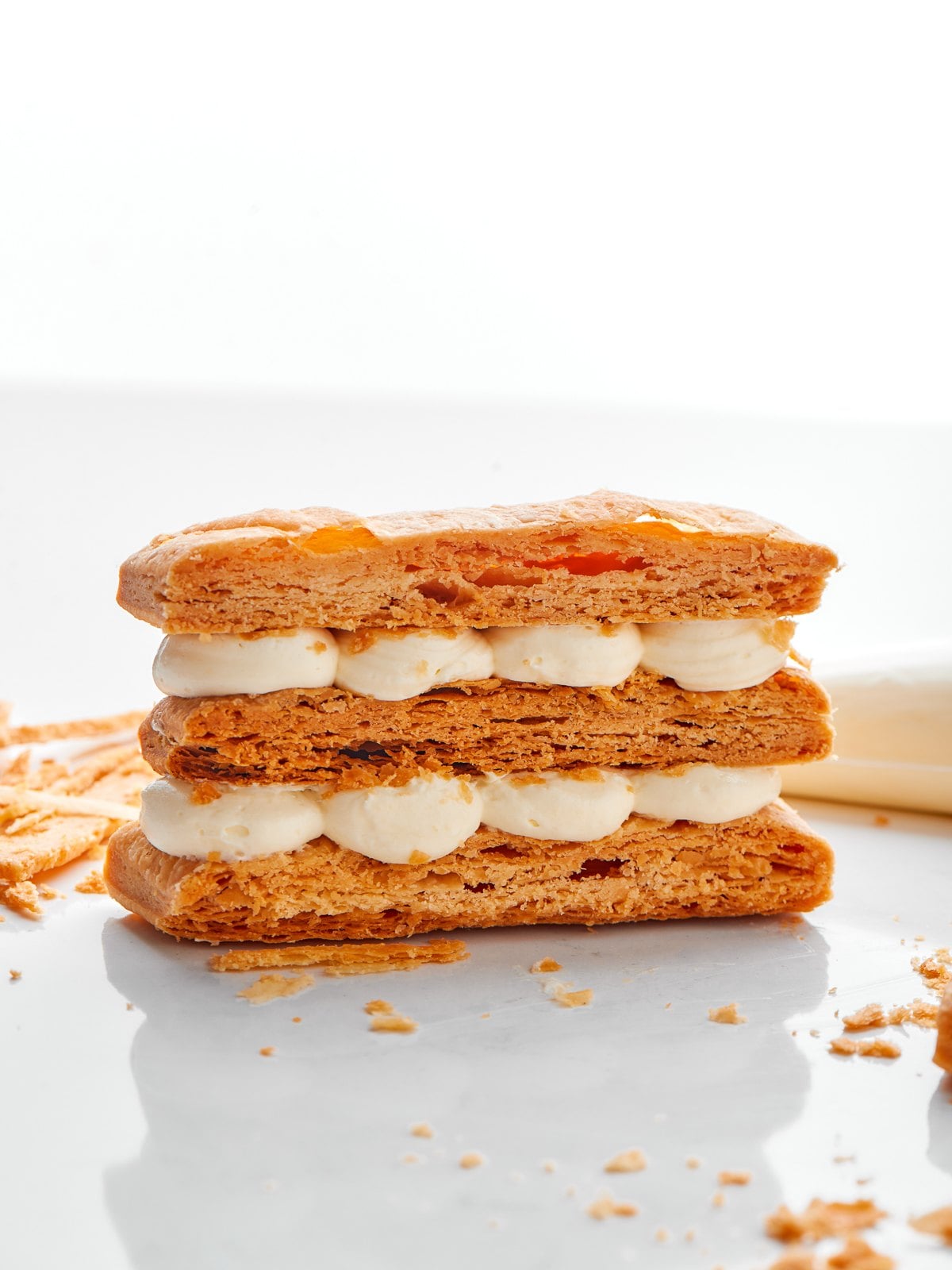
- Use for layered desserts. Bake sheets flat, then slice and layer with my pastry cream recipe for a traditional mille feuille or other structured plated desserts.
Professional Tips
- Never do more than two turns at a time. The gluten will tighten and the butter will warm.
- If it shrinks, chill it. Slide onto parchment and chill in the fridge for 10 minutes flat.
- Butter should bend, not crack. Cold butter that bends — not cracks or smears — keeps layers distinct.
- Always chill before cutting and baking. Warm dough fuses layers.
How to Make Inverse Puff Pastry
Use these instructions to make the perfect inverse puff pastry every time. Full measurements are in the recipe card below.
Step 1: Prepare parchment square. Fold a piece of parchment into a 10-inch square and set aside.
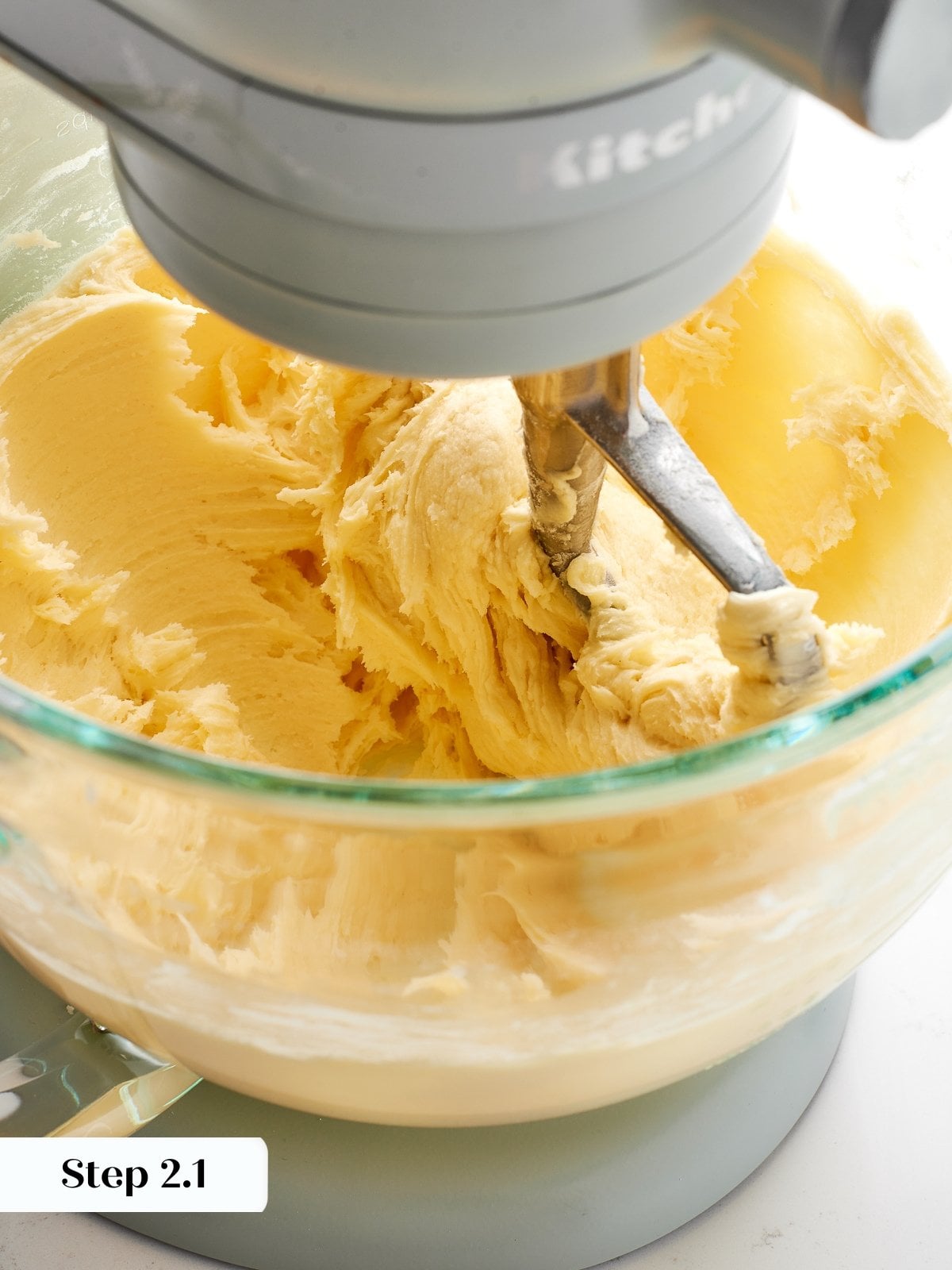
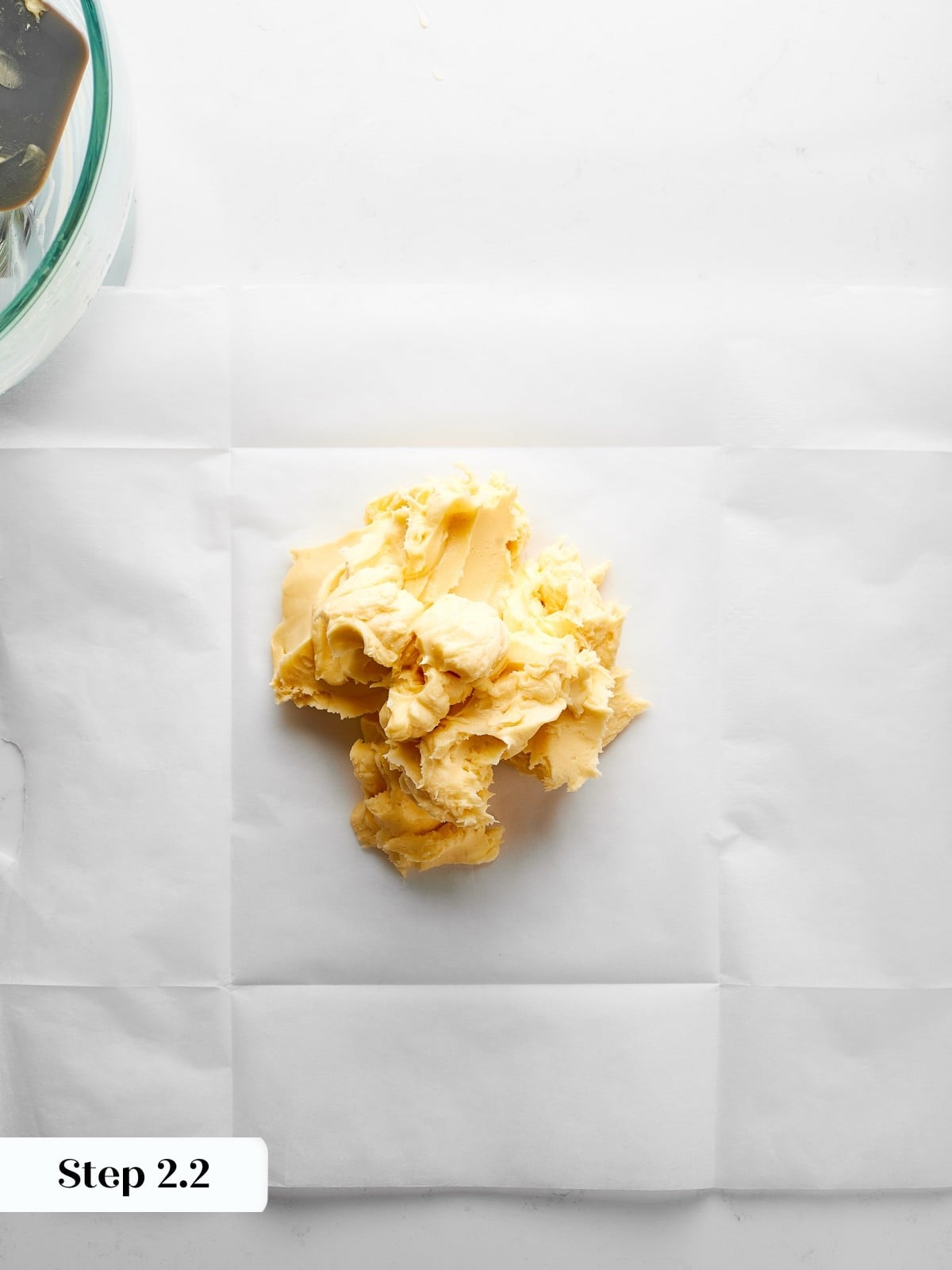
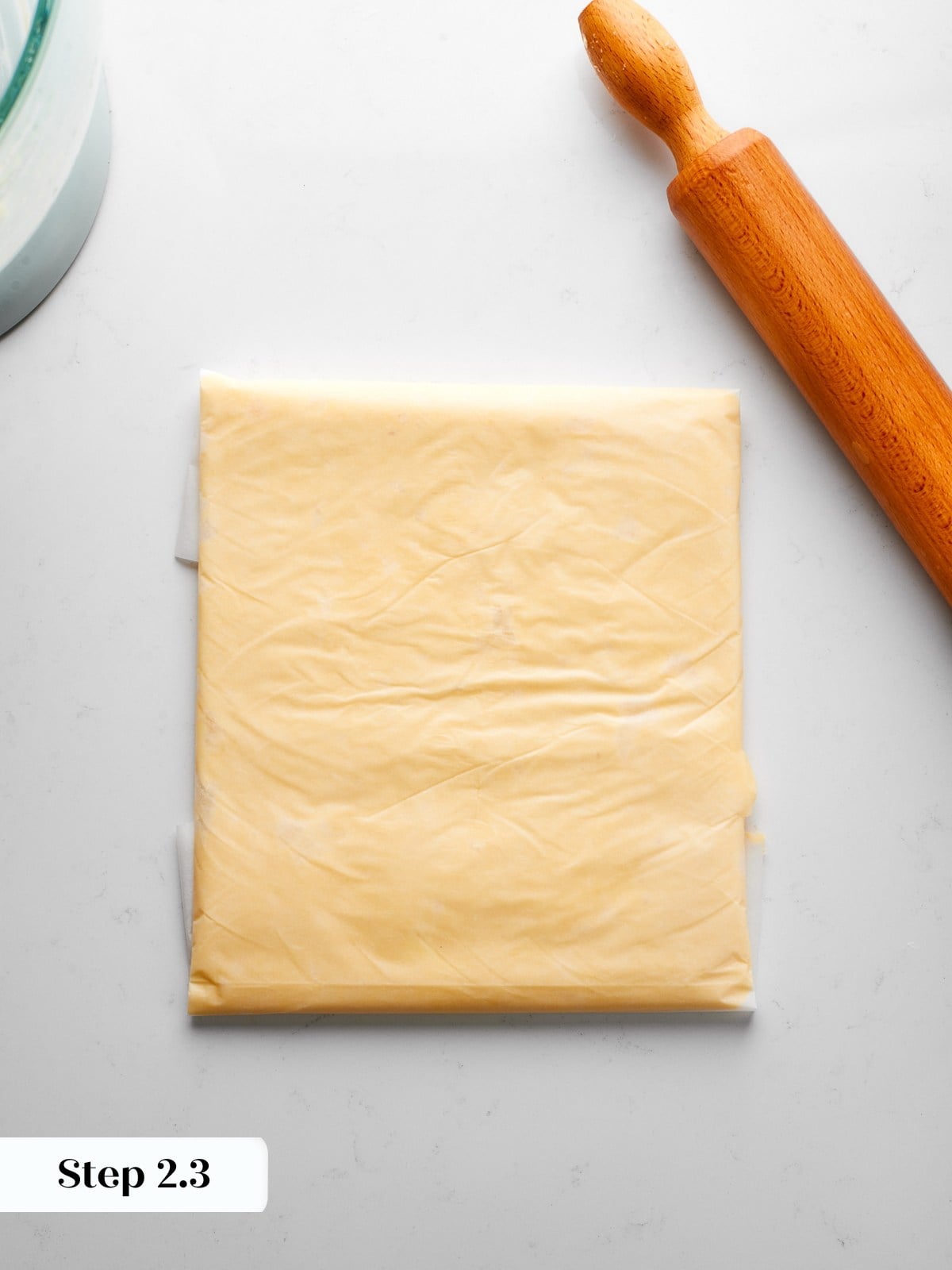
Step 2: Make beurrage. Temper the butter by hitting it with a rolling pin until pliable. Place it in the bowl of a stand mixer fitted with the paddle attachment, add flour, and mix on low until no visible butter remains. Roll inside parchment to a 10-inch square. Refrigerate for about 30 minutes (photos 1-3).
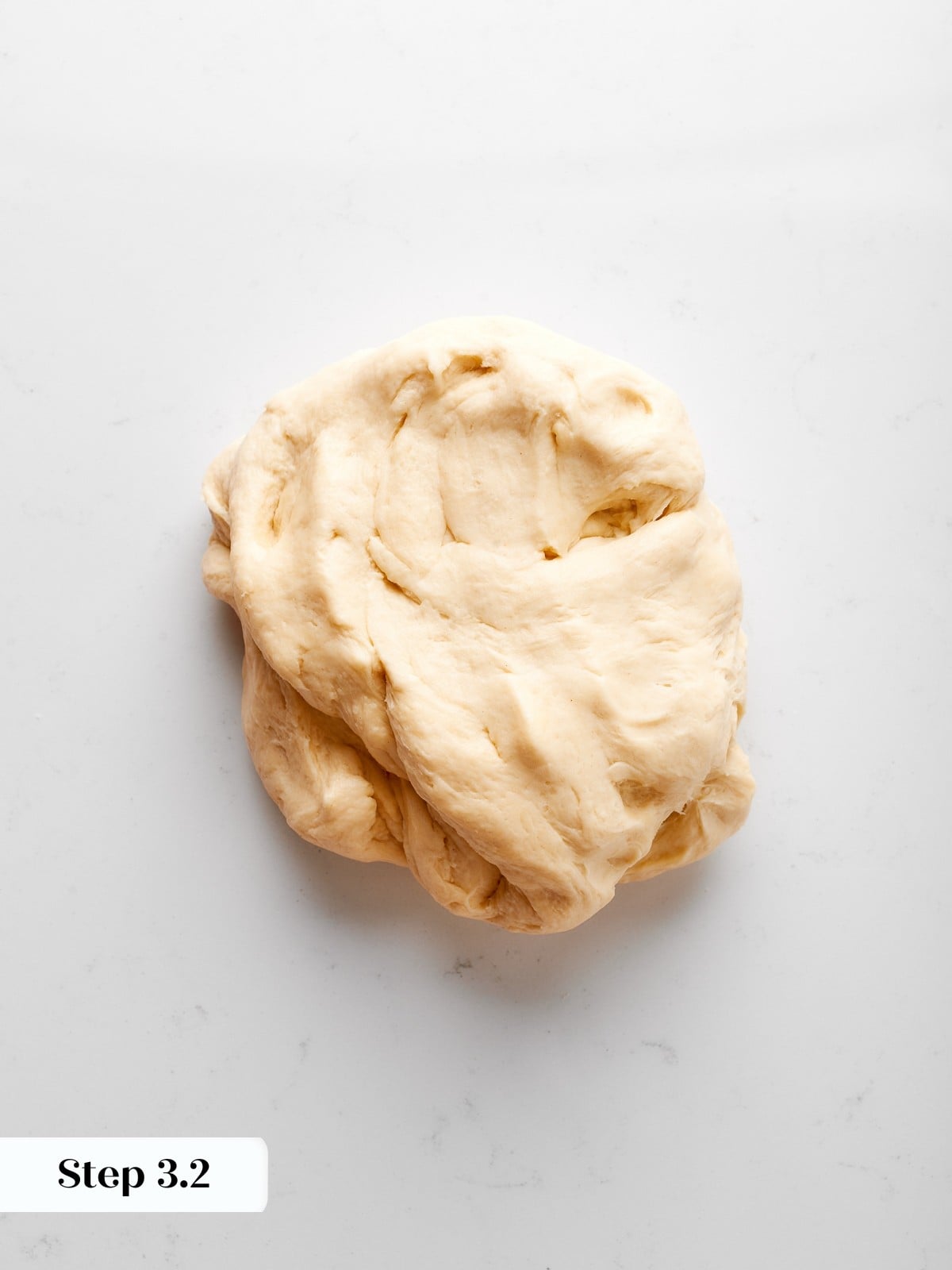
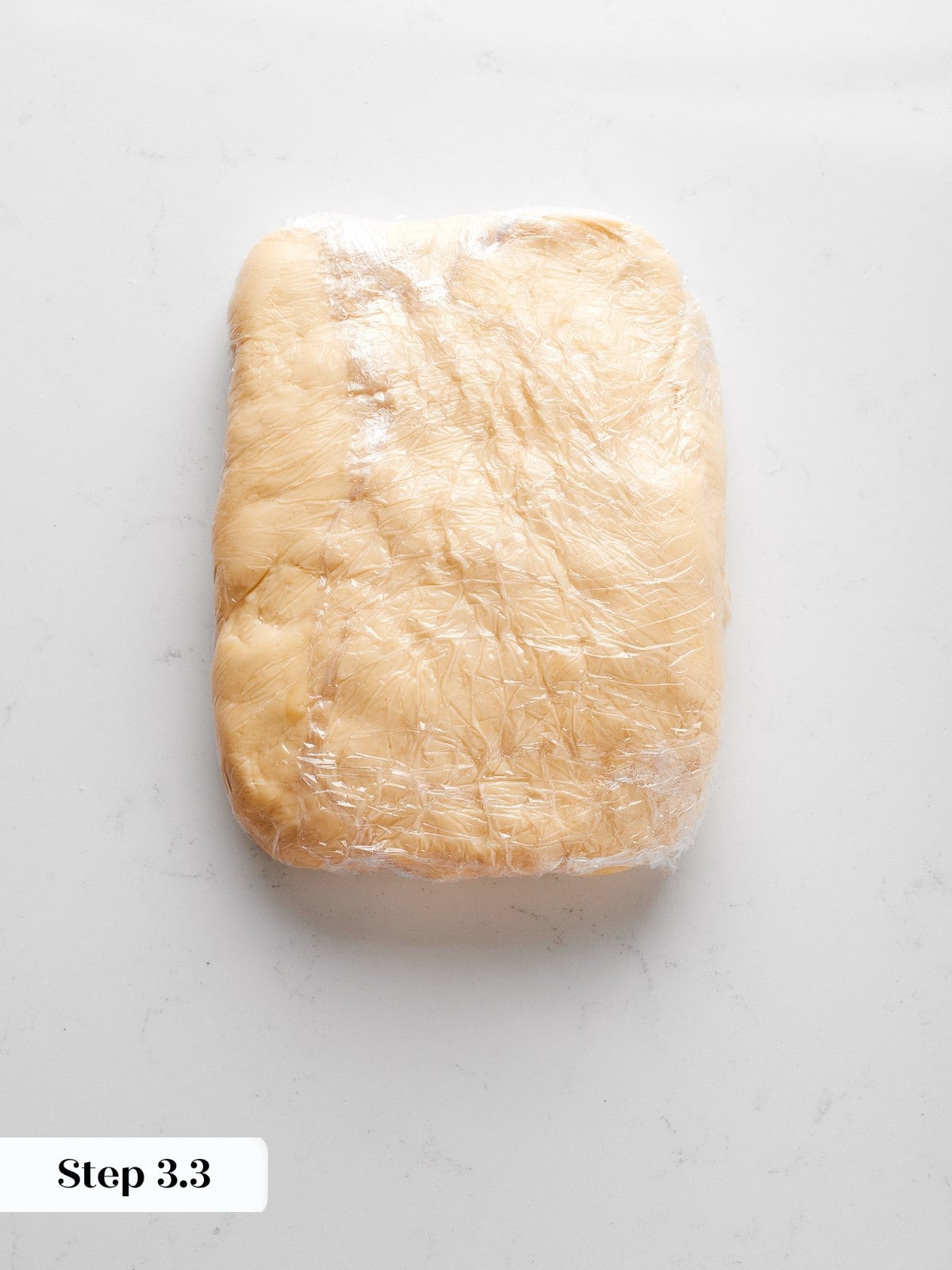
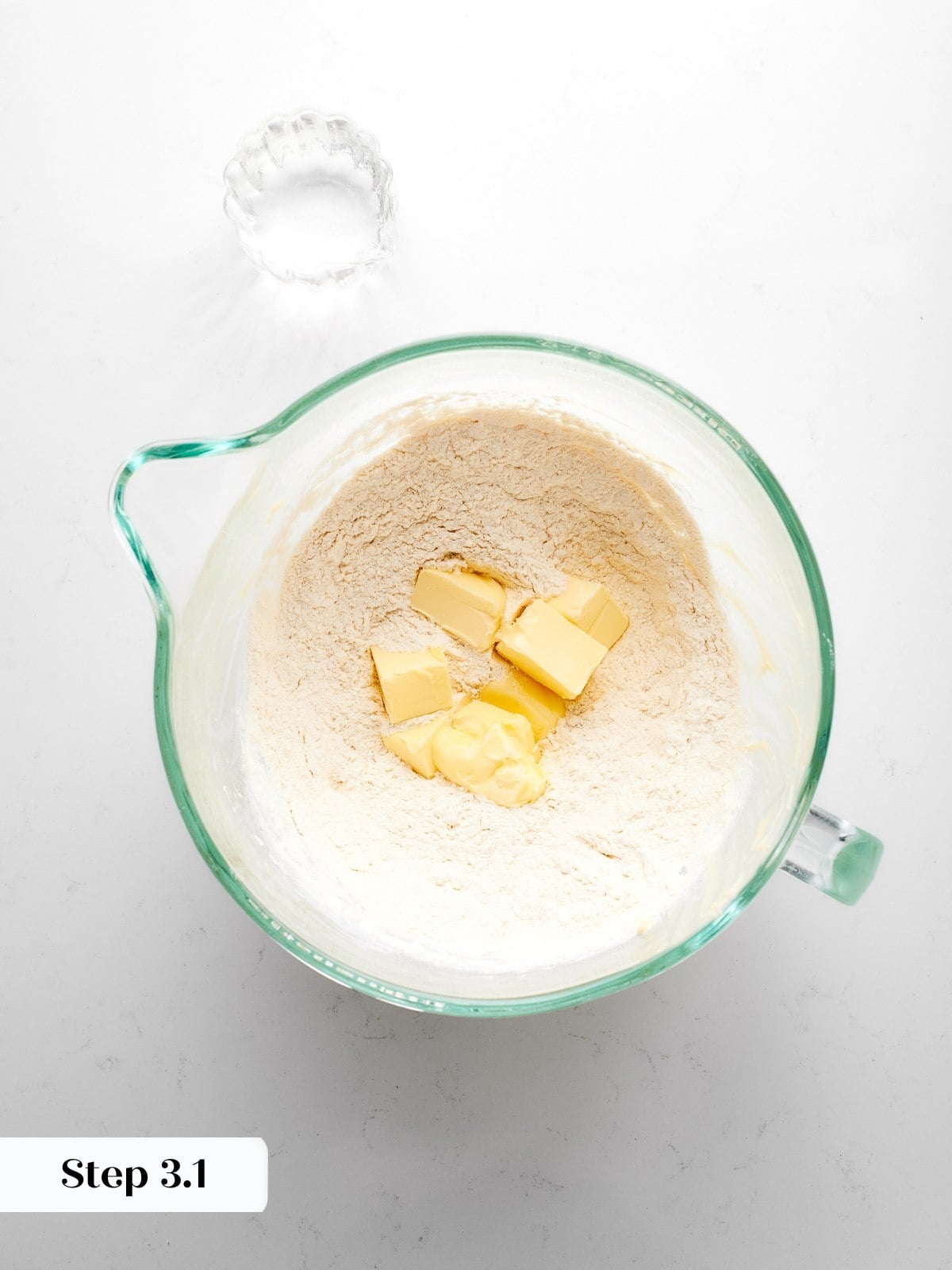
Step 3: Make détrempe. Combine dry ingredients in the mixer bowl. Cut in softened butter until no visible butter remains. Mix water and vinegar together. With the mixer on low, pour liquid into the flour mixture and mix until a dough forms. Turn onto an unfloured surface and gently knead until smooth. Press into a 6½-inch square. Wrap and chill for about 30 minutes (photos 4-6).
Step 4: Time the tempering. Remove the butter from the refrigerator 5–7 minutes before removing the dough so both are cold but pliable.
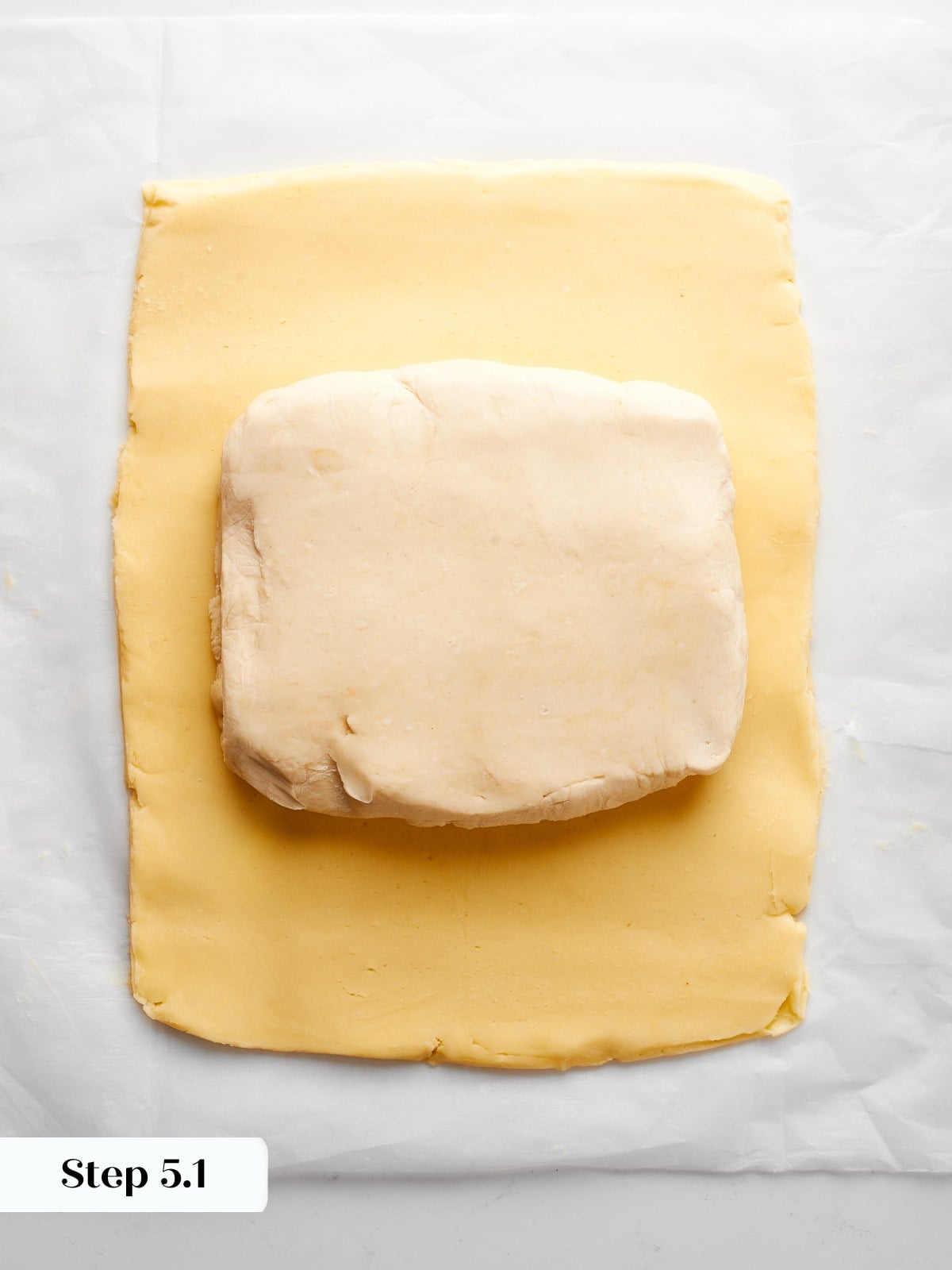
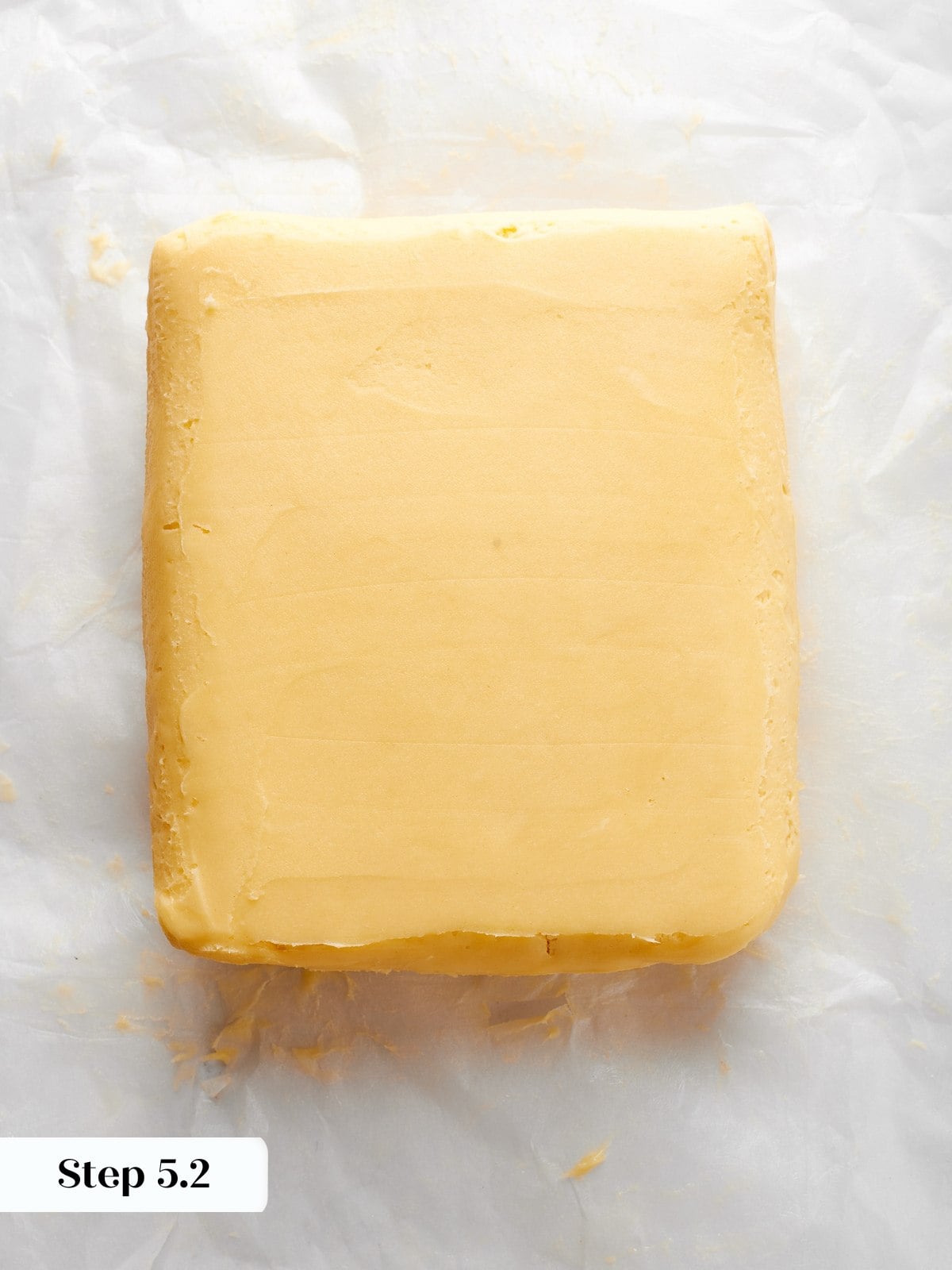
Step 5: Enclose the dough. Place dough diagonally on a butter square so it looks like a diamond. Fold butter corners over dough and seal seams by pressing butter together (photos 7 & 8).
Keep your work surface lightly floured but not over-dusted, so layers stay distinct.
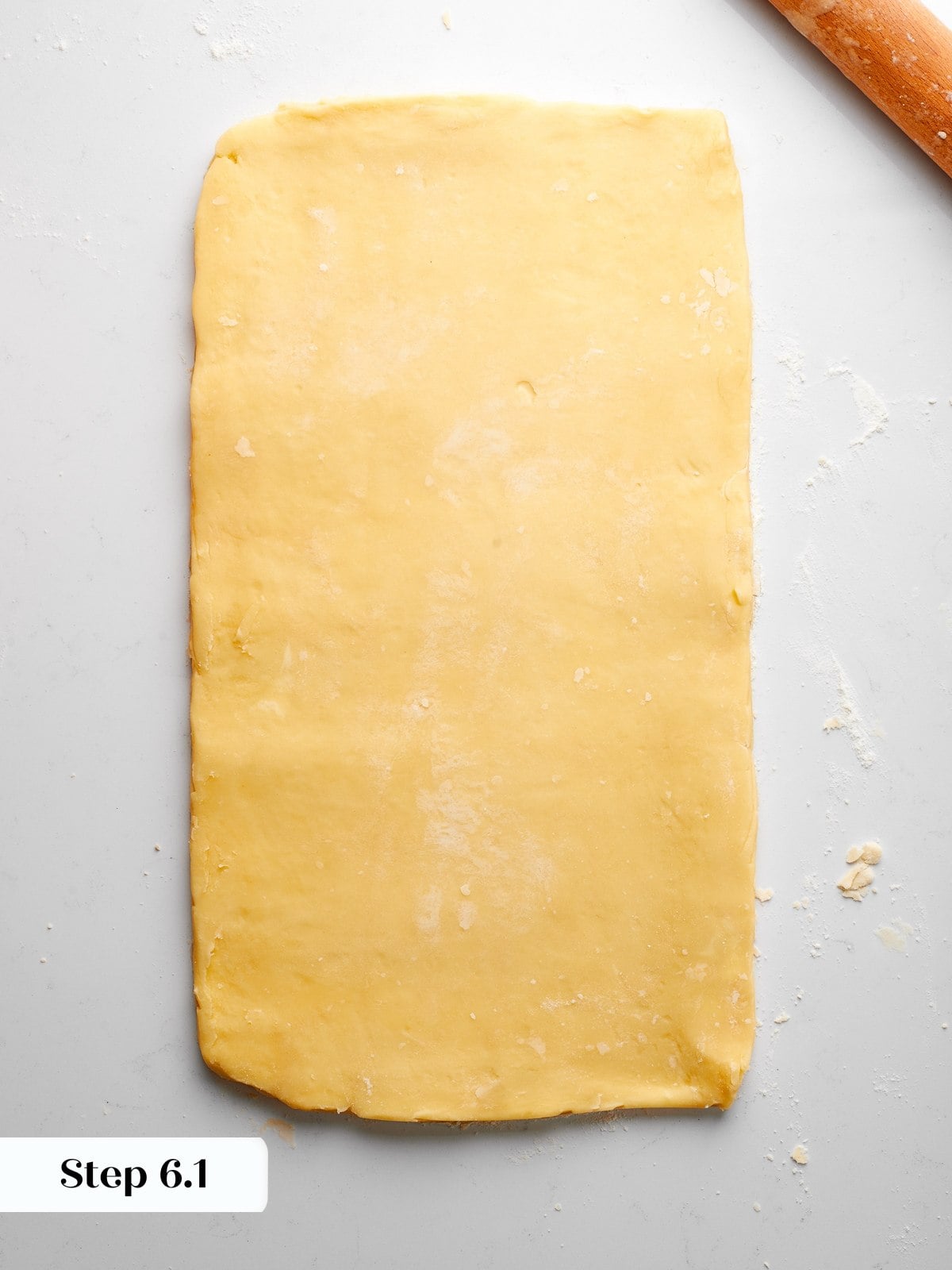
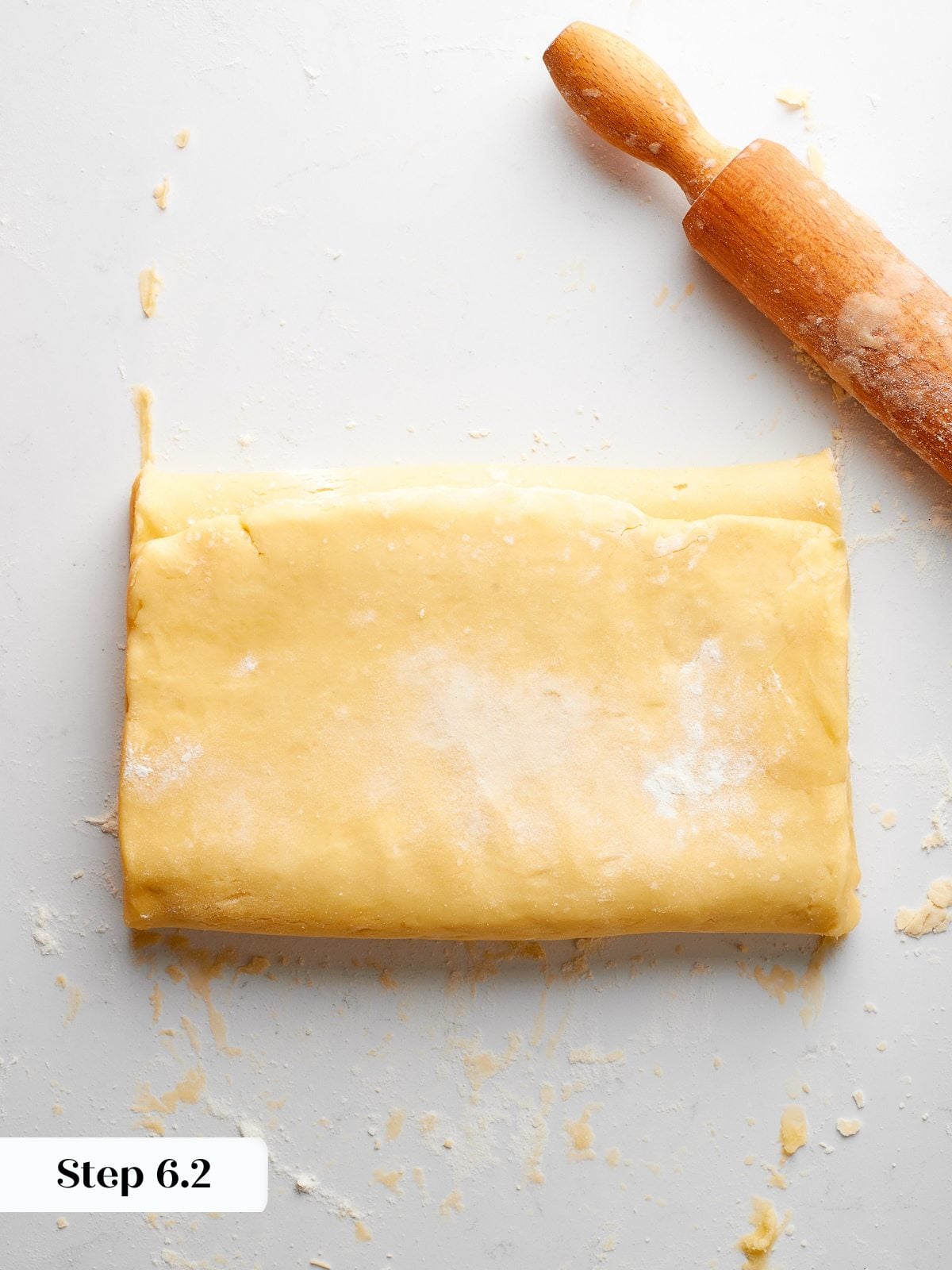
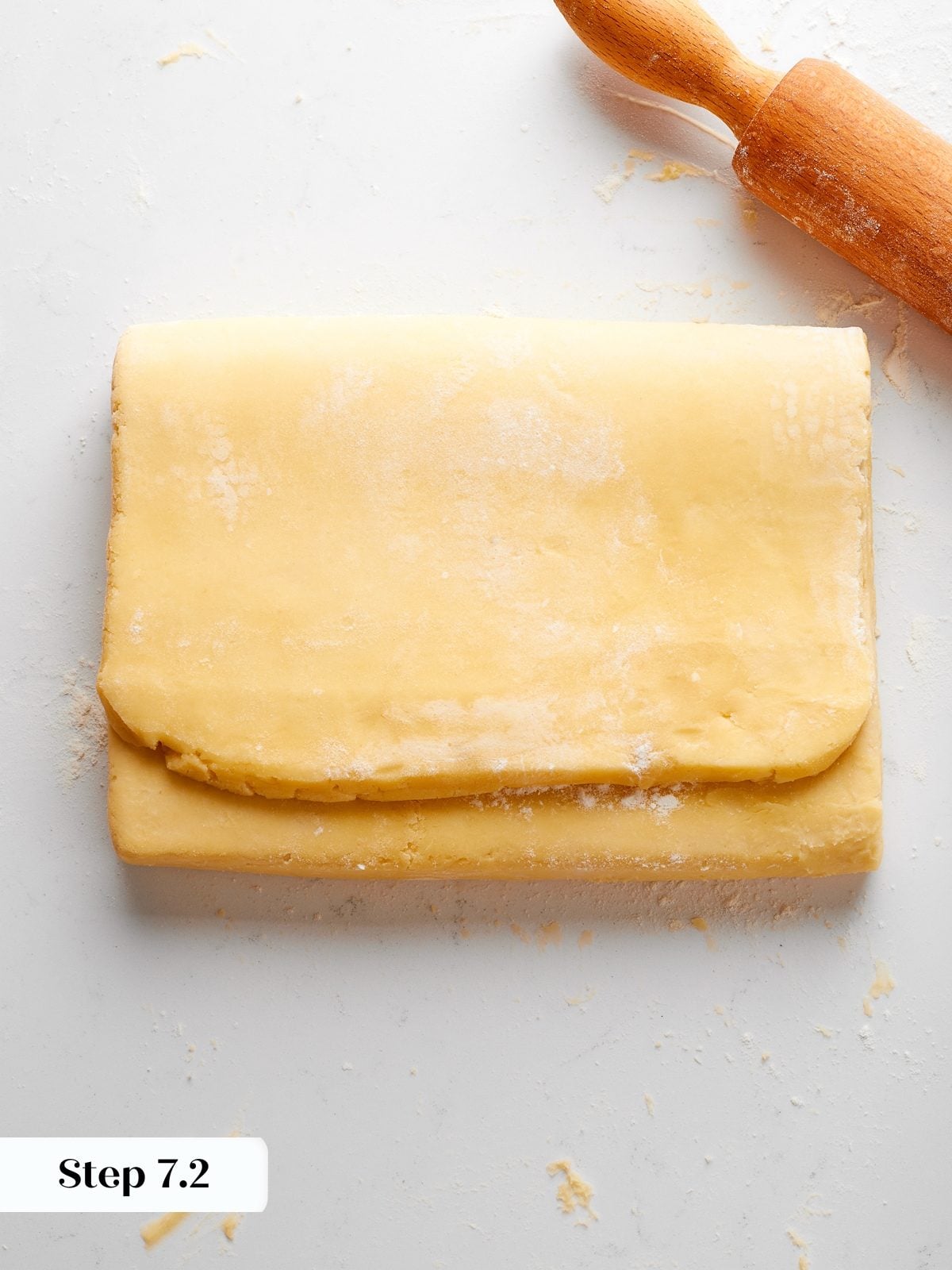
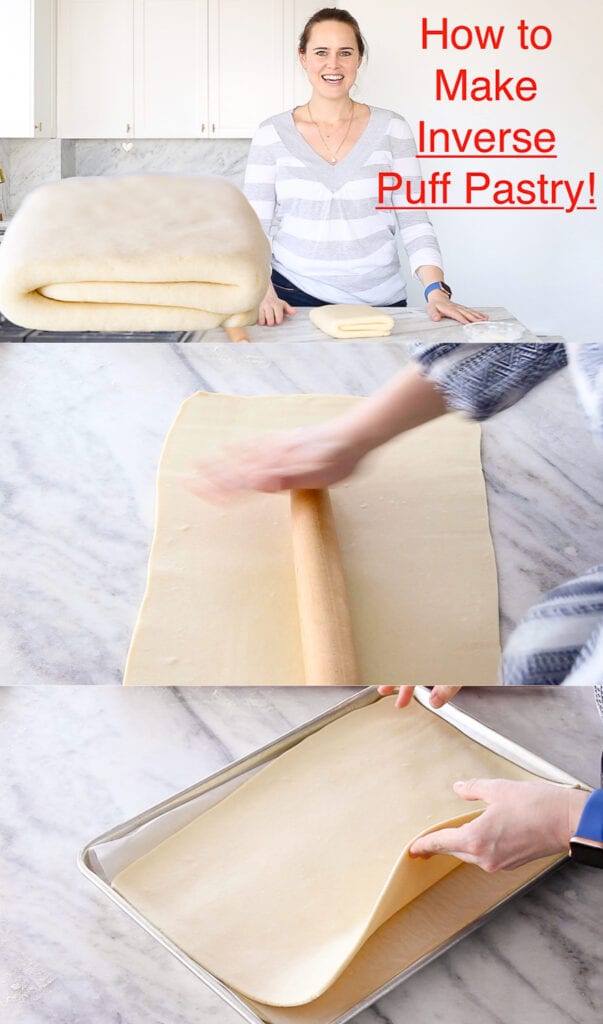
Step 6: Roll and fold. Roll to ¼-inch thick, about 18 inches long by 7 inches wide. Perform one envelope fold (top third down, bottom third up). Wrap and chill for 30 minutes (photos 9 & 10).
Rolling to the right size ensures even layers and proper lift.
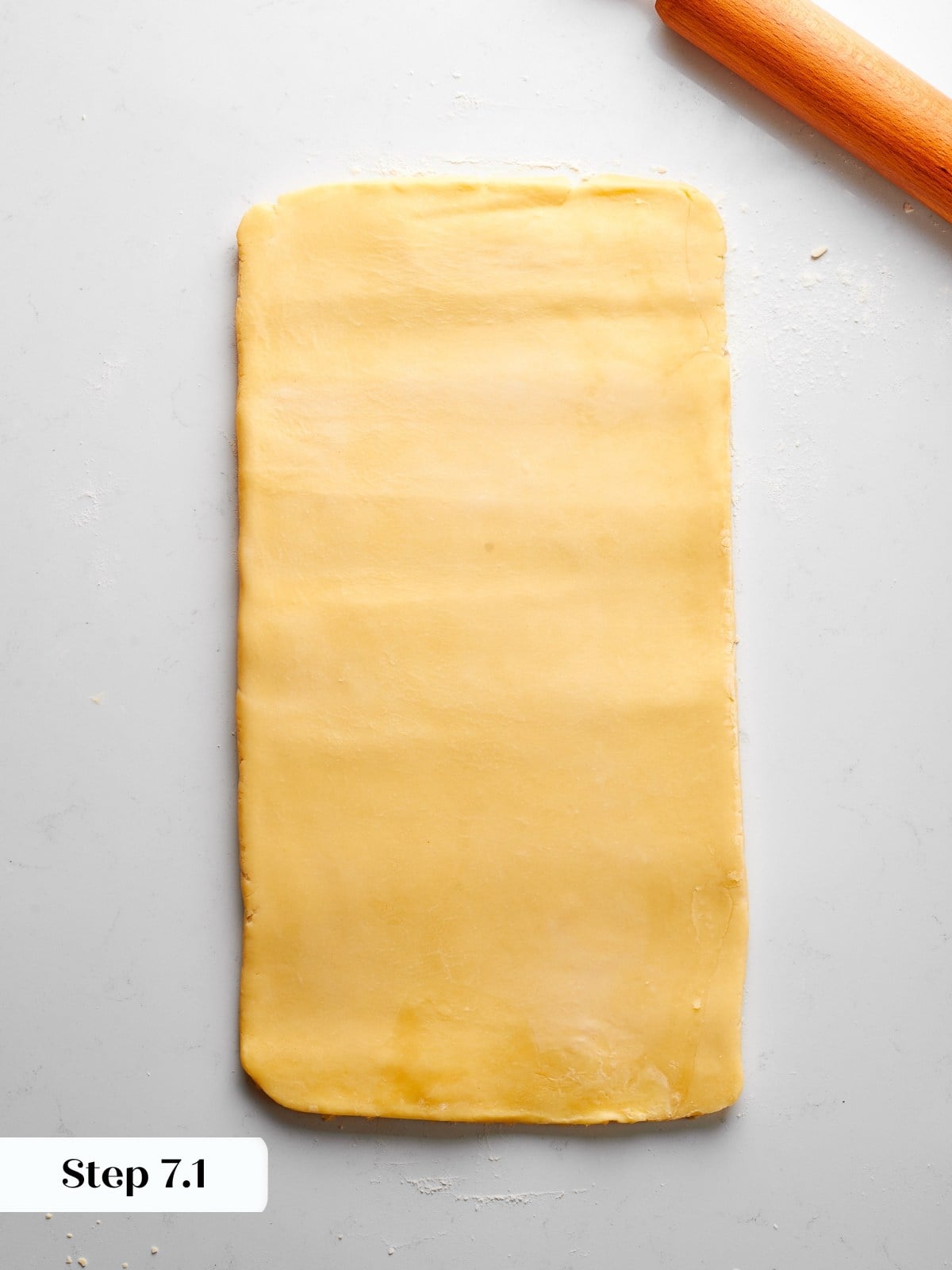
Step 7: Repeat the turns. Perform two more sets of two single folds (for six total turns), chilling 30 minutes between each set. If dough resists or shrinks, chill 10 minutes before continuing (photos 11 & 12).
How many folds does inverse puff pastry need? Inverse puff pastry typically uses six single (envelope) folds performed in three sets of two. Each set should be followed by a 30-minute chill to prevent butter softening and gluten tightening.
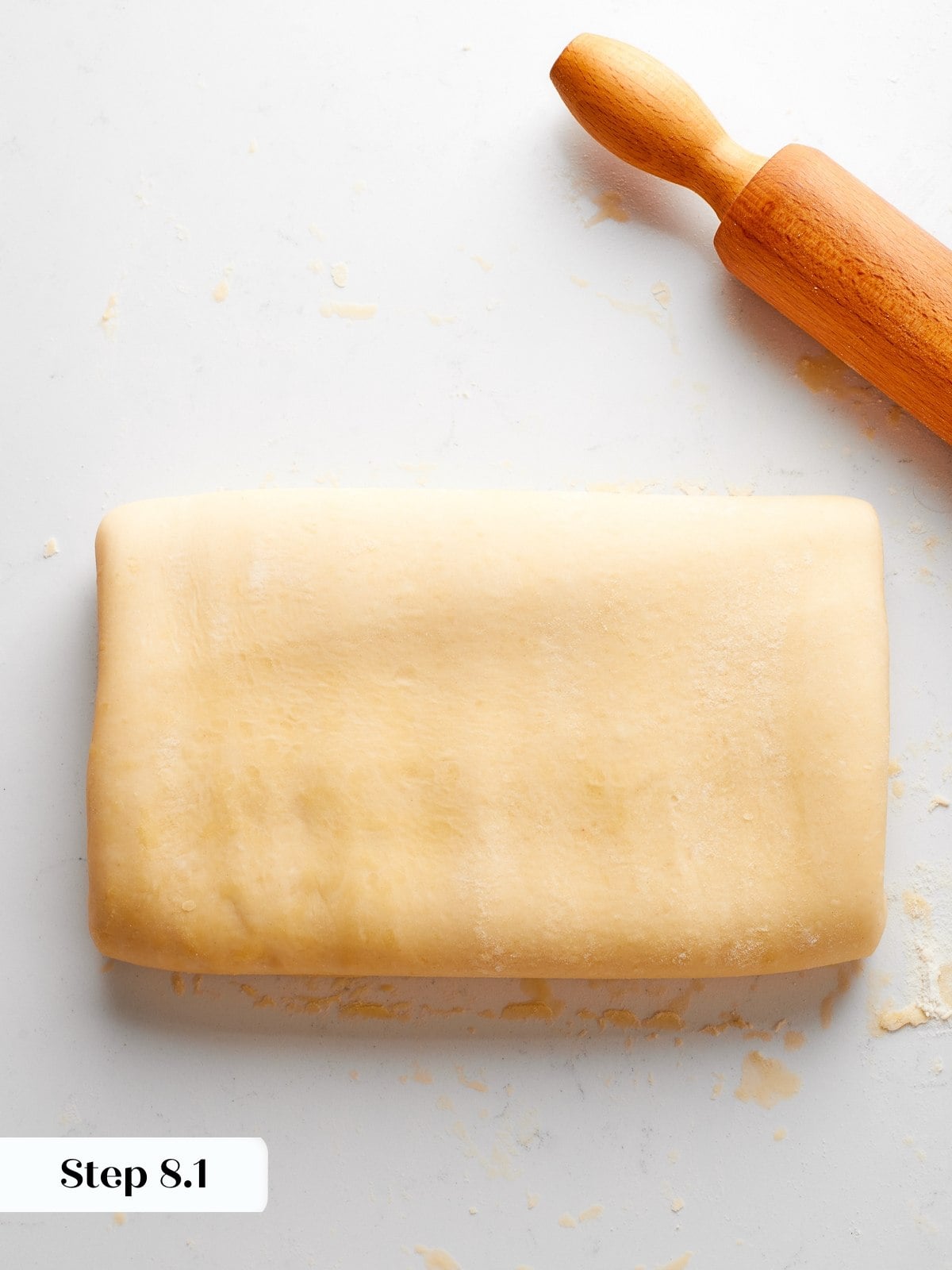
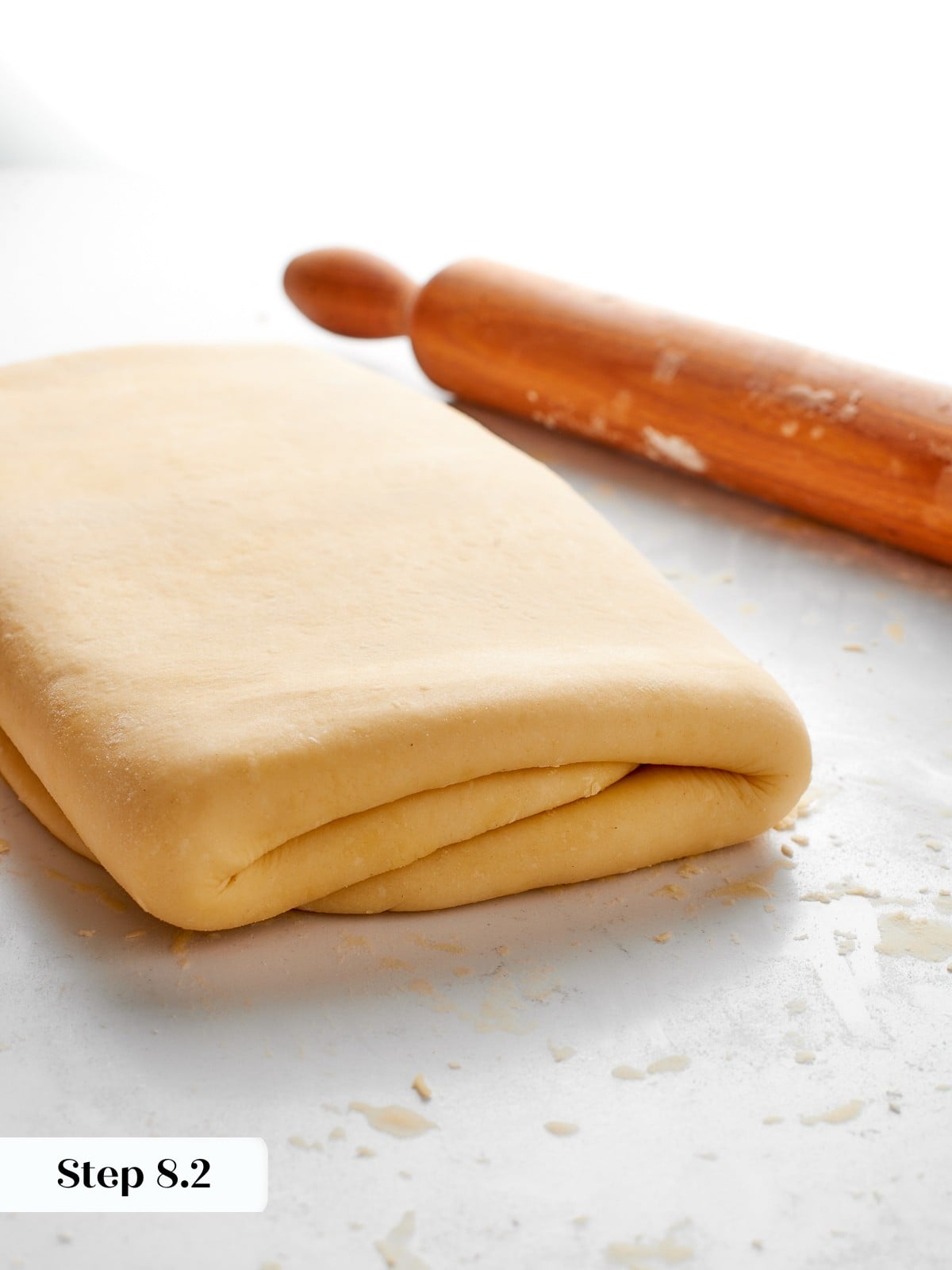
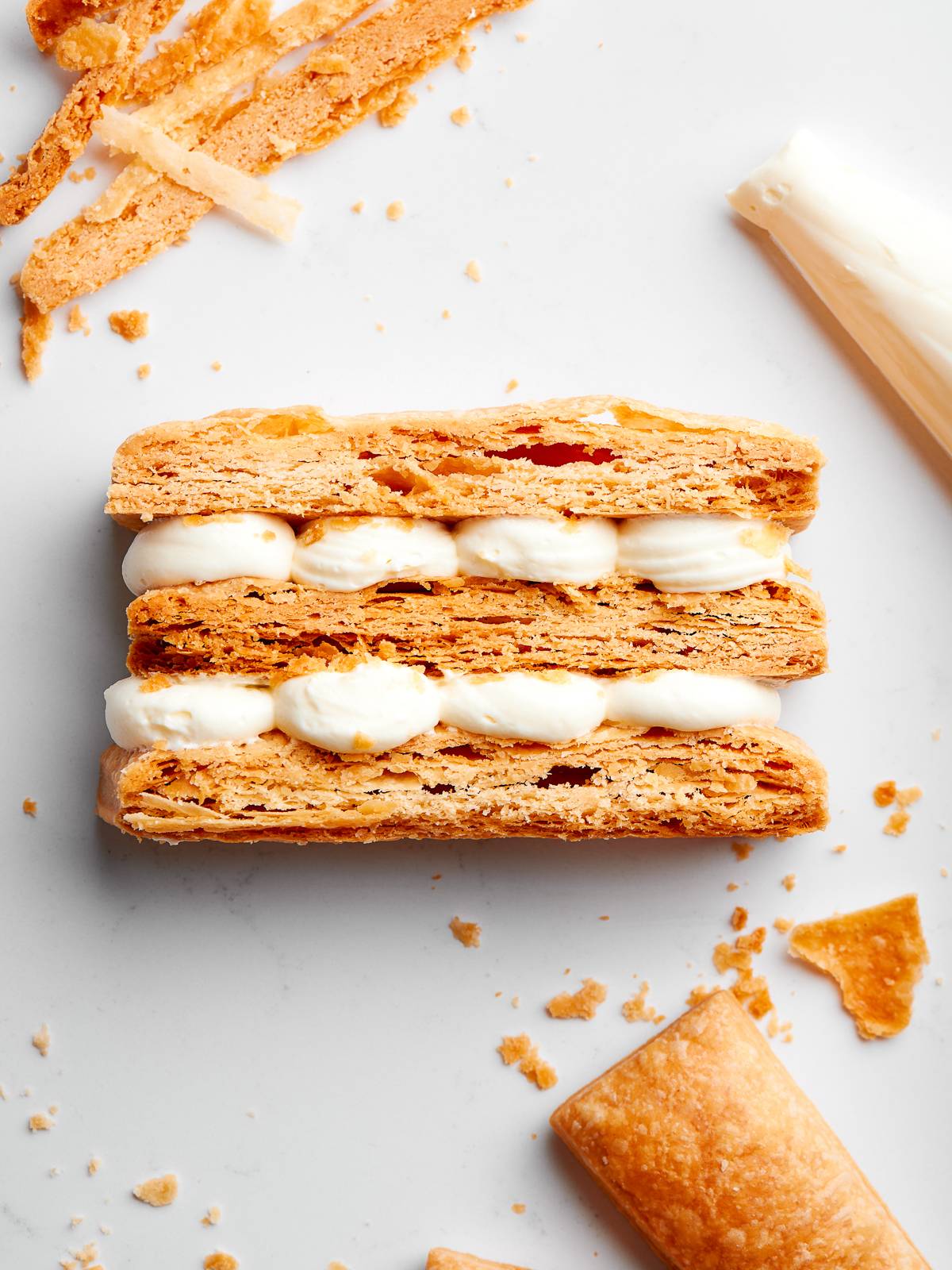
Step 8: Final rest. After all six turns, wrap and chill for at least 2 hours or overnight (overnight is best) (photos 13 & 14).
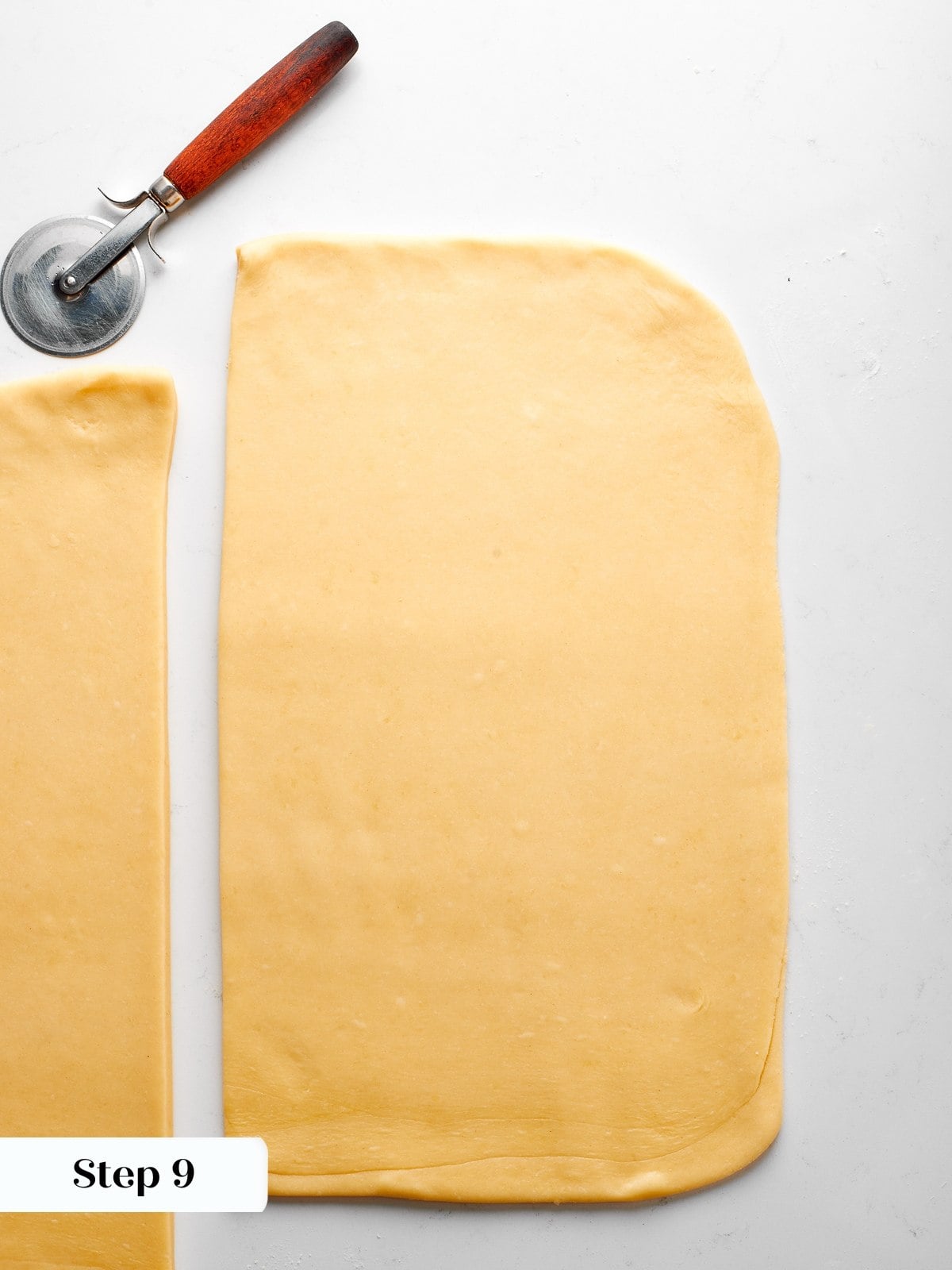
Step 9: Roll for use. Roll to ⅛-inch thick, working in halves and chilling between rolls as needed. Chill at least 30 minutes before cutting and baking at 375°F (preferably convection) (photos 15 & 16).
Chef Lindsey’s Recipe Tip
Rest and freeze your puff pastry flat to preserve even lamination!
Recipe FAQs
The difference between puff pastry and inverted puff pastry is the placement of the butter. In traditional puff pastry, the butter is enclosed inside the dough before folding. In inverted puff pastry, the butter layer surrounds the dough, which produces more even lamination, cleaner lift, and more consistent flakiness during baking. Because the butter is on the outside, it also creates better structural definition during the first folds.
Inverse puff pastry is flakier because the butter surrounds the dough during lamination. This positioning protects the butter layers during rolling, reduces butter breakage, and creates more uniform steam expansion in the oven. When baked, the water in the butter converts to steam and pushes the layers apart evenly, producing cleaner lift and more defined separation between layers.
Fruit turnovers, cheese straws, mille feuille, pot pie toppings, or elegant layered desserts. The structure is especially beautiful in an apple tarte tatin, where lift and caramel contrast matter. Rolled with sugar and sliced thin, this dough makes beautifully defined palmiers cookies.
Recommended Buttery Pastry Recipes
Cookie Recipes
Cinnamon Twist Recipe
Pies and Tart Recipes
Puff Pastry Fruit Tart
Pies and Tart Recipes
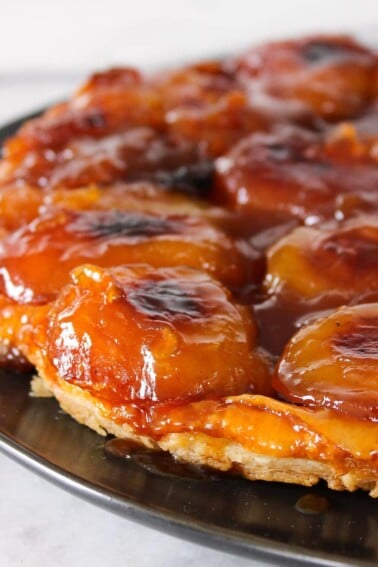
Apple Tarte Tatin
Cookie Recipes
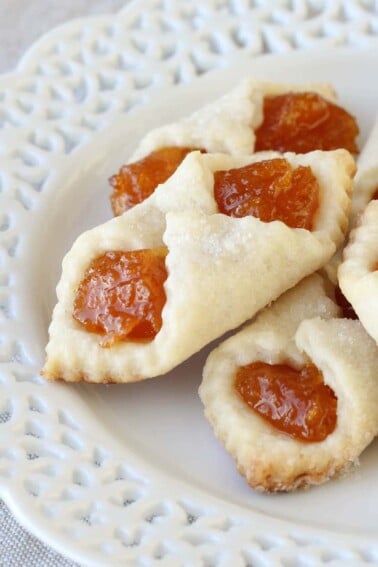
Apricot Kolacky Cookie (Kiffles) Recipe
If you tried this recipe and loved it please leave a 🌟 star rating and let me know how it goes in the comments below. I love hearing from you; your comments make my day!
Inverse Puff Pastry
Ingredients
Beurrage:
- 30 tablespoons unsalted butter
- 1 ⅓ cups all purpose flour
Détrempe:
- ⅔ cups water
- 2 teaspoons kosher salt
- 1 teaspoon distilled white vinegar
- 8 ½ tablespoons beurre en pommade
- 1 ¼ tablespoons sugar
- 1 ⅔ cups cake flour
- 1 ⅔ cups all purpose flour
Instructions
- Fold parchment into a 10-inch square.
- Mix butter and flour for beurrage until smooth. Roll into a 10-inch square inside parchment. Chill for 30 minutes.
- Combine dry détrempe ingredients. Cut in softened butter. Add water/vinegar mixture and mix until dough forms. Knead gently until smooth. Shape into 6½-inch square. Chill for 30 minutes.
- Remove butter 5–7 minutes before dough so both are cold but pliable.
- On a floured surface, place dough diagonally on a butter square. Fold butter over dough and seal seams.
- Roll to ¼-inch thick (about 18 by 7 inches). Perform one envelope fold. Wrap and chill for 30 minutes.
- Repeat two more sets of two single folds (six total turns), chilling 30 minutes between each set.
- After the final turn, chill for at least 2 hours or overnight.
- Roll to ⅛-inch thick. Chill 30 minutes before cutting.
- Bake at 375°F (preferably convection) until deeply golden and fully puffed.
Video
Notes
- Technique: Butter must stay cold yet pliable throughout lamination.
- Storage: Freeze flat between parchment for up to 2 months. You can refrigerate up to 2 days before using.
- Yield: Two baking-sheet-sized sheets of dough.
Nutrition
Before You Go
I hope you enjoyed diving into lamination and butter science. Once you’ve mastered this inverse puff pastry, try it in a puff pastry fruit tart or use it anywhere you’d normally reach for store-bought puff.








Can’t wait to try this! Which brand of AP flour do you recommend for this? I use both Gold Medal and King Arthur, but usually Gold Medal for pastry. Thanks!
Hi Susan! Looking forward to hearing what you make with your inverse puff pastry! I might have answered you on YouTube also, but I like to shoot for a lower gluten flour for my pie crusts and puff. As far as AP flour brand, the easiest way to tell how much gluten is in flour is to look at the nutritional labels. The higher the protein, the higher the gluten. This is best understood in relation to other flours, so if you find yourself at the grocery store not knowing which flour to choose for puff pastry, simply take a peek at the protein content in relation to the other brands and varieties on display.
Hi! At the end of your video when you rolled it out thin, how thin was it? And/Or how thin should you roll it when you want to freeze it? Can’t wait to try it, thanks!
Hi Erika! After my long (typically overnight) chill, I do the following: Roll ⅛ inch thick, chilling as needed to prevent the dough from getting too warm or shrinking. I find it easier to roll it about the size of a baking sheet, chill and then slice the dough in half with a pizza cutter. Continue rolling one half while the other half chills and then swap them out as they warm up or start to shrink until they are both about ⅛ inch thick. You will end up with two pieces of dough the size of a baking sheet.
Please let me know how it turns out and happy puff-pastry-ing! 🙂
this was such a clear and excellent demo of how to make inverse puff pastry…thanks so much Chef Farr for it! Quick Q: Can we basically swap inverse puff pastry in any recipe that calls for puff pastry? Thanks again.
Aww thank you!!! Absolutely! You can use this puff pastry for any recipe calling for puff pastry! Happy baking!
Question! How long can this be stored in the refrigerator/freezer?
Frozen – 1 month (be sure to roll it out and freeze it in sheets between double layers of parchment); Refrigerated- 1 week but I never keep it refrigerated more than 4 days. The dough will start to grey and the gluten will develop over time on it’s own. This will eventually make it difficult to roll out. If you aren’t going to use it within 2-3 days, it is best to freeze it!
Hello there! Thank you for posting this recipe and video. Does it matter which brand of kosher salt to use when measuring by weight? I have Diamond Crystal and Morton’s. Thanks for the help.
Hi Lainey! Different brands of kosher salt do differ in crystal size. I use Diamond Crystal Happy baking!
I looooove puff pastry! I actually just made some for some turkey and cheese pastries for dinner yesterday lol
Nice! I can’t say I’ve ever just whipped up some for dinner! lol Bravo
I do it at night after the kids are asleep ????
Haha! Nice!
Interesting! I’ve made puff pastry before, but I’ve never even heard about inverse puff pastry. You’ve got my interest piqued now, Lindsey. I might have to try this out during the quarantine – I’m going crazy up here. Puff pastry is a labor of love, but hey we have the time right now. Also, this line: “Integrity in pastry is just as important as in life.” 🙂
Give it a go! It makes such superior puff especially when you have a dough sheeter. It is generally what French bakeries make and even how they make the very nice, restaurant quality frozen puff.
I am hoping you do a post on how to make sour dough starter! I have had 2 fails so far and so am no closer to making your bread and am feeling pretty frustrated, especially since you can’t buy Companion Bread at Dierbergs anymore!! But I am excited to see your post about the puff pastry. There is a book review in today’s Wall Street Journal that you will love “Let Us Eat Cake” debunking all the studies that show we shouldn’t eat processed foods and sugar. Stay well and stay sane!
I’m wishing you more success for this next starter venture! I see you saw the post 🙂 So you can create the sourdough bread of your dreams! Hopefully Companion will be back soon too! I’ll get my mom to send me the article xo