
This post may contain affiliate links. Please read our disclosure policy.
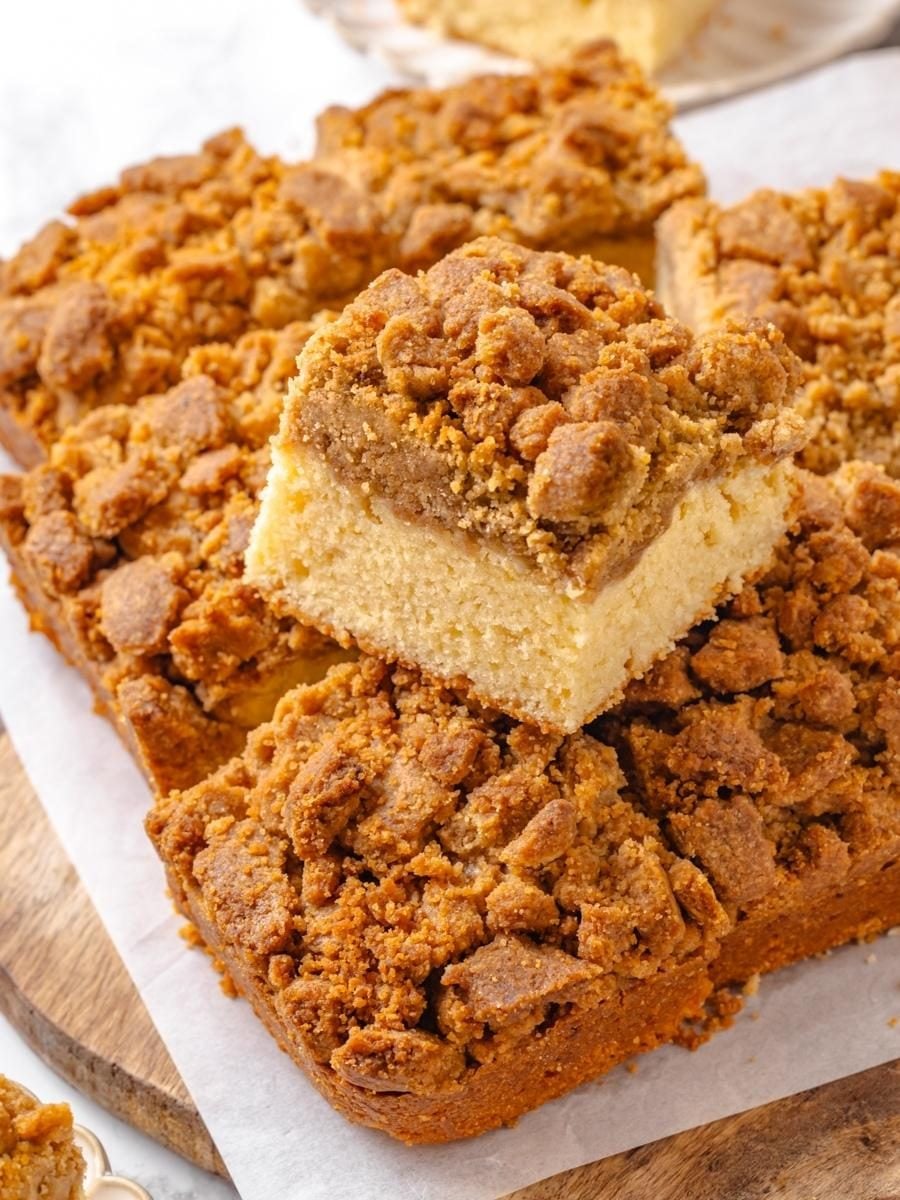
Crumb cake is one of those recipes where the ratio of topping to cake matters as much as the technique. This version uses a sour cream base for structure and a substantial cinnamon-sugar crumb layer that holds its crunch from the first slice to the last.
A Quick Look At The Recipe
This is a brief summary of the recipe. Jump to the recipe to get the full details.
Jump to RecipePrep Time
12 minutes
Cook Time
1 hour 3 minutes
Total Time
1 hour 15 minutes
Servings
9 Slices
Difficulty
Intermediate
Calories *
687 kcal per serving
Technique
Creaming method for the cake base; crumb topping assembled separately and layered before baking for a thick, crunchy finish.
Flavor Profile
Vanilla-rich, warm cinnamon-sugar, buttery, lightly sweet.
* Based on nutrition panel
I was so excited for all that crumb topping, I was choosing to trust you and man it was absolutely perfect! Perfect cake for a streusel lover! I followed the tip about pressing the crumb gently into the batter before baking, and every piece came out clean with a full layer of crunchy topping right to the edge. This is the crumb-to-cake ratio I have been looking for. ⭐⭐⭐⭐⭐
Lisa
Why This Recipe Works
- High crumb-to-cake ratio. The crumb topping is nearly equal in volume to the cake layer beneath it, so every slice delivers that thick, crunchy-on-top, soft-and-chewy-where-it-meets-the-cake texture that makes crumb cake worth making.
- Sour cream base for structure and tenderness. The sour cream adds enough richness and acidity to produce a plush, tight crumb that can support the weight of the topping without collapsing or baking into something dense. If you love a sour cream-forward cake, be sure to try my sour cream pound cake next!
- Standard pantry ingredients only. This recipe relies entirely on flour, butter, sugar, eggs, sour cream, and spices. Room-temperature ingredients ensure the batter comes together smoothly, and the creaming method keeps the process straightforward from start to finish.
Table of Contents
This is my go-to, no-fuss crumb cake recipe: a plush vanilla sour cream base topped with a mountain of cinnamon-sugar crumb. The crumb is nearly equal to the cake, delivering that perfect balance of a soft, chewy center and a crunchy, cinnamon-kissed top. It’s the kind of bakery-style crumb cake you can whip up with pantry staples, finished with a dusting of powdered sugar if you’re feeling fancy.
This crumb cake is the one I come back to when I want something unfussy and satisfying from ingredients already in the pantry. If a spiced variation sounds appealing, my pumpkin coffee cake takes the same format in a completely different seasonal direction. Or you could try this cinnamon flop for another cinnamon foward breakfast treat!
Ingredients & Substitutions
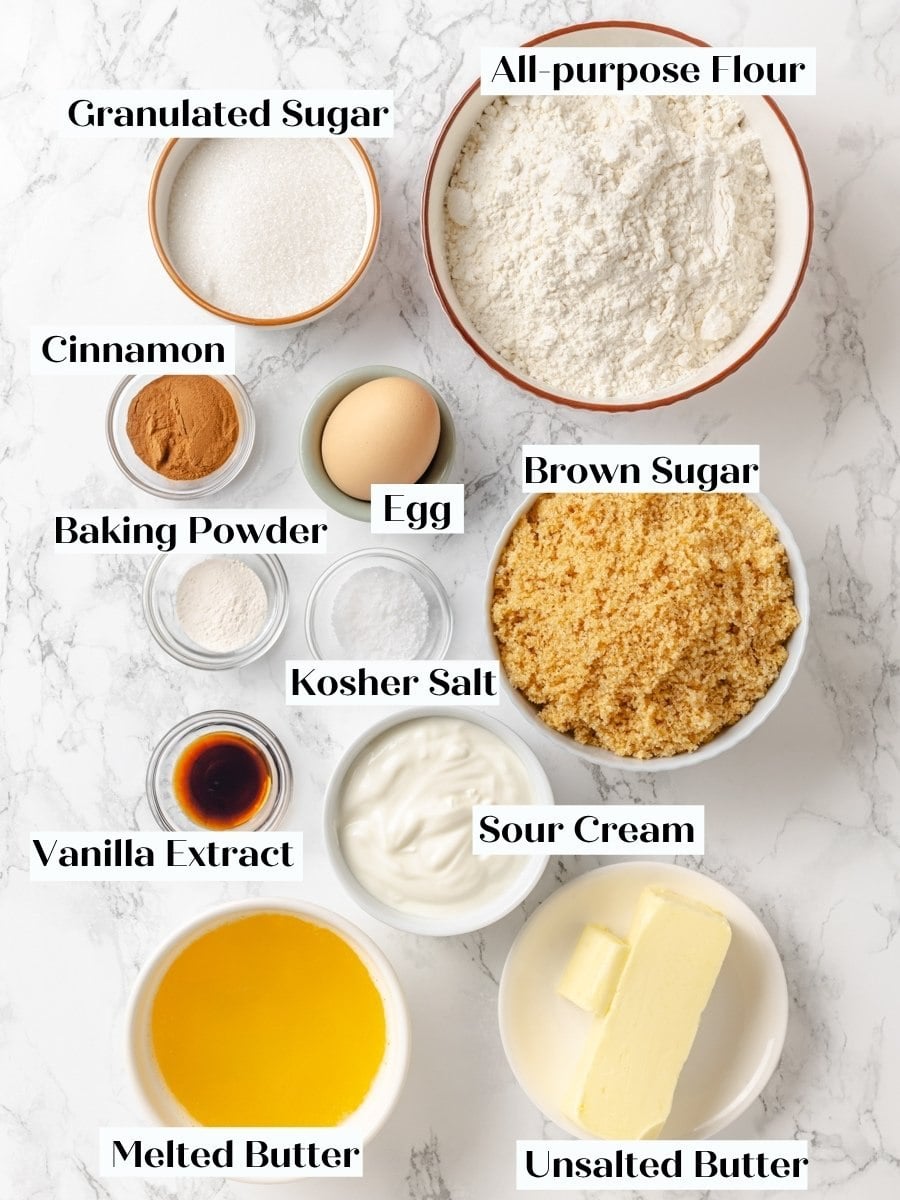
- Egg: The egg provides structure and emulsifies the fat and liquid in the batter. Use it at room temperature so it incorporates evenly, and the batter stays cohesive rather than breaking.
- Sour Cream: Sour cream is the primary source of moisture and richness in this cake, producing a plush, tight crumb rather than an open, fluffy one. Its acidity tenderizes the gluten and balances the sweetness so the base does not taste flat under the topping. It also makes the most amazing donuts; you must try these sour cream donuts next!
- Baking Powder: Baking powder is the leavener for the cake layer, giving it lift in the oven. The amount is calibrated to support the weight of the crumb topping without causing tunneling or an overly coarse crumb.
- All-Purpose Flour: This flour provides the cake’s structural network, allowing it to hold the thick layer of crumbs on top. Weighing the flour using a kitchen scale is the only way to guarantee consistent results. Too much flour from a packed measuring cup will produce a dry, tough base; too little and the cake sinks under the topping. If you want to see how a vanilla sour cream base performs in a layer cake format, my Moist Vanilla Cake uses a similar foundation.
- Light Brown Sugar (crumb topping): Light brown sugar is the backbone of the crumb, providing both sweetness and the moisture needed to form clumps. Its molasses content helps the crumbs bake up with a slightly chewy, caramelized edge rather than turning sandy.
- Ground Cinnamon: Cinnamon is the dominant spice in the crumb, and the tablespoon called for here is intentional. The quantity is high enough that the spice remains clearly present against the rich butter and sugar. Feel free to swap in a little cardamom or nutmeg alongside it if you want a different profile.
See the recipe card for full information on ingredients and quantities.
Variations on This Crumb Cake
- Change the Spice. Swap the cinnamon for this pumpkin spice recipe, apple pie spice, or this speculoos spice mix.
- Add a fruit filling! You can make this apple coffee cake or add some cherry pie filling!
- Add some mix-ins! You can layer some chocolate chips, walnuts, pecans, or Reese’s Pieces on top of the batter before adding the crumble for added flavor. You could also make a funfetti version by adding sprinkles to the batter and crumble!
Professional Tips
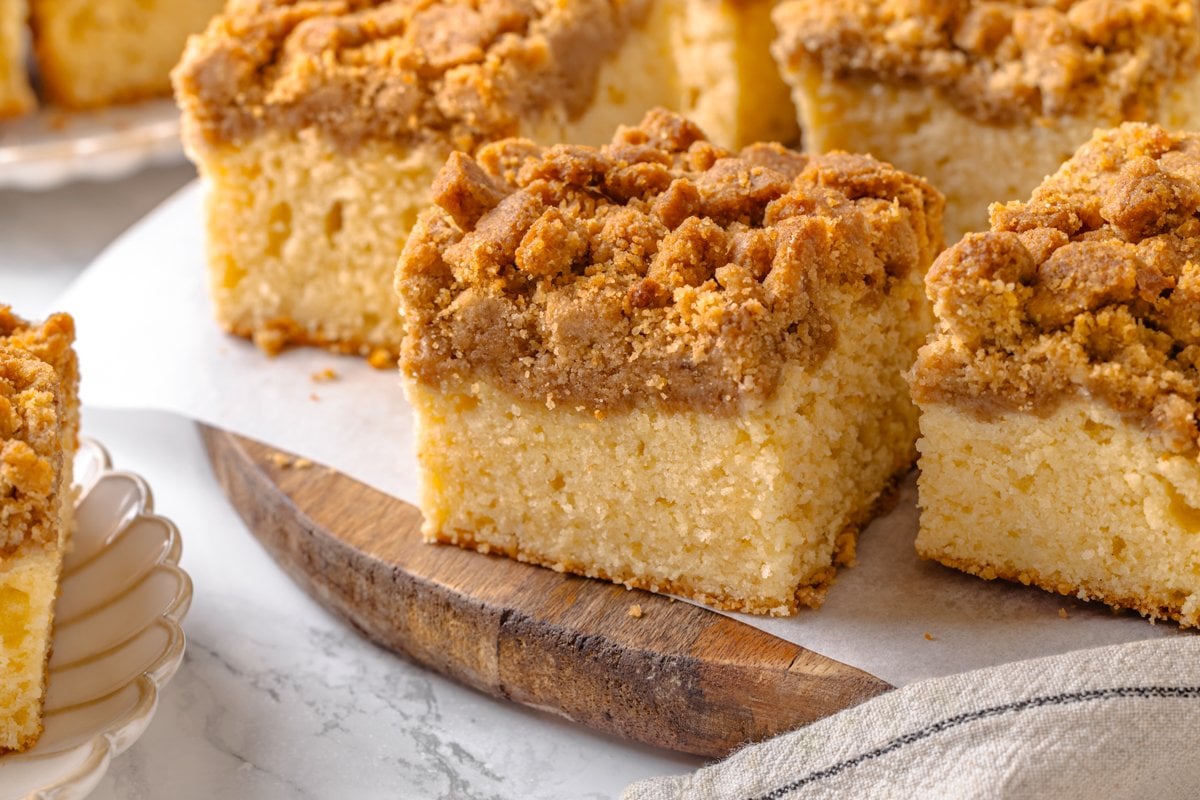
- Make the crumb topping first and let it rest. Mixing the crumb while the butter is still slightly warm and then setting it aside allows the fat to firm up again before baking, producing distinct large chunks alongside finer crumbles. A crumb topping used immediately tends to melt into a uniform, dense layer rather than the varied texture you want.
- Room temperature ingredients are not optional here. Cold butter will not cream properly, and cold eggs can break the emulsion, producing a batter that looks curdled and bakes into a denser, tighter cake. Pull everything out at least 30 to 45 minutes before you begin.
- Stop mixing the moment the flour is incorporated. Overworking the batter after the flour goes in develops gluten and toughens the crumb, which becomes especially noticeable under the weight of that thick topping. The batter should look smooth and cohesive, not satiny or elastic.
How to Make Crumb Cake
Start by making the crumb topping, then mix the batter while it rests. Further details and measurements can be found in the recipe card below!
Make the Crumb Topping
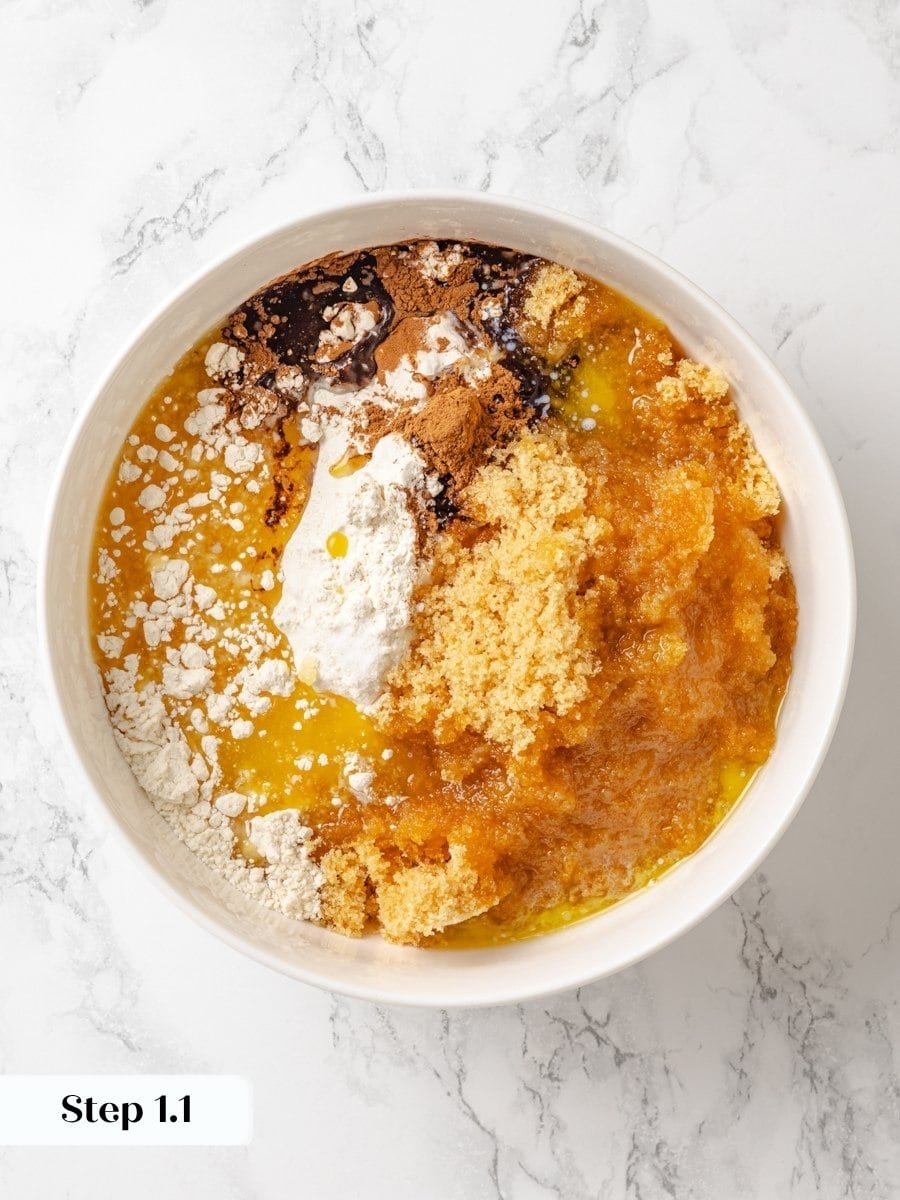
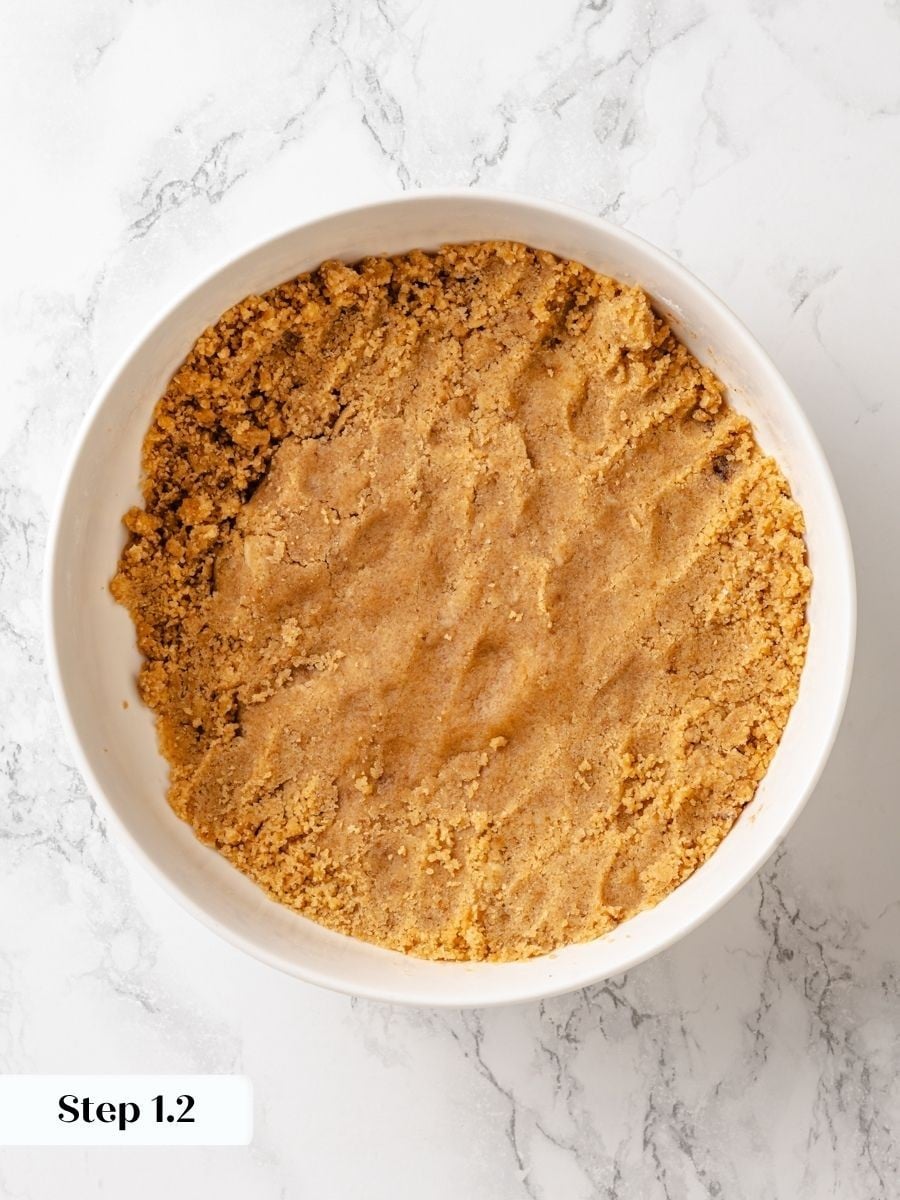
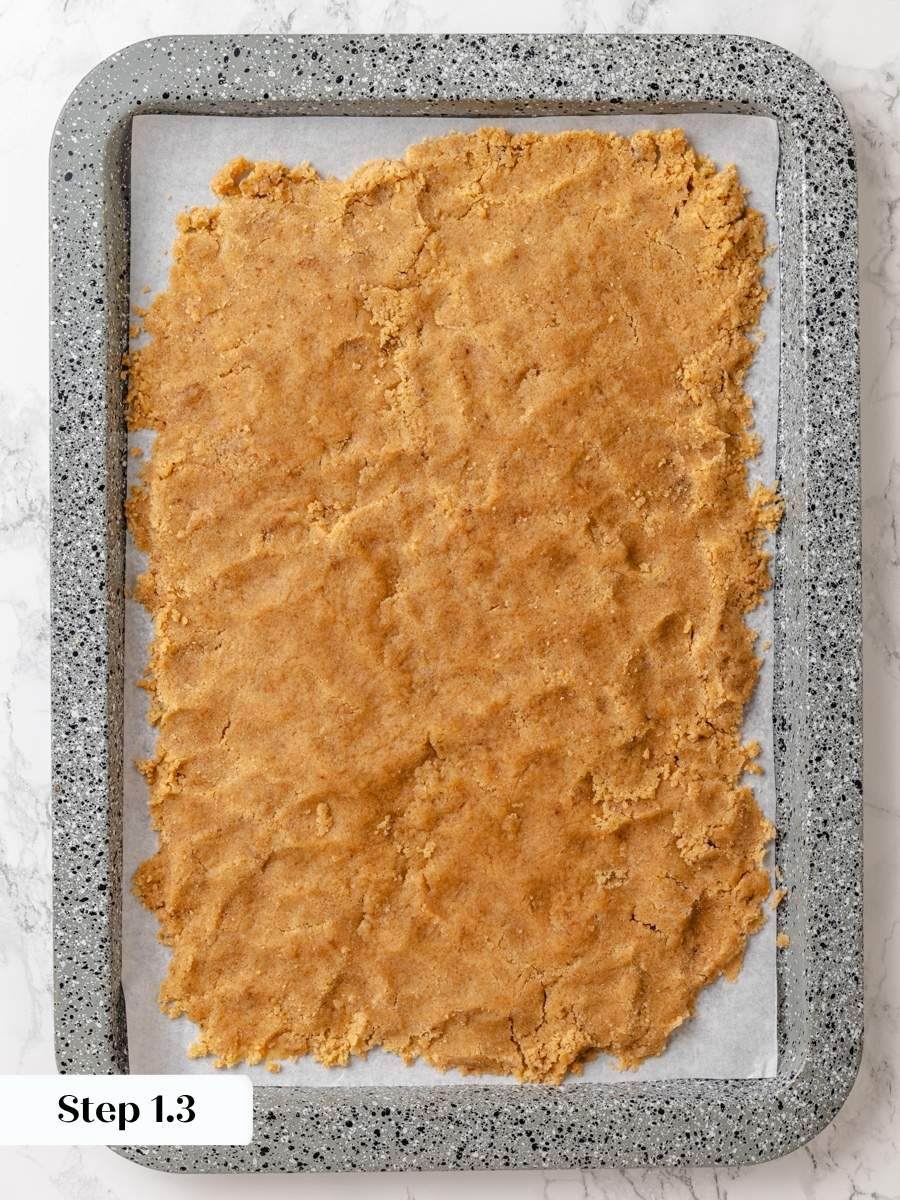
Step 1: Combine all the crumb topping ingredients in a bowl and mix until the butter is evenly distributed and the mixture clumps together. Press it into the bottom of a parchment-lined baking sheet or baking dish and set it aside at room temperature. Letting it sit while you prepare the batter gives the butter time to firm back up, which is what creates those big, satisfying chunks alongside the smaller crumbles. (photos 1-3).
Step 2: Prep the pan and preheat the oven. Spray a 9×9 inch baking dish or cake pan and line the bottom with parchment paper. Preheat your oven to 325°F convection or 350°F conventional.
Make the Batter
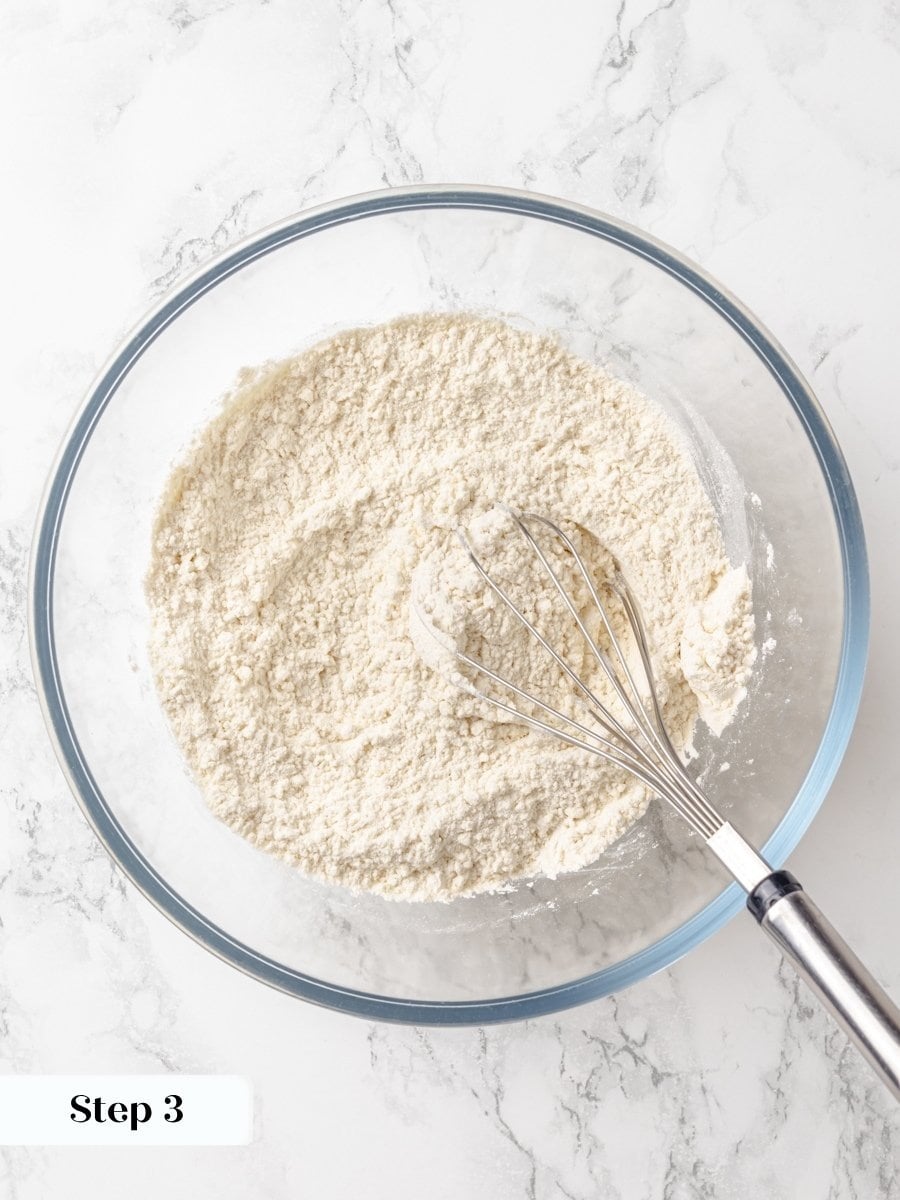
Step 3: Whisk the dry ingredients. In a bowl, whisk together the all-purpose flour, baking powder, and kosher salt until combined. Set aside. (photo 4).
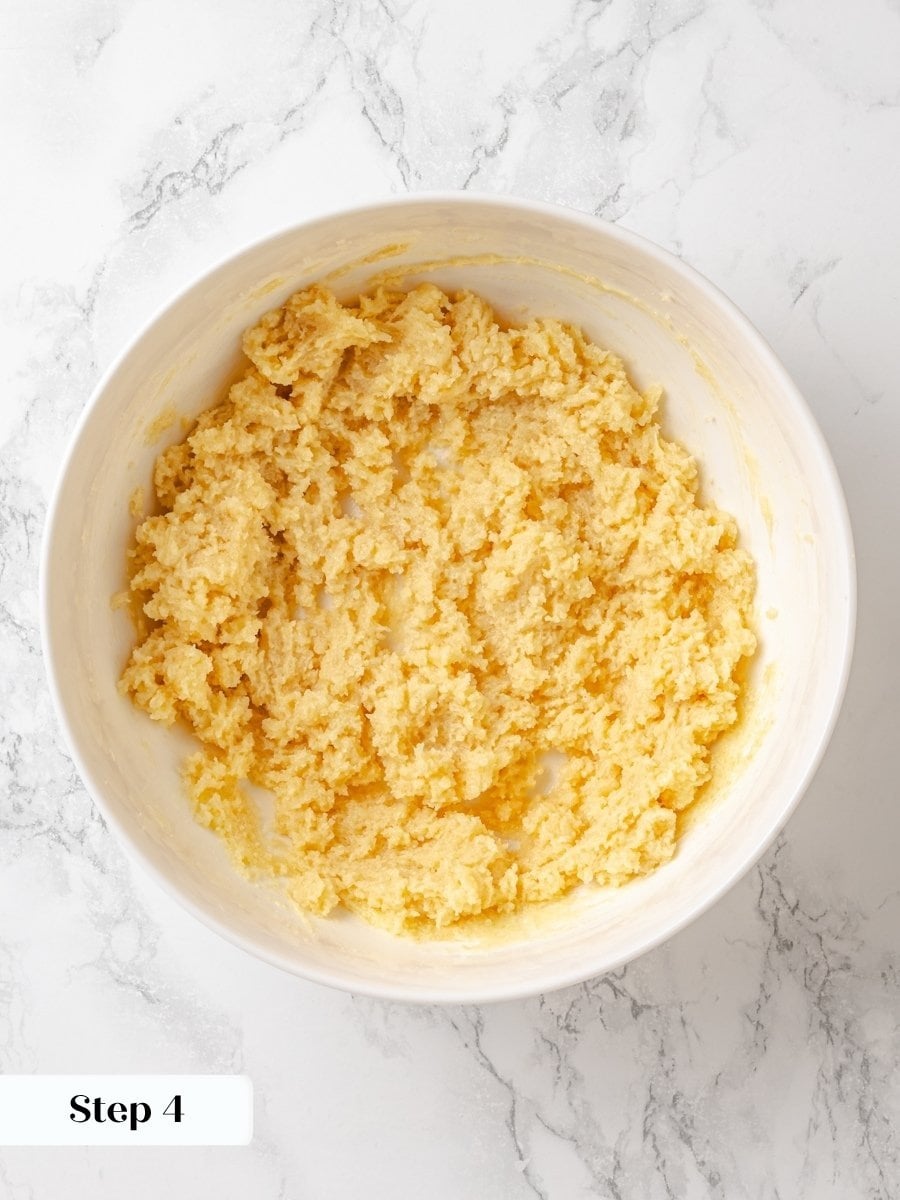
Step 4: Cream the butter and sugars. In the bowl of a stand mixer fitted with the paddle attachment, cream the butter, brown sugar, and granulated sugar together until the mixture is pale, fluffy, and significantly increased in volume. (photo 5).
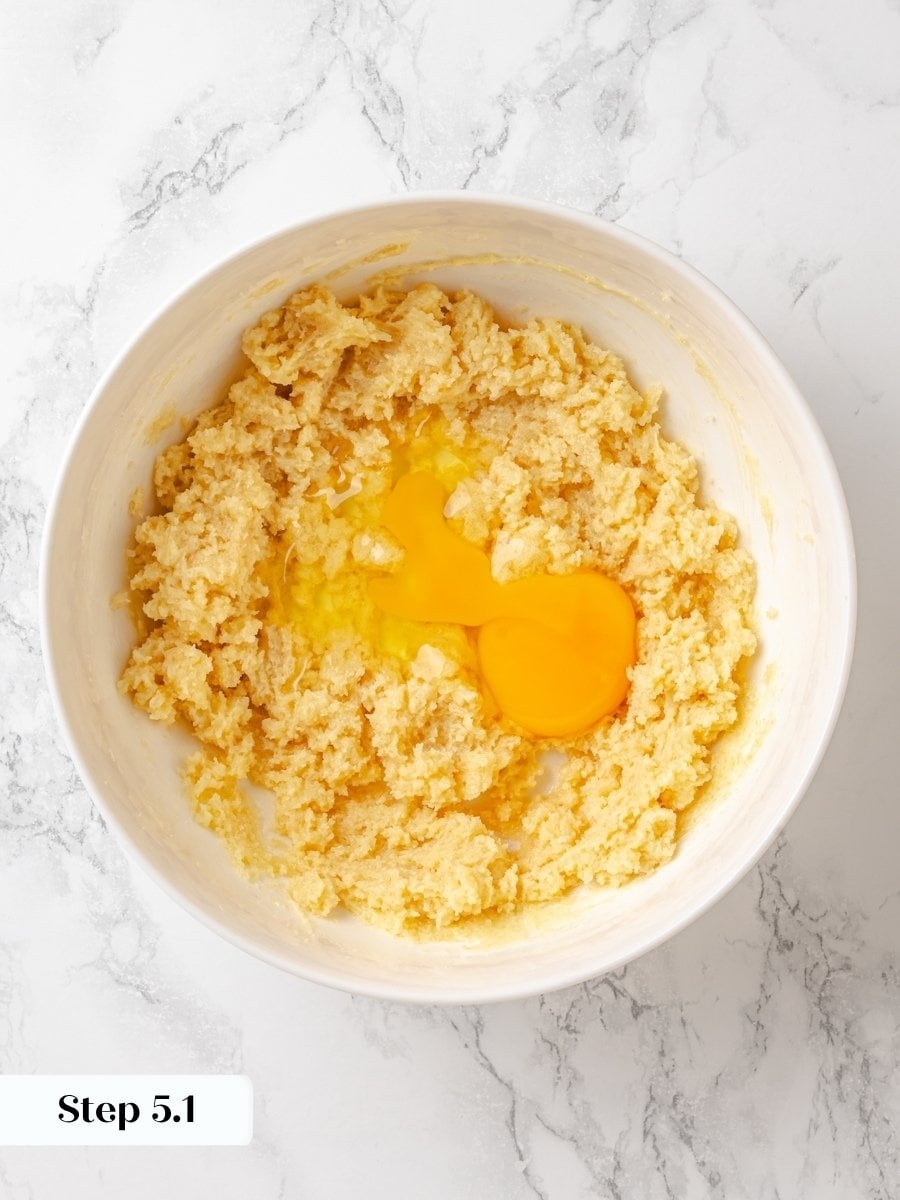
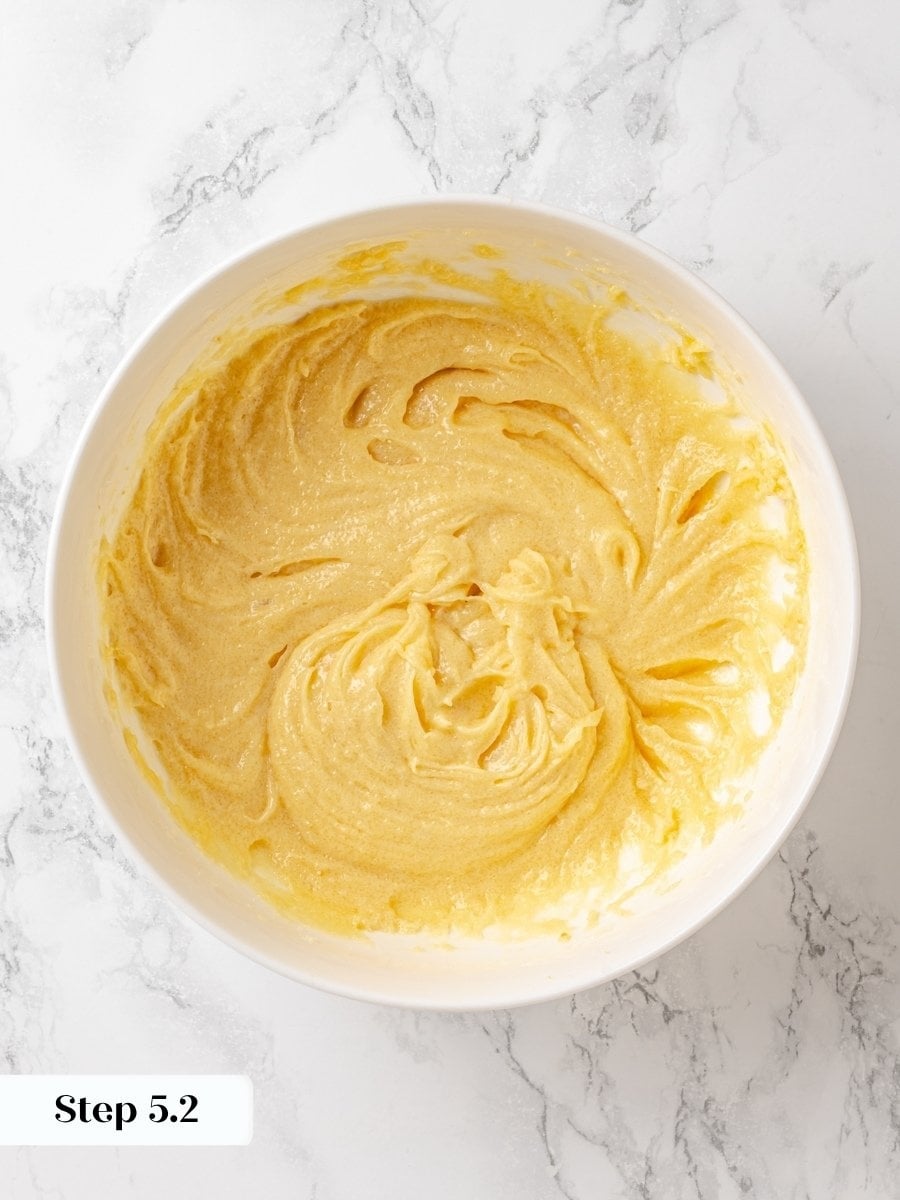
Step 5: Beat in the eggs. Add the eggs one at a time, beating after each addition until fully emulsified before adding the next. (photos 6 & 7)
If your eggs are cold, the mixture may look broken or curdled, and that is completely normal. Keep going, and it will come back together once the other ingredients go in.
Step 6: Combine the wet ingredients. In a separate bowl, whisk together the milk, sour cream, and vanilla until smooth. Room-temperature dairy incorporates more easily and keeps the batter from seizing or going lumpy.
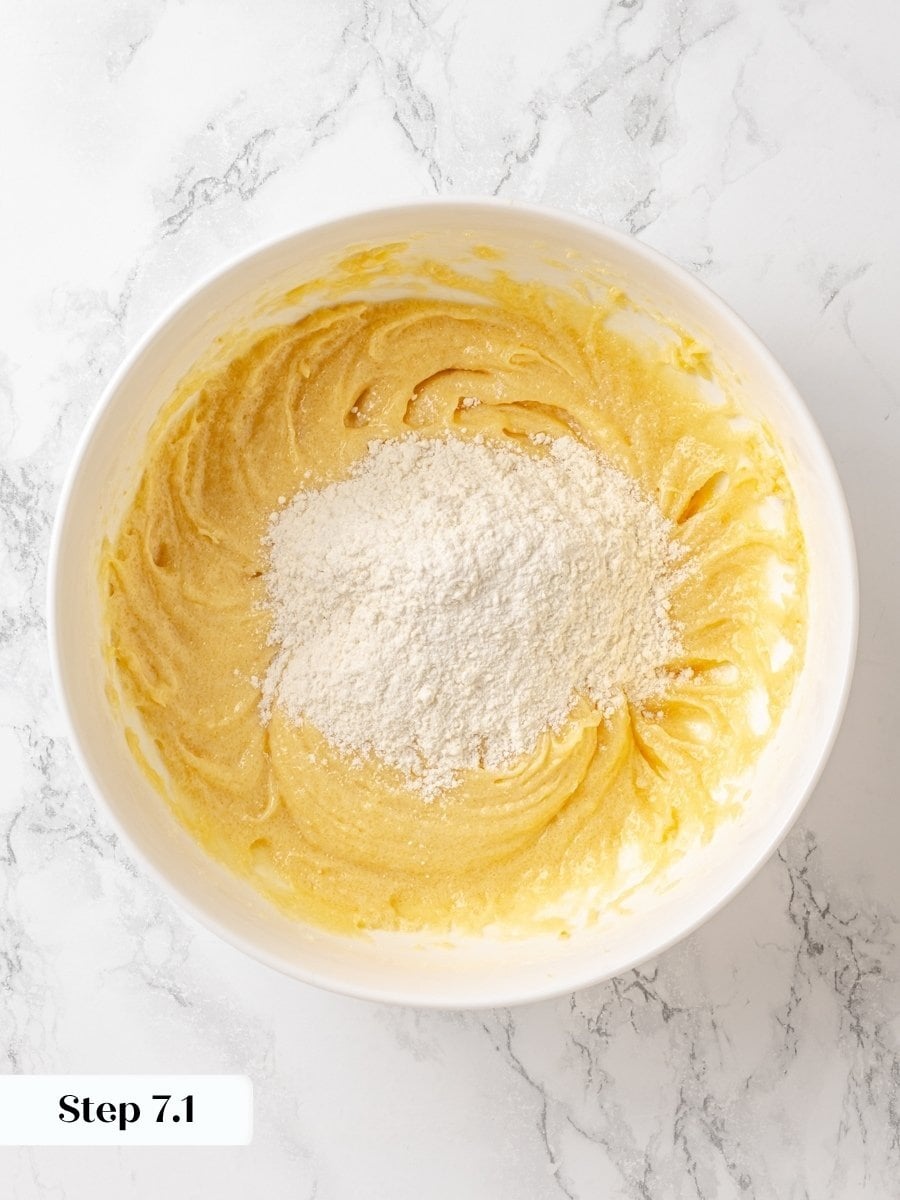
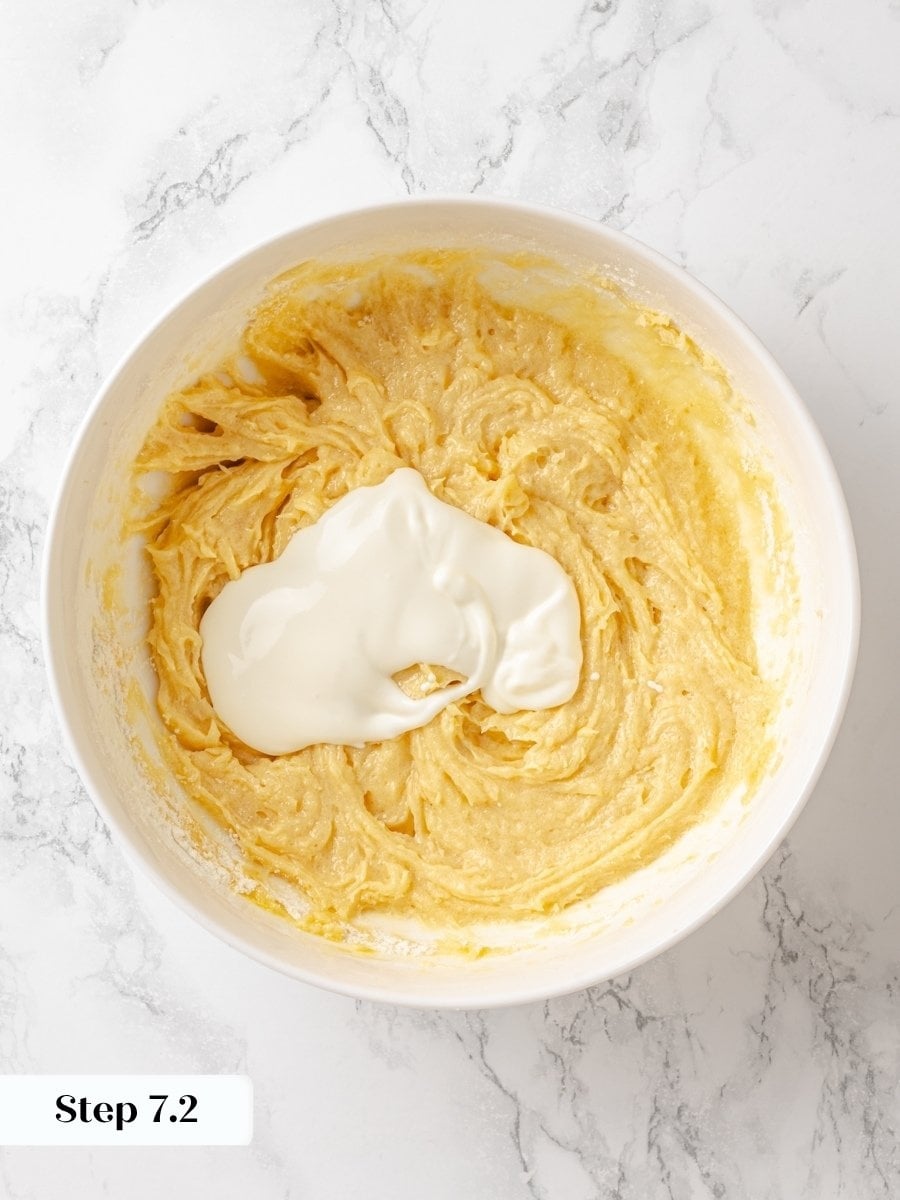
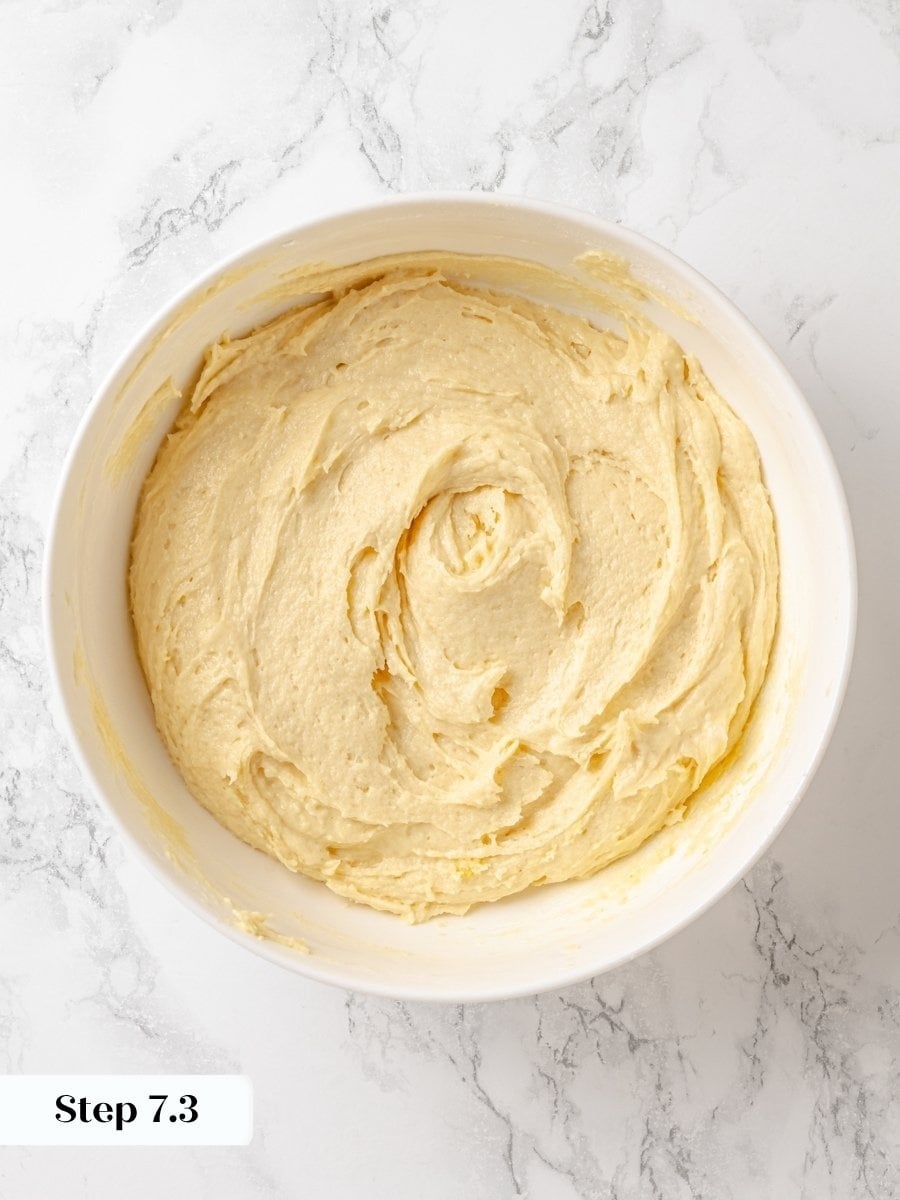
Step 7: Alternate the dry and wet ingredients. With the mixer on low, add the dry and wet ingredients alternately, starting and ending with the flour mixture. The batter will look smooth and thick once it comes together. To finish, I switch to a spatula and fold by hand, which keeps gluten development minimal and ensures nothing is hiding at the bottom of the bowl, which I love. (photos 8-10).
My third round of testing landed on this vanilla sour cream base for a reason. Earlier versions were too light or too soft to hold up under that generous layer of crumb. If you want the structure to carry the topping, do not reduce the sour cream.
Assemble the Cake
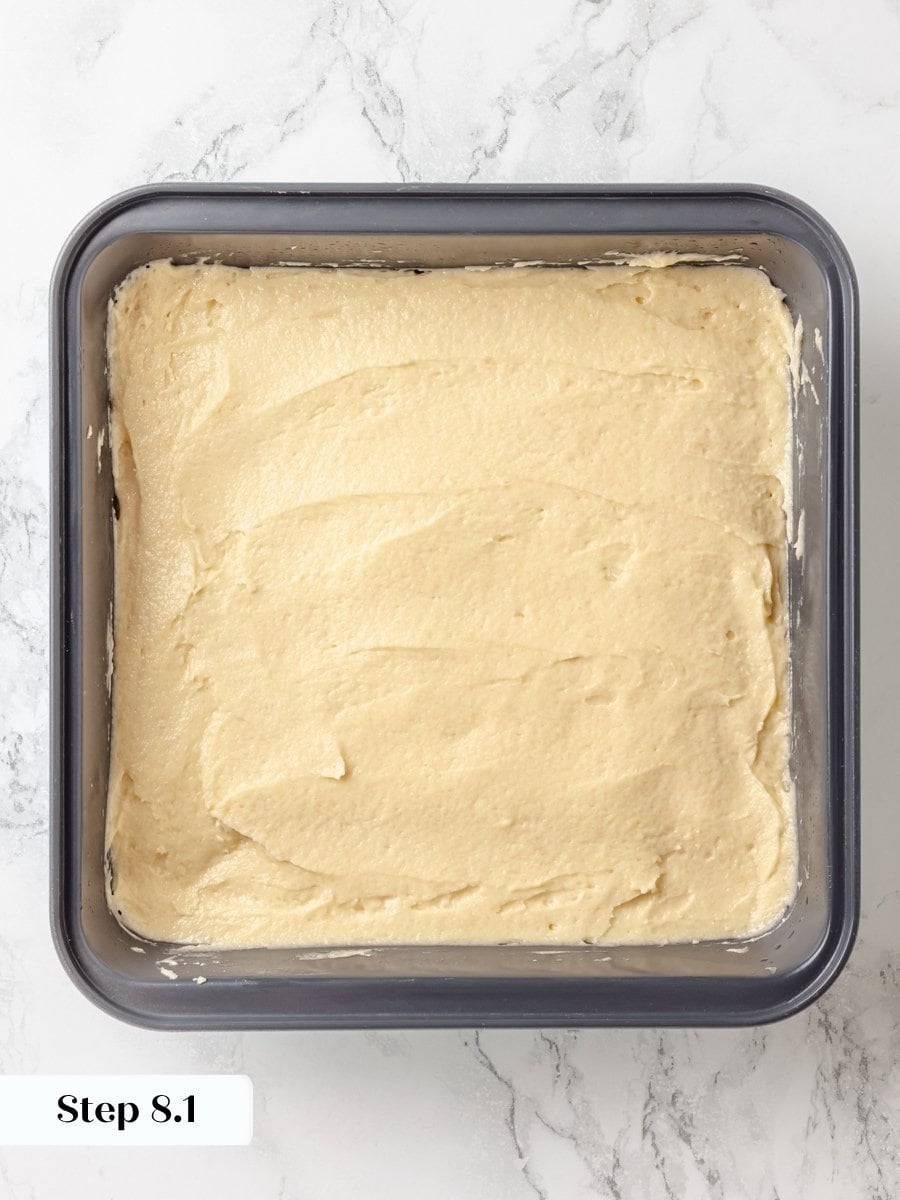
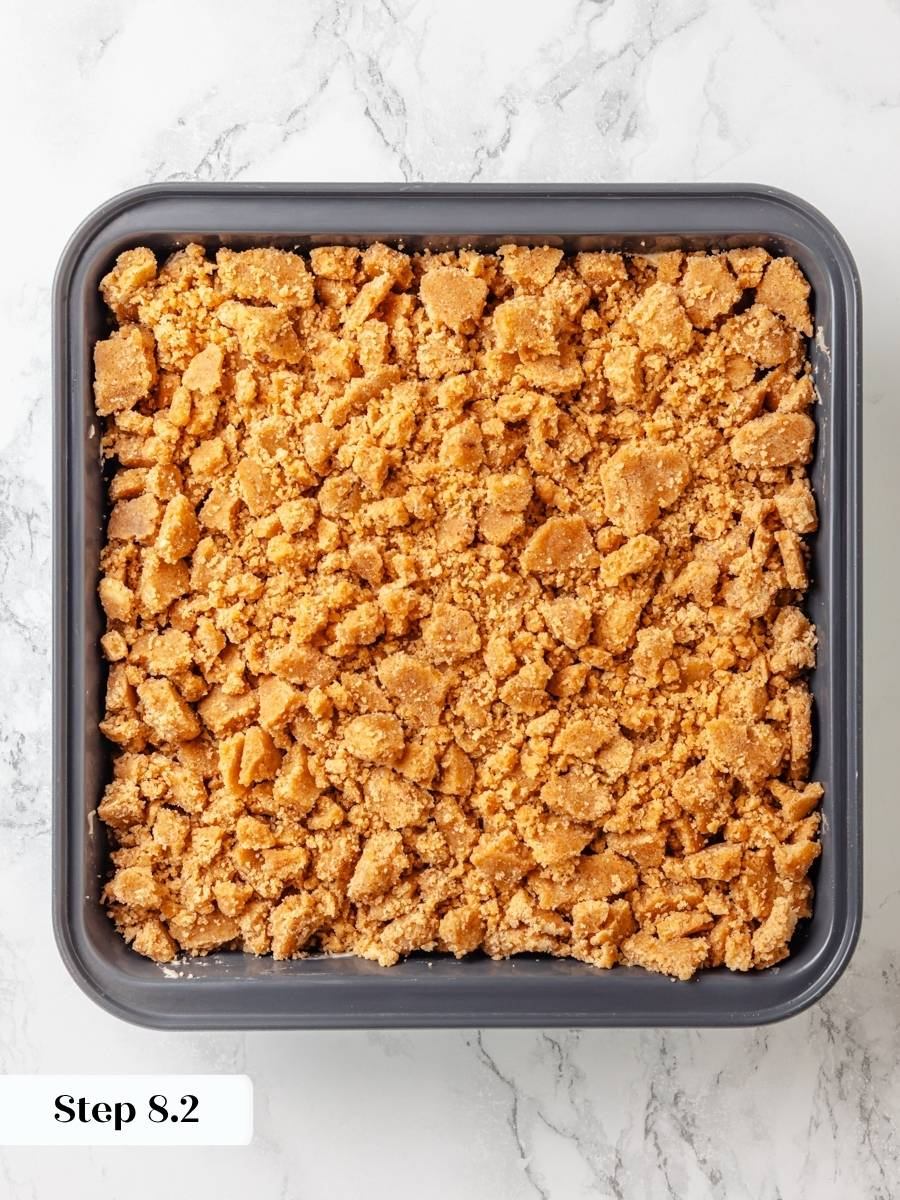
Step 8: Spread the batter evenly into the prepared pan. It is thick enough to hold its shape but will smooth out with a few passes of an offset spatula. Then break the crumb topping into chunks and crumbles with your hands, and scatter it over the entire surface in an even layer. You want full coverage: every bite should have both cake and crumb. (photos 11 & 12).
Bake
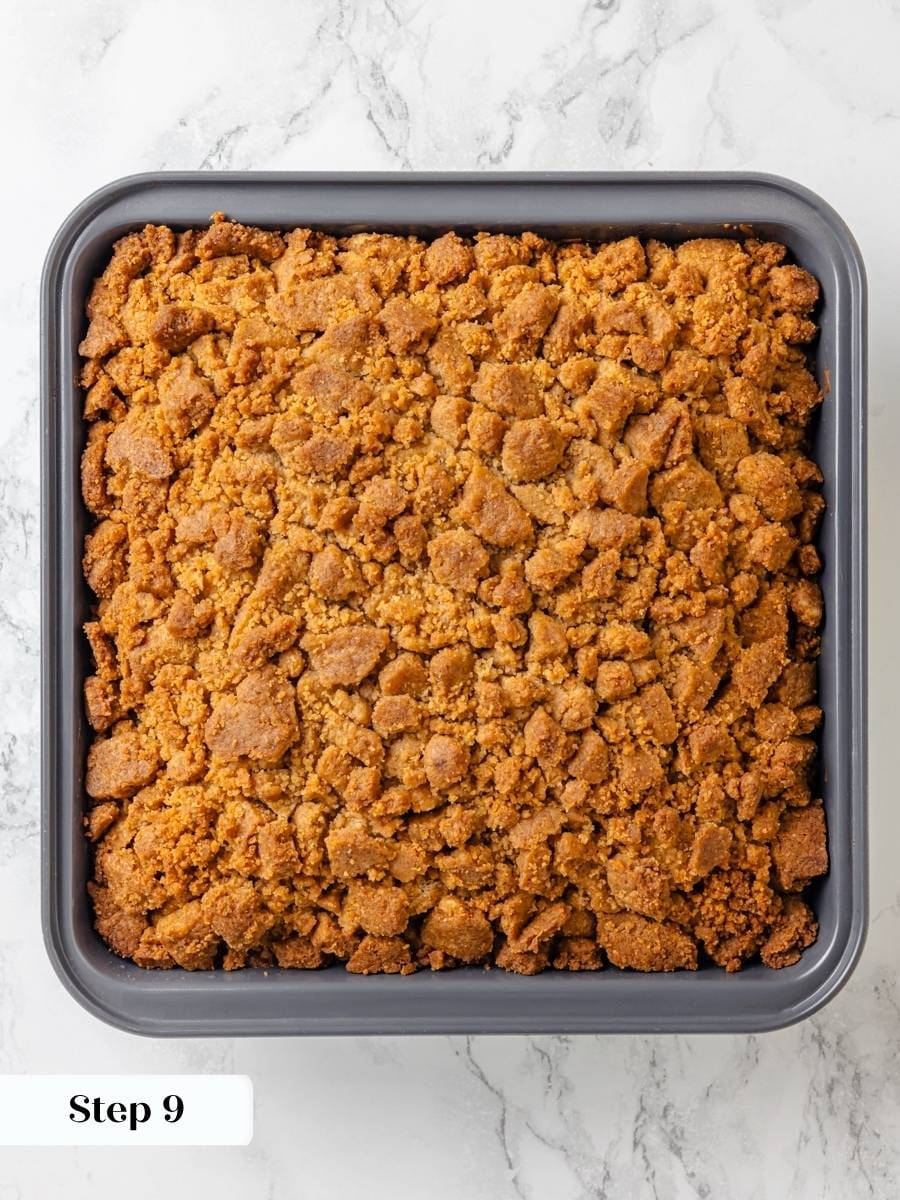
Step 9: Bake for 42 to 45 minutes, but start checking at 42 and do not stop there if you are using a ceramic dish or a conventional oven without a fan. The center should puff up, the top should be a deep golden brown, and a skewer inserted in the center should come out with just a few clinging crumbs. (photo 13)
In my testing, a ceramic dish at 350°F conventional took a full 63 minutes, so trust the visual cues over the clock. The edges will be set and slightly crisp, and where the crumb meets the cake underneath, you will notice it stays soft and almost chewy, which is exactly right.
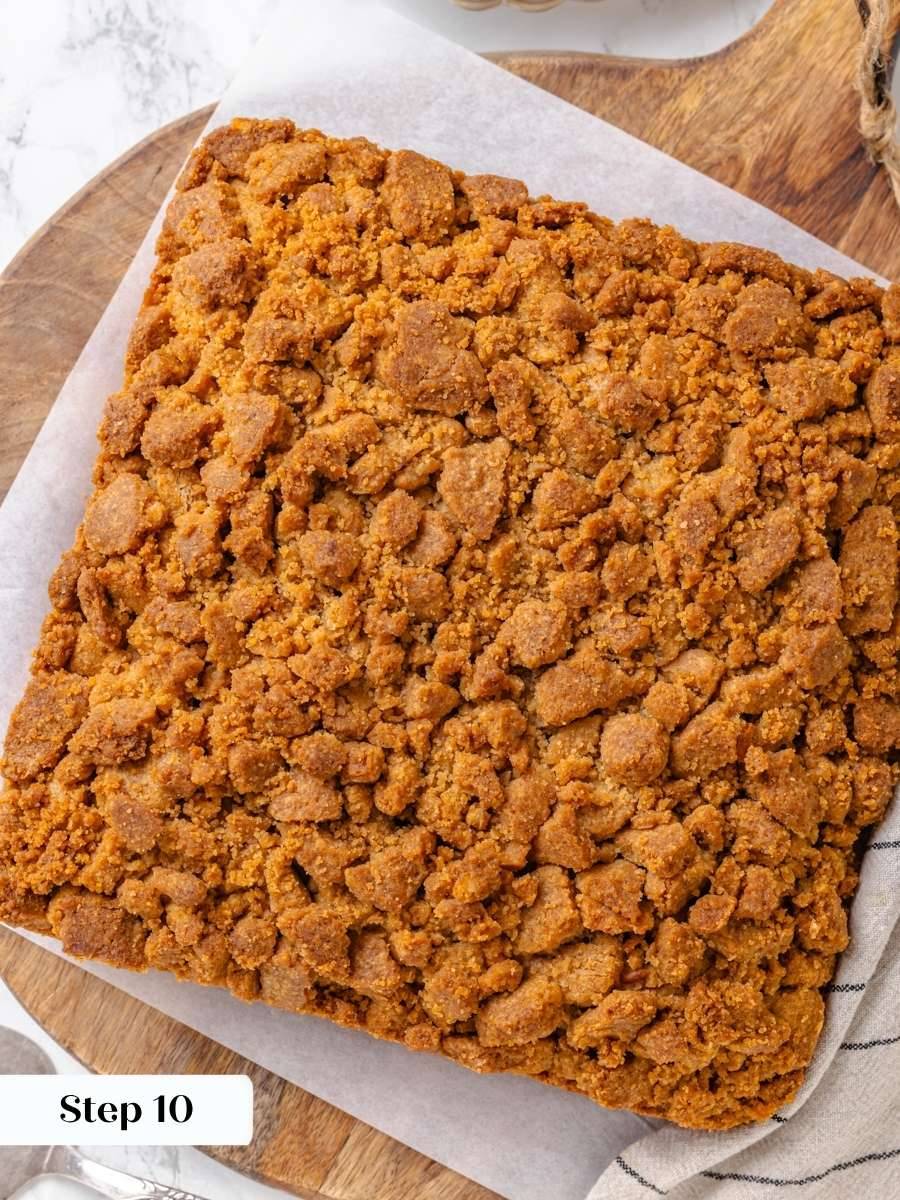
Step 10: Cool completely before slicing. Remove the pan from the oven and set it on a wire cooling rack. Let the cake cool completely before cutting into it. The crumb topping needs time to set so the chunks hold their shape when you slice, and the interior needs to finish setting through residual heat. Cutting too soon gives you a soft, collapsing slice instead of clean squares with that satisfying layer of crumb on top. (photo 14).
Chef Lindsey’s Recipe Tip
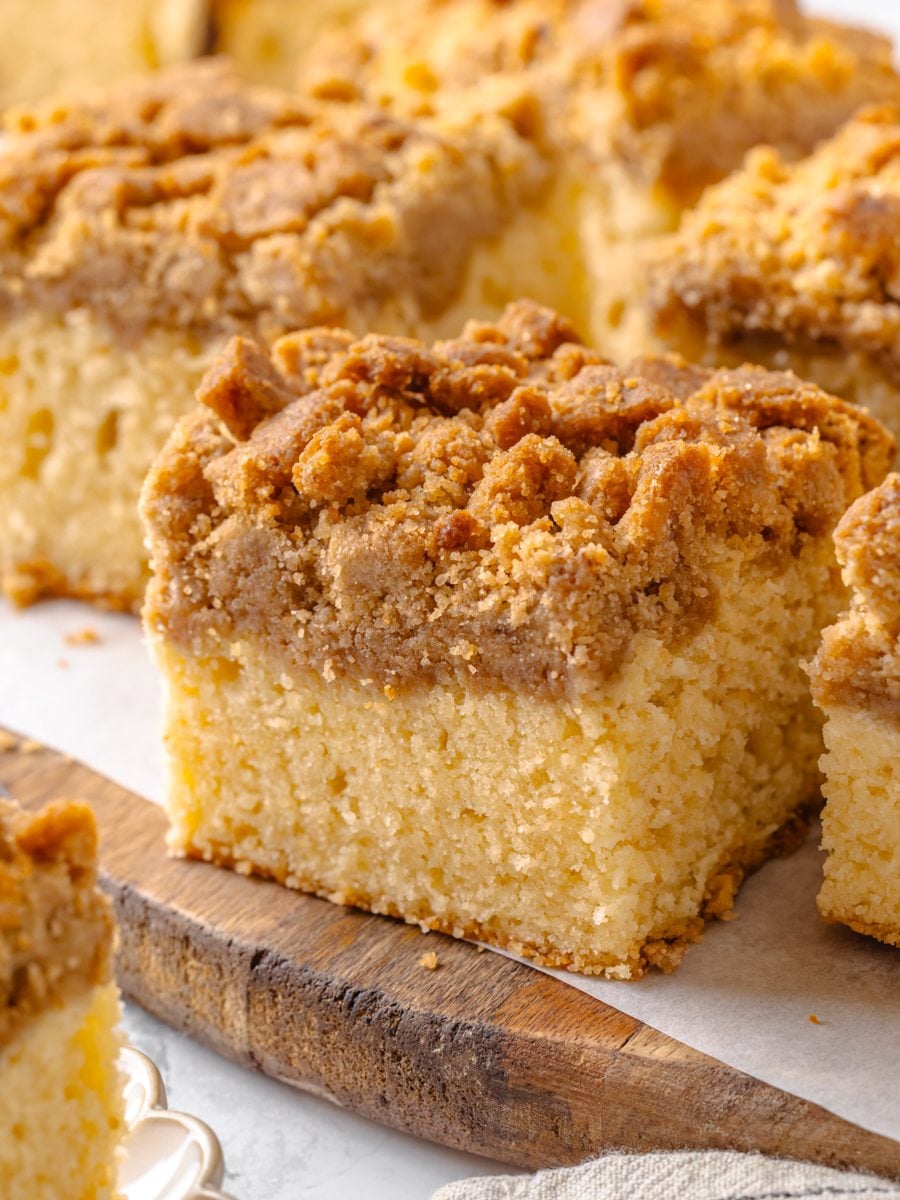
The crumb-to-cake ratio in this recipe is intentional, and the most common way bakers undermine it is by pressing the crumb topping down too aggressively before baking. A light press to anchor the crumb is all you need: the batter will puff up around the base of the crumbs as it bakes, locking them in place and creating that soft, chewy layer where topping meets cake. If you pack the crumb down flat, you lose the chunk variation and end up with a dense, compressed layer that lacks the same textural contrast.
Recipe FAQs
The clock is only a starting point with crumb cake. Look for a center that is visibly puffed, a golden-brown top across the entire surface, and a tester that comes out with just a few clinging crumbs rather than wet batter. Ceramic bakeware runs significantly slower than metal, so do not be surprised if your cake needs closer to 60 minutes.
This usually happens when the crumb topping is added to the batter while the melted butter is still warm. Letting the mixture rest at room temperature after mixing allows the butter to firm back up, which creates distinct large chunks and finer crumbles rather than a uniform, melted-together layer.
Overmixing after the flour is added develops gluten and toughens the crumb. This is especially noticeable in a recipe like this one, where the dense topping adds additional weight the cake has to support. Stop mixing the moment the flour disappears, and the batter looks smooth and cohesive.
Recommended Brunch Recipe
Easy Breakfast Recipes
Sweet Crepe Recipe
Cake Recipes
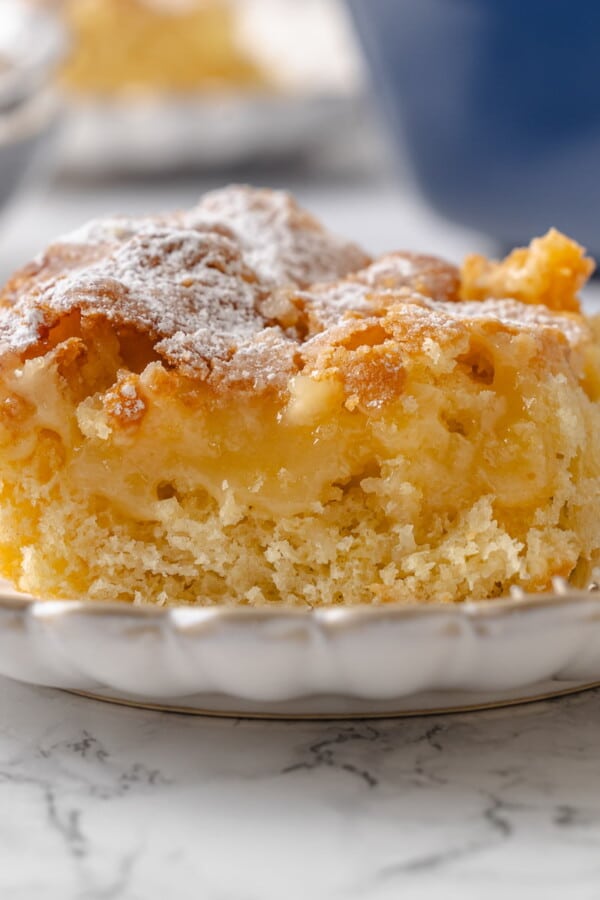
Gooey Butter Cake
Breakfast Pastry Recipes
Cinnamon Roll Recipe with Cream Cheese Icing
Yeasted Bread Recipes
Raisin Bread Recipe
If you tried this recipe and loved it please leave a 🌟 star rating and let me know how it goes in the comments below. I love hearing from you; your comments make my day!
Crumb Cake Recipe
Ingredients
For the Cake
- ½ cup unsalted butter room temperature
- ½ cup granulated sugar
- ⅓ cup light brown sugar
- 1 large egg room temperature
- 1 teaspoon vanilla extract
- ⅔ cup sour cream
- 1 teaspoon kosher salt
- 1½ teaspoons baking powder
- 1¾ cups all-purpose flour
For the Crumb Topping
- ¾ cup unsalted butter melted
- 1½ cups light brown sugar
- 1 tablespoon ground cinnamon
- 2¼ cups all-purpose flour
- 1½ teaspoons kosher salt
Instructions
- Preheat the oven to 325°F convection or 350°F conventional. Spray a 9×9 inch baking pan and line the bottom with parchment paper.
Make the Crumb Topping:
- Combine melted butter, brown sugar, cinnamon, flour, and salt in a bowl and mix until combined. Press the mixture into the bottom of a parchment-lined baking sheet or dish and set aside at room temperature to allow the butter to firm up.
Make the Batter
- Whisk together the flour, baking powder, and salt in a bowl and set aside.
- In the bowl of a stand mixer fitted with the paddle attachment, cream the butter, granulated sugar, and brown sugar together until light and fluffy.
- Beat in the egg until emulsified. In a separate bowl, whisk together the sour cream and vanilla. With the mixer on low, alternately add the dry and wet ingredients, starting and ending with the flour mixture. Finish mixing by hand just until incorporated.
Assemble and Bake
- Spread the batter into the prepared pan. Crumble the topping evenly over the entire surface with a light touch, pressing only gently to anchor it.
- Bake for 42 to 63 minutes depending on bakeware material and oven type, until the center has puffed, the top is golden brown, and a skewer comes out with just clinging crumbs. Cool completely on a wire rack before slicing.
Notes
Crumb topping: Let the mixed crumb topping rest at room temperature before using it. As the butter firms back up, it creates distinct large chunks and finer crumbles rather than a uniform, compressed layer.
Mixing: Stop mixing the batter the moment the flour disappears. Finishing by hand gives you better control and prevents gluten development that would tighten the crumb beneath the heavy topping.
Storage: Store covered at room temperature for up to 3 days. Wrap individual slices tightly and freeze for up to 2 months.
Nutrition
Before You Go
If this crumb cake becomes a weekend staple, I would not be surprised. Browse more ideas in Cake Recipes or make these sourdough cinnamon rolls next!








I was so excited for all that crumb topping, I was choosing to trust you and man it was absolutely perfect! Perfect cake for a streusel lover! I followed the tip about pressing the crumb gently into the batter before baking, and every piece came out clean with a full layer of crunchy topping right to the edge. This is the crumb-to-cake ratio I have been looking for.
The crumb-to-cake ratio in this recipe is generous by design and we are so glad it finally delivered exactly what you were looking for. Welcome to the streusel lover’s club! ~CLF team