
This post may contain affiliate links. Please read our disclosure policy.
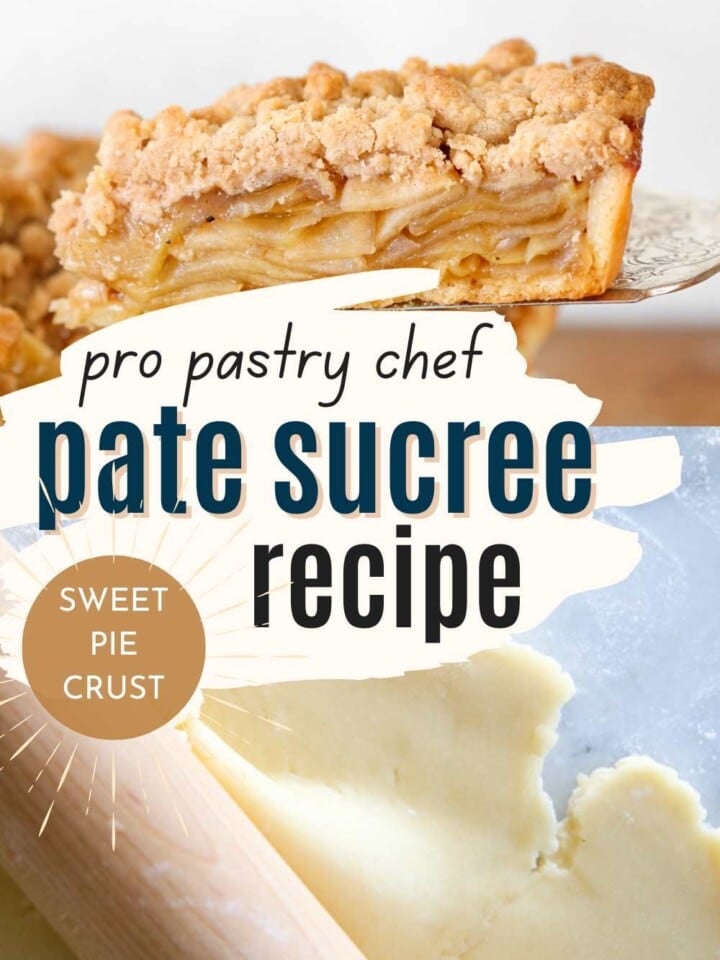
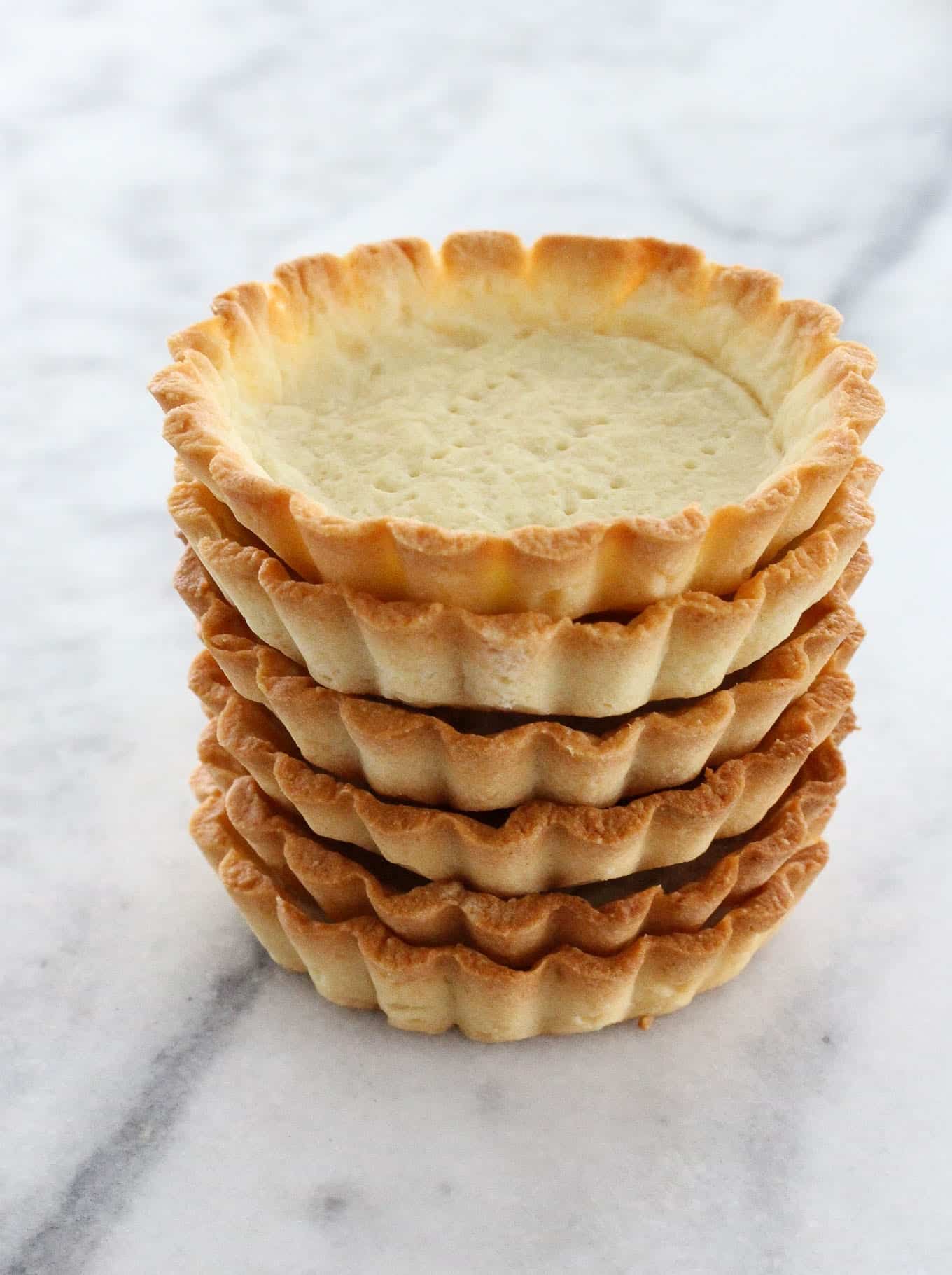
Pâte sucrée is the tart shell I reach for when I need a crust with real structure and a short, buttery crumb that holds up to any filling. The perfect base for sweet tarts, pies, mini tartlets or individual pastries!
A Quick Look At The Recipe
This is a brief summary of the recipe. Jump to the recipe to get the full details.
Jump to RecipePrep Time
20 minutes
Total Time
20 minutes
Servings
24 people
Difficulty
Intermediate
Calories *
118 kcal per serving
Technique
Cream butter and powdered sugar, incorporate eggs gradually, cut in flour, then chill before rolling.
Flavor Profile
Buttery, lightly sweet, cookie-crisp pastry shell.
* Based on nutrition panel
I made this for a lemon curd tart and the texture was exactly what I always hoped for from a tart shell. It held a clean edge when sliced and had that short, almost sandy crumb I could never achieve before. The step-by-step on incorporating the eggs kept me from panicking when the mixture looked broken. ⭐⭐⭐⭐⭐
Rachel
Why This Recipe Works
- Creaming method creates a tender, cookie-like crust. Unlike traditional all butter pie crust, pâte sucrée uses softened butter creamed with sugar, which coats the flour proteins before moisture is added and minimizes gluten development. The result is a press-in-short texture that holds a clean edge.
- The dough can be pressed or rolled, depending on your application. For tart shells, pressing directly into the pan is faster and produces an even thickness. Rolling gives you more flexibility for decorative edges and standard pie pans.
- Resting the dough is non-negotiable. Chilling fully relaxes the gluten and firms the butter, which prevents the shell from shrinking dramatically during blind baking. A properly rested dough holds its shape and won’t shrink.
Table of Contents
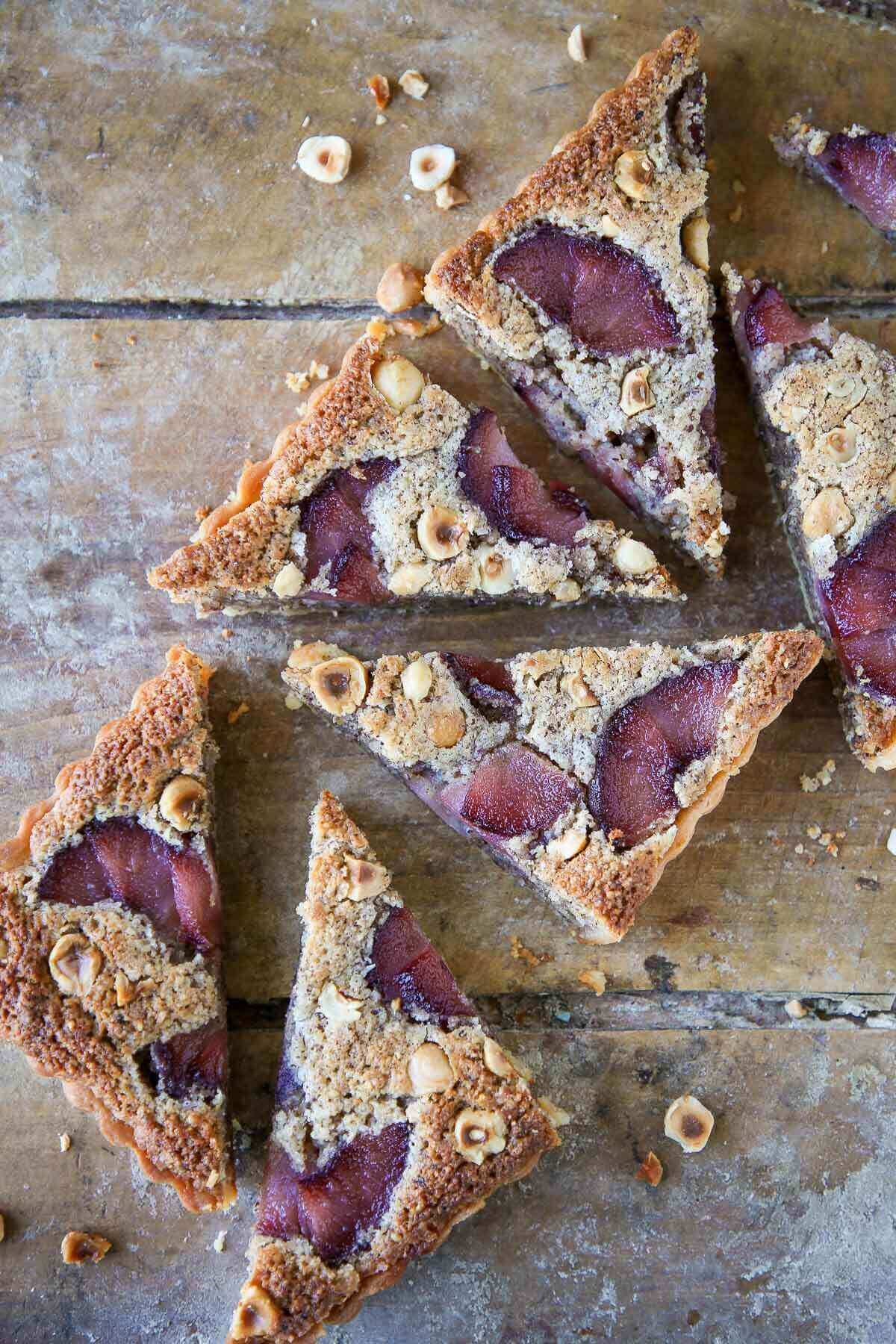
Pâte Sucrée is one of those essential pastry recipes that can even be used as a cookie in a pinch! Try it as a pie crust for a banana cream pie, or fill it with hazelnut cream and fruit to make a cherry almond tart or a hazelnut pear tart.
Pâte sucrée is French for “sweet pastry,” and can be used in the same way you would use a pâte sablée or vodka pie crust. This is a pure pate sucree recipe, so it contains no almond flour. If you want that additional texture and flavor, try my almond tart dough or almond flour pie crust instead!
Ingredients & Substitutions
- Powdered Sugar: Finely ground sugar dissolves completely into the butter during creaming, keeping the dough smooth and preventing graininess in the baked shell. Do not substitute granulated sugar; the crust’s texture depends on it.
- Unsalted Butter
- Large Eggs: Whole eggs add richness and help bind the dough without introducing excess water. Use them at room temperature so they incorporate evenly into the creamed butter without breaking the emulsion.
- Pastry Flour: Its lower protein content than all-purpose flour results in less gluten development and a more tender, fine-crumbed shell. All-purpose flour works and is the more common pantry option; just handle the dough as little as possible to keep the texture from becoming tough.
- Kosher Salt
See the recipe card for full information on ingredients and quantities.
Variations on This Pate Sucree
- Citrus Zest. Work lemon, orange, or lime zest directly into the butter before creaming: the fat pulls the oils from the zest and distributes the flavor evenly through the dough. This pairs particularly well with fruit tarts and cream-filled shells.
- Spiced Dough. Stir cinnamon, cardamom, or homemade apple pie spice into the flour before adding it to the mixer. Start with half a teaspoon and adjust from there.
- Extract Variations. A small amount of vanilla, almond, or citrus extract added with the eggs shifts the flavor profile without altering the texture. Almond extract is my favorite here, especially when using my almond flour pie crust with a frangipane layer.
Professional Tips
- Use room temperature butter & eggs. It is easier to cream in the powdered sugar and also to incorporate the dry ingredients if the butter is softened. Room temperature eggs will incorporate more easily into the dough. Cold eggs will harden the butter and make it almost impossible to emulsify.
- Sift the powdered sugar. I know, I know. The creaming method will not break up all the lumps in the sugar, so sifting is best practice.
- Mix just until a cohesive dough forms. Stay close to the mixer while the dry ingredients are incorporating. It will seem hopeless until suddenly a dough forms! Stop mixing, or gluten will develop, and you’ll get tough crusts.
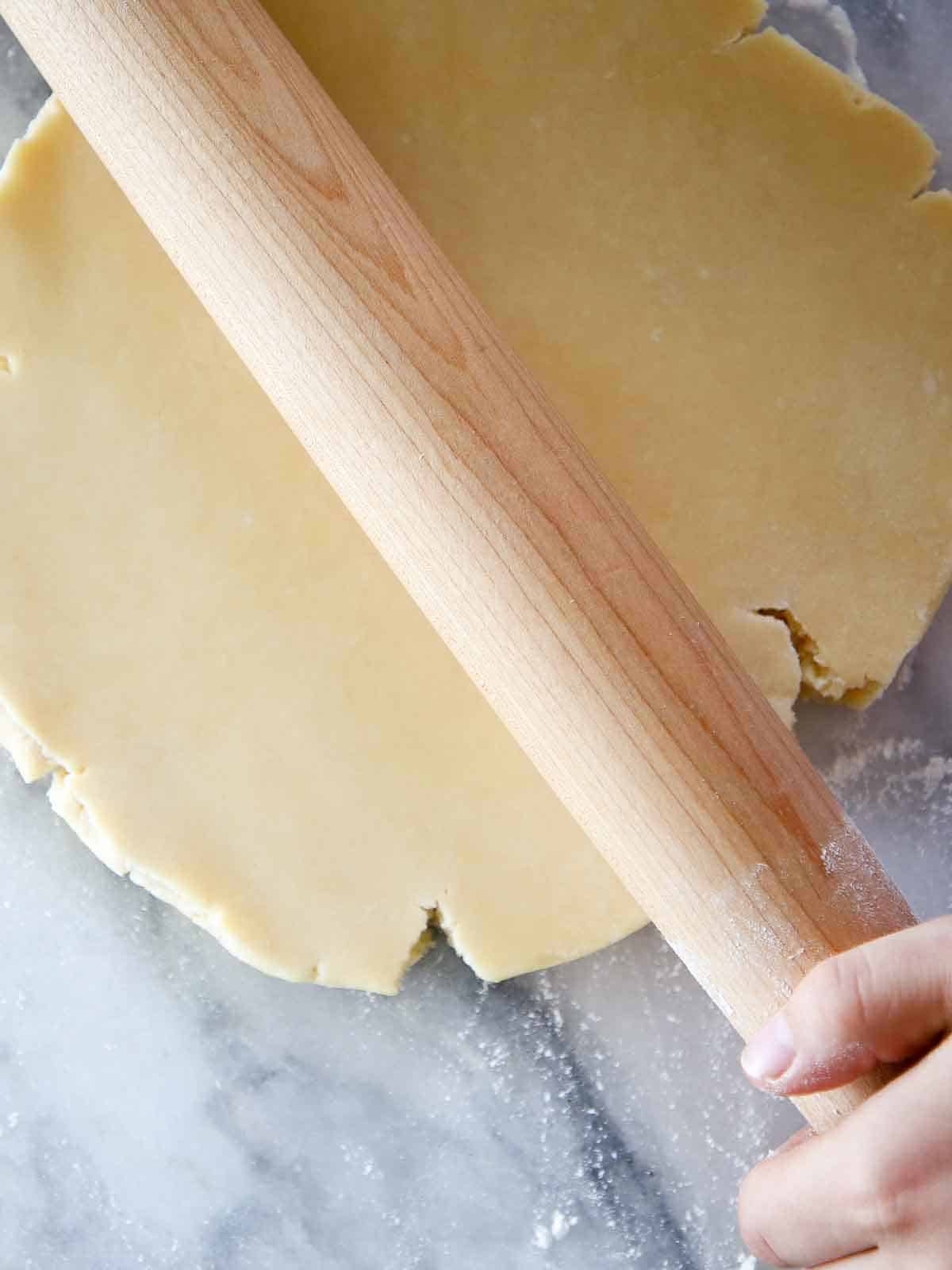
- Roll between two pieces of parchment paper while the dough is at room temperature. This will keep the dough from cracking and still produce a tender crust, as long as it is thoroughly chilled after rolling. I walk you through all of this in session 3 in Kitchen Confidence Live!
- Know when to dock and when not to. Whether you need to pierce the dough before blind baking depends on the filling and the pan. My guide on when to dock a pie crust walks through exactly when each approach makes sense so you do not end up with a shell that bubbles up in the wrong places.
How to Make Pâte Sucrée
Use these instructions to make tender, professional pate sucree! Further details and measurements can be found in the recipe card below.
Step 1: Soften the butter. Let your butter sit at room temperature for about an hour until it is genuinely pliable, not greasy or melted. When you press it, your finger should sink in without resistance.
You can also soften your butter in the stand mixer fitted with a paddle attachment, then use a kitchen torch.
Step 2: Cream the butter and powdered sugar. Sift the powdered sugar first, then add it to the stand mixer bowl with the softened butter and the paddle attachment. Start on low speed so the powdered sugar does not cloud your kitchen, then work up to medium-high. You are looking for a mixture that is pale, silky, and completely uniform, with no visible sugar granules.
Step 3: Add the eggs one at a time. With the mixer running on medium, add the eggs one at a time, letting each incorporate before adding the next. It will look broken and a little alarming in the bowl at first, which is completely normal.
The eggs are emulsifying into the fat slowly, and rushing this step by dumping both in at once makes that harder. If your eggs are room temperature, they will come together more willingly. Lightly pre-beating the eggs before adding them can also help this step go faster.
Step 4: Add the flour and salt. Add the flour and salt to the bowl and start the mixer on low speed. You are essentially cutting the dry ingredients into the butter mixture as you would with a pastry blender, just using a paddle. Keep the speed low and be patient. The dough will look shaggy and rough at first, then come together into a cohesive mass. Stop the mixer as soon as no dry streaks remain. Overworking pâte sucrée at this stage develops gluten, which makes the baked crust tough and prone to shrinking.
Step 5: Divide, wrap, and chill the dough. Use a silicone spatula or bowl scraper to pull the dough out of the mixer. Divide it into two equal portions, flatten each into a disk, wrap tightly in plastic wrap, and refrigerate for at least two hours. The chill firms the butter back up and lets the gluten relax, both of which make the dough significantly easier to roll without tearing.
If you need to work ahead, this is the ideal freezing point. Wrap the disks tightly and freeze for up to two months. Thaw overnight in the refrigerator before rolling.
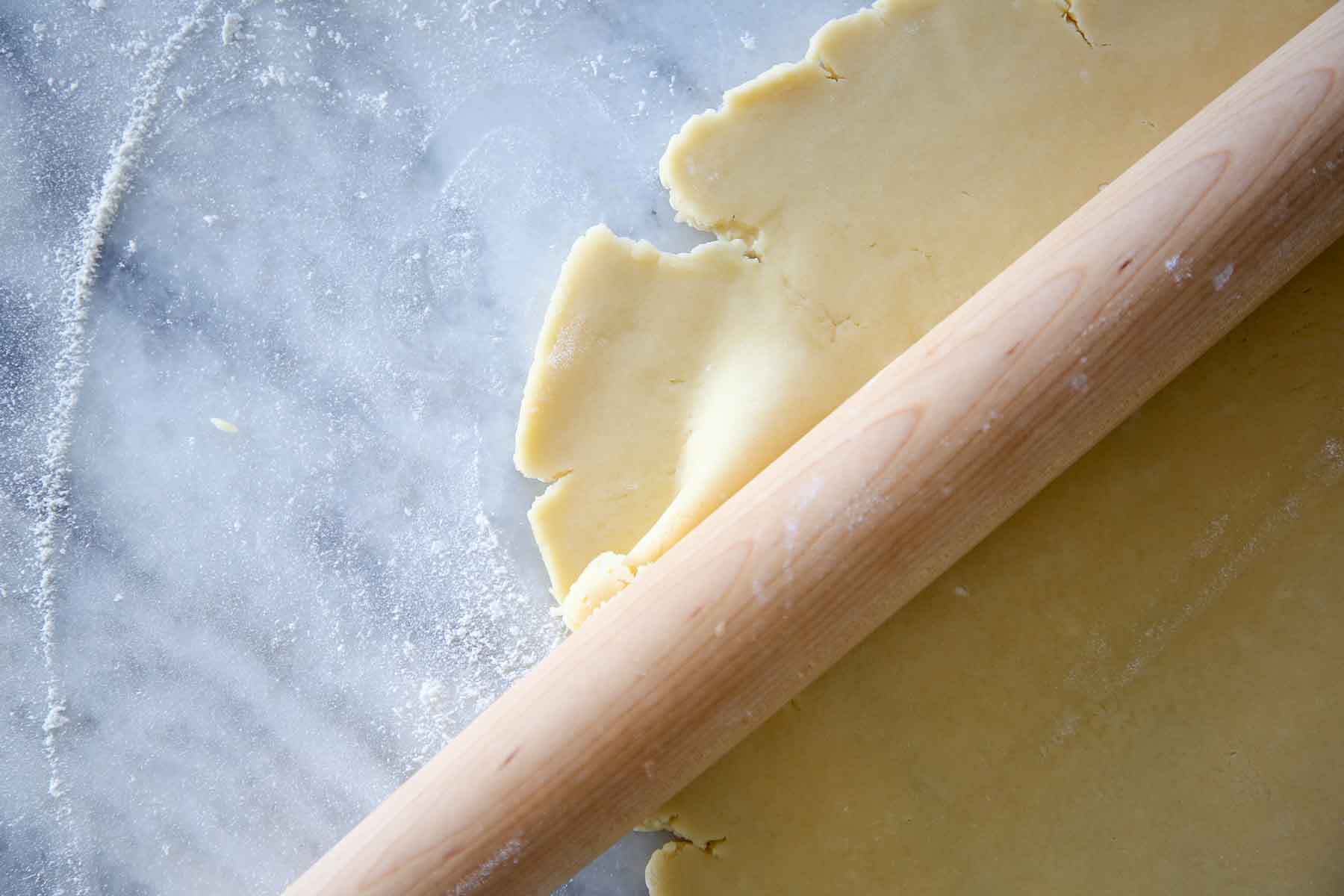
Step 6: Roll the dough. Roll the dough while it is still at room temperature, which means right when it comes out of the refrigerator, before it warms up further. Place a disk between two sheets of parchment paper and roll from the center outward, rotating the dough a quarter turn every few passes to keep it even. This method works especially well for tartlets, where you need consistent thickness in smaller pieces.
How to Blind Bake Sweet Tart Crust
The process is generally the same one that I demonstrated with pie dough in my tutorial on how to blind bake pie crust, but this sweet tart dough is easier to work with, less likely to shrink, and bakes faster than butter pastry!
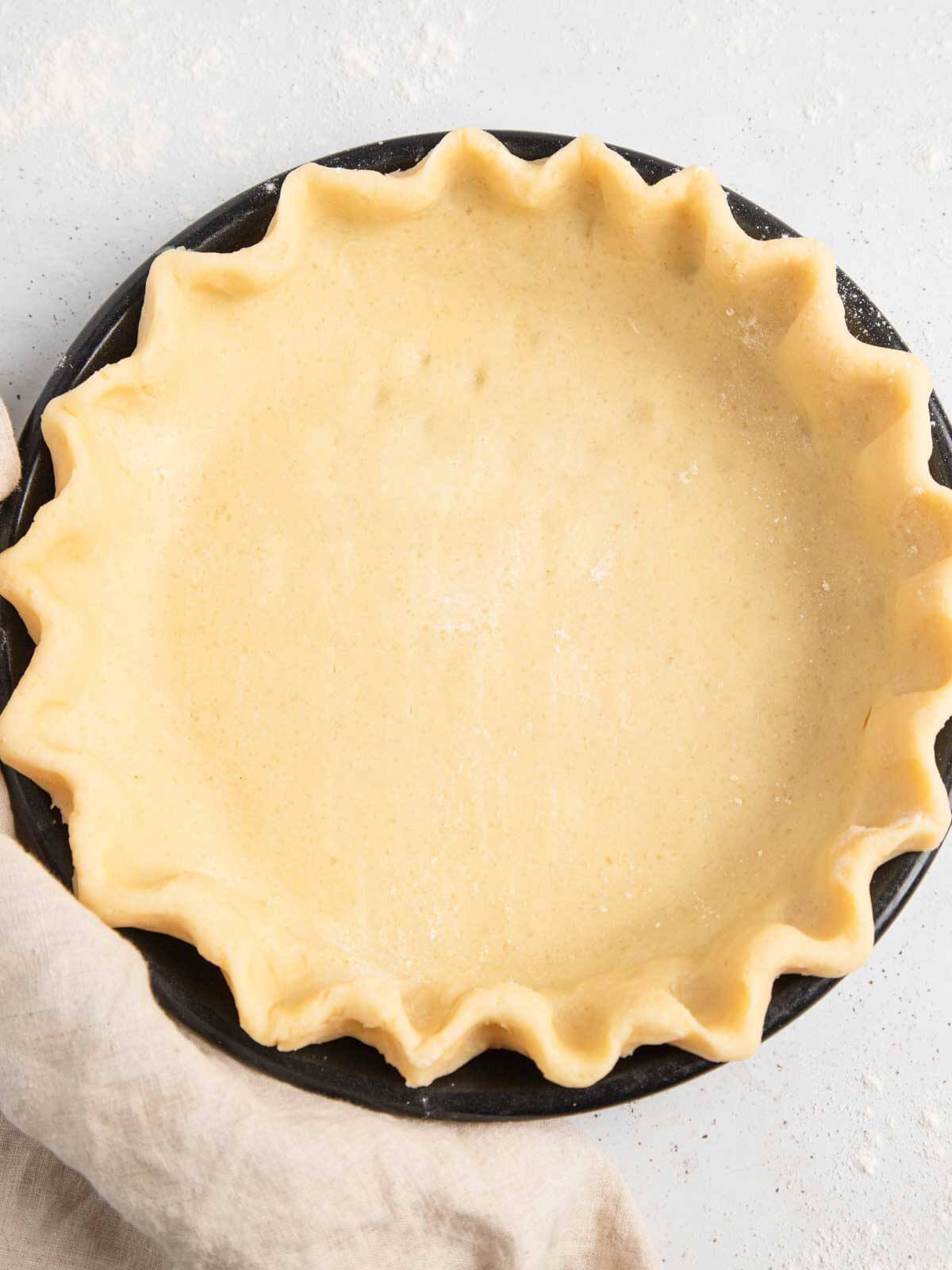
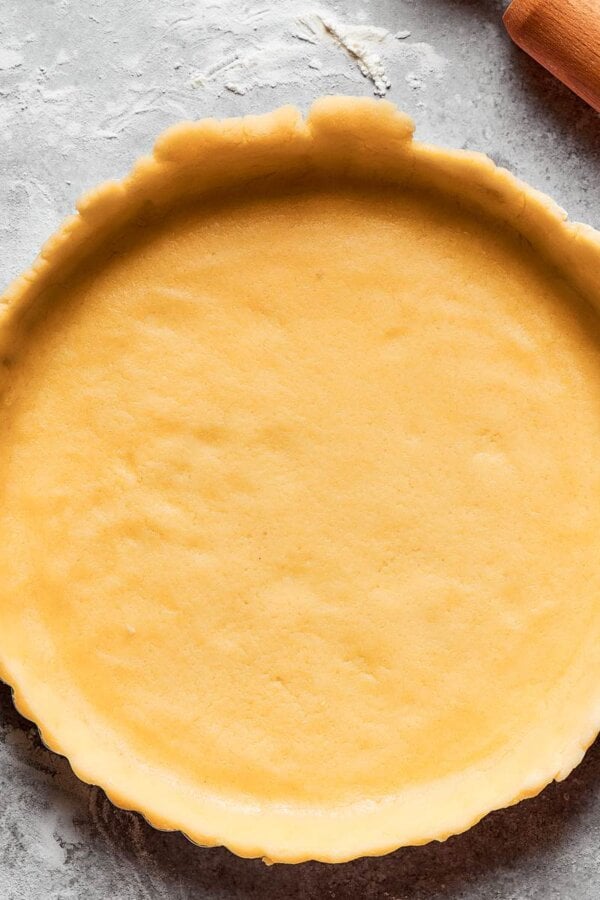
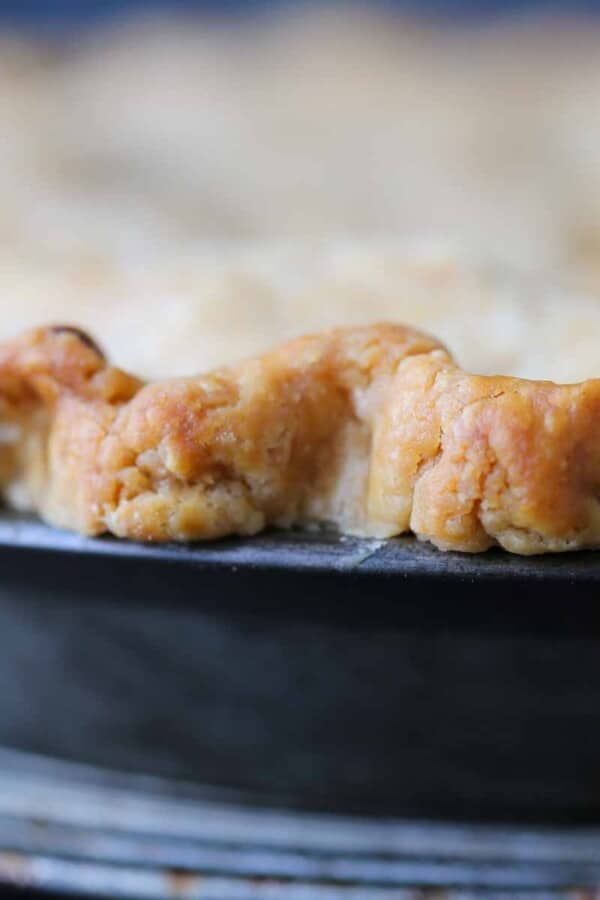
Step 7: Line your pan and trim the edges. Once the dough is rolled to about ⅛ inch thick, drape it over your tart pan or pie dish by rolling it loosely onto the rolling pin and unrolling it over the pan. Ease it gently into the corners without stretching. Stretching the dough to fit is the most common mistake at this stage, and stretched dough will shrink back during baking regardless of how long you chilled it. Trim any overhang flush with the rim of the pan using a sharp knife or by rolling the pin across the top edge. (photo 1)
If the dough cracks as you transfer it, press it back together with your fingers. Pâte sucrée is forgiving to patch because there are no flaky layers to disturb. A warm fingertip seals cracks cleanly.
Step 8: Chill the lined shell before baking. Once the dough is in the pan, refrigerate it for at least 30 minutes before blind baking. This is non-negotiable for me. The butter needs to firm up again after all the handling, and a cold shell holds its shape in the oven far better than one that goes in warm. If you are working with tartlet molds, you can line them all and chill the whole batch at once on a sheet pan.
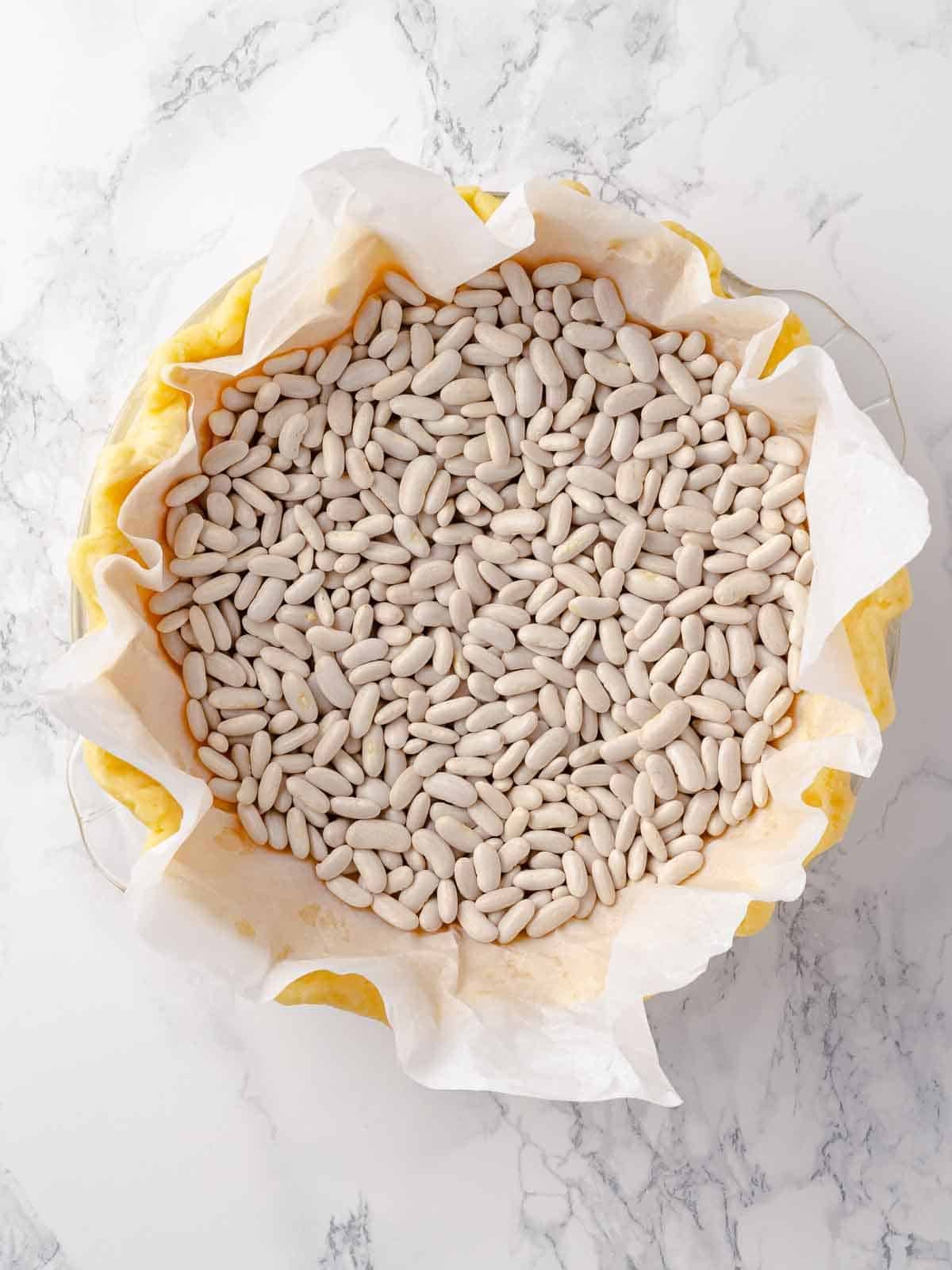
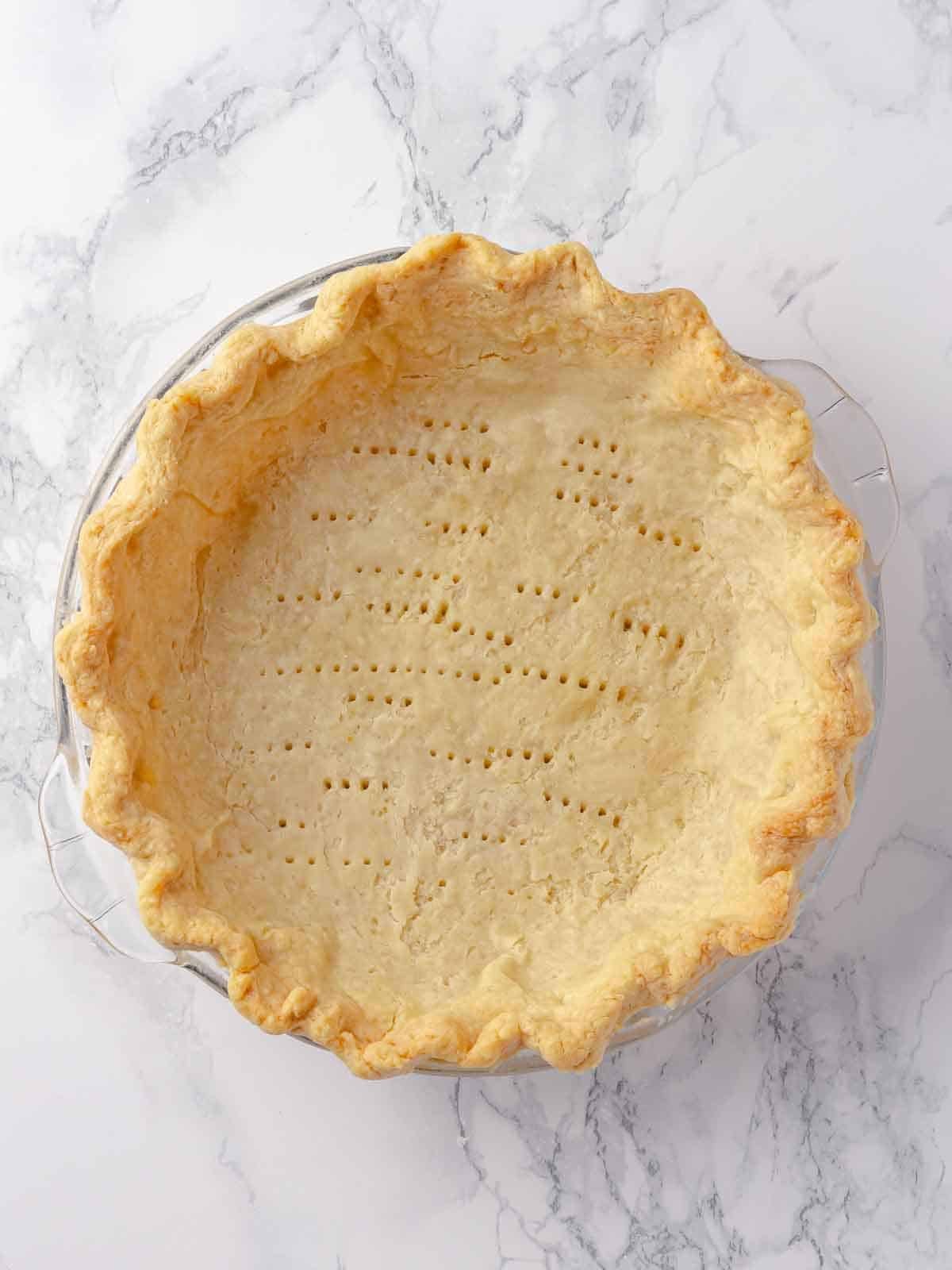
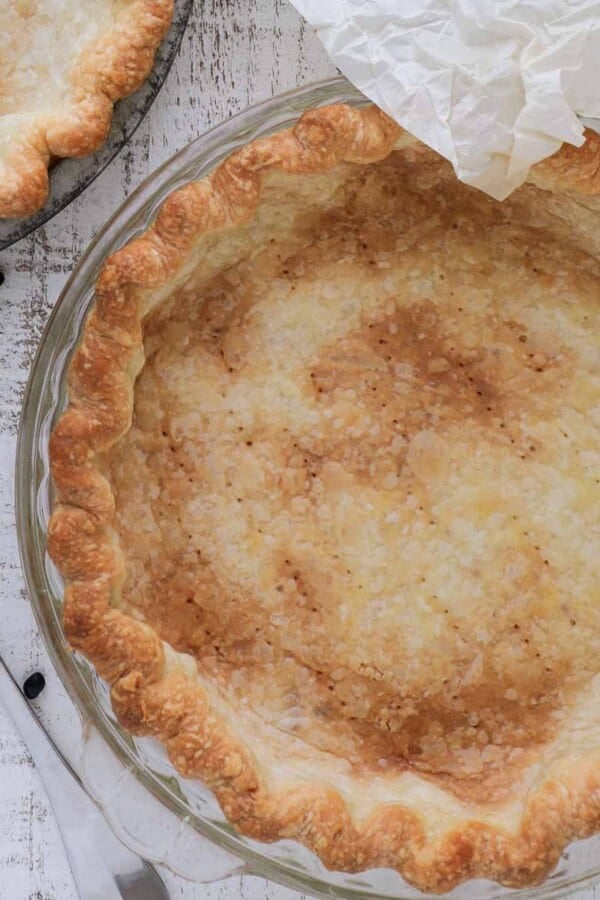
Step 9: Blind bake or fill and bake as directed. For most tart applications, dock the bottom of the chilled shell with a fork, line it with parchment, fill it with pie weights or dried beans, and bake at 350°F convection or 375°F conventional until the edges are set and lightly golden, about 15 to 20 minutes. Remove the weights and parchment and return the shell to the oven for another 5 to 10 minutes until the bottom is dry and pale gold. For recipes that call for a filled-and-baked shell, follow the temperature and timing in that specific recipe. The crust is ready to fill when it has cooled completely, and the bottom feels dry to the touch. (photo 2 &3)
Chef Lindsey’s Recipe Tip
The dough is super forgiving. If you are lining a tart pan and you miss a spot, misjudge the size of the circle you need, or it cracks, don’t stress. Just press another piece of dough over the crack or into the gaps.
Recipe FAQs
Yes, but the butter must be very soft. Cream it with the powdered sugar by hand using a wooden spoon or flexible spatula until the mixture is completely smooth and pale before adding the eggs. The process takes a few extra minutes, but the dough will come together the same way.
Unbaked dough, whether in a disk or already rolled and fitted into a pan, keeps in the refrigerator for up to 3 days or in the freezer for up to 2 months, wrapped tightly in plastic wrap. Use those same timelines for lined, unbaked shells held in the pan.
Yes, and this is one of the most useful things about this dough. Roll the portions between parchment, stack them flat on a sheet pan, and freeze until solid, then transfer to a freezer bag. They keep for up to 2 months and can go directly from the freezer into a tart pan with just a minute or two of rest at room temperature.
Recipes to use with Pâte Sucrée
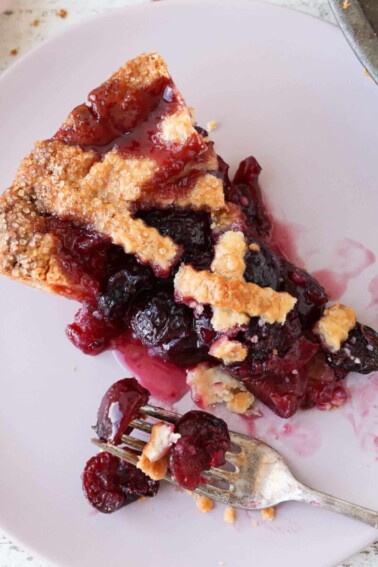
Pies and Tart Recipes
Cherry Pie
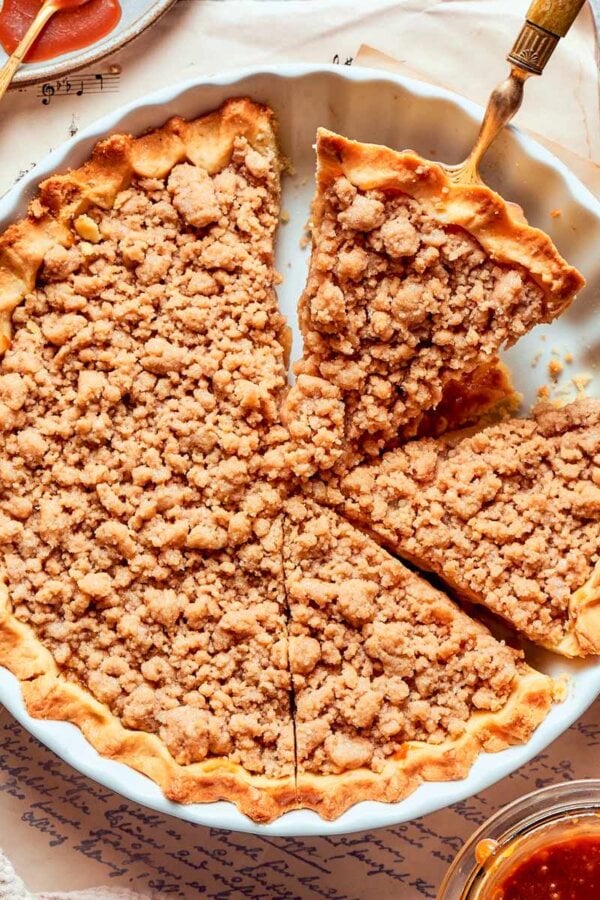
Pies and Tart Recipes
Caramel Apple Tart
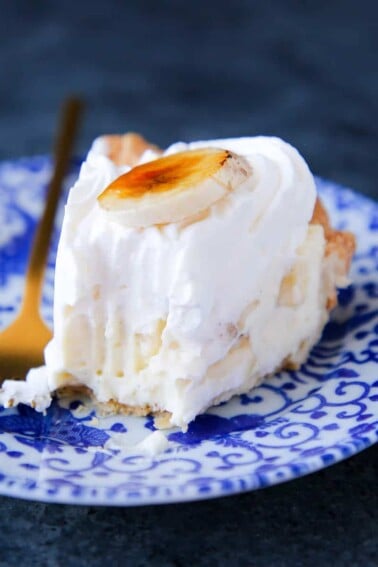
Pies and Tart Recipes
Banana Cream Pie
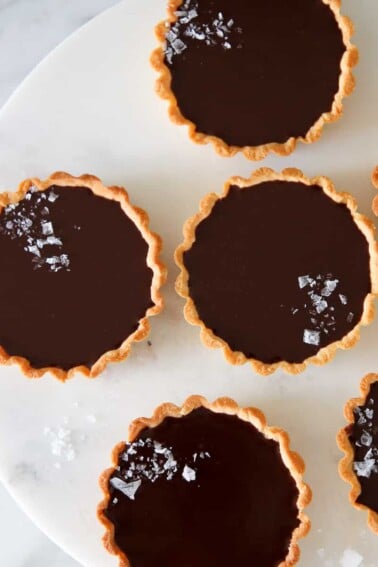
Date Night
Chocolate Tarts
If you tried this recipe and loved it please leave a 🌟 star rating and let me know how it goes in the comments below. I love hearing from you; your comments make my day!
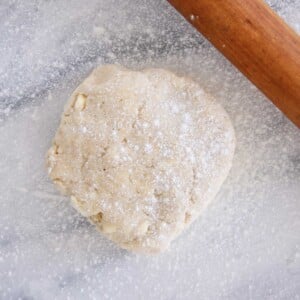
Pâte Sucrée
Ingredients
- ¾ cup powdered sugar — sifted
- ¾ cup unsalted butter — softened
- 2 large eggs — room temperature
- 2 ¾ cups pastry flour — or all-purpose flour
- ½ teaspoon kosher salt
Instructions
- Soften the butter in a stand mixer fitted with the paddle attachment, or let it sit at room temperature for one hour until fully softened but not greasy.
- Add the sifted powdered sugar to the butter and cream together, starting on low speed and increasing to medium-high, until the mixture is completely smooth and silky.
- Add the eggs one at a time, allowing each egg to incorporate before adding the next. The mixture may look curdled briefly, but it will come together as mixing continues.
- Add the flour and salt to the bowl and mix on low speed, cutting the dry ingredients into the butter mixture until a cohesive dough forms. Do not overmix once the flour is incorporated.
- Turn the dough out using a silicone spatula or bowl scraper. Divide into two equal portions, wrap each tightly in plastic wrap, and refrigerate for at least 2 hours.
- Roll the dough between two pieces of parchment paper while still slightly pliable. Use immediately to line tart pans or freeze the rolled rounds flat for later use.
Video
Notes
How to use it! Make a lemon meringue pie or strawberry galette!(coming soon!)
Storage: Store unbaked dough, whether in a disk or already rolled and fitted into a pan, in the refrigerator for up to 3 days or in the freezer for up to 2 months, wrapped tightly in plastic wrap. These timelines apply to lined, unbaked shells held in the pan as well.
Make Ahead: Divide and roll all dough portions immediately after mixing, stack flat on a sheet pan, and freeze until solid. Transfer to a freezer bag and use within 2 months, fitting rounds into pans directly from frozen with a minute or two of rest at room temperature.
Nutrition
Before You Go
If you have never worked with a creamed butter pastry before, this one is a great place to start: the dough is forgiving, the texture is unmistakably short and tender, and it holds its shape beautifully through a full blind bake. For more recipes to fill it, browse my Dessert Recipes or make this Crisco pie crust recipe next!








I made this for a lemon curd tart and the texture was exactly what I always hoped for from a tart shell. It held a clean edge when sliced and had that short, almost sandy crumb I could never achieve before. The step-by-step on incorporating the eggs kept me from panicking when the mixture looked broken.
Rachel, this is exactly what pâte sucrée is made for — that clean edge, that short sandy crumb, and that moment of trusting the process when the eggs look broken but everything comes together beautifully. A lemon curd tart sounds absolutely perfect in it. ~CLF team
I’ve tried so many tart dough recipes over the years, and this is my new favorite! The tip to roll it between two sheets of parchment at room temperature was a total game-changer. There was no cracking, no sticking, and it baked up perfectly golden! I love that it has only 5 ingredients yet tastes so buttery and delicate, like something from a French pastry shop.
Hi. I just wanted to point out that the ads on your recipe page cover some of the text, so it’s impossible to read the whole thing. Just a thought for your tech team.
Thank you,
Lidia
Hi Lidia! Thank you so much for letting me know, I really appreciate it. That definitely shouldn’t be happening. I’ll forward this to my tech team so they can take a look asap!
How man grams of dough do you use for each tart
Hi William! This recipe yields enough dough for 2, 8-9 inch tarts or pie crusts. So just take your total and divide by 2 if you’re going for those sizes! Happy baking!